






Budějovická brána (Český Krumlov) Gate
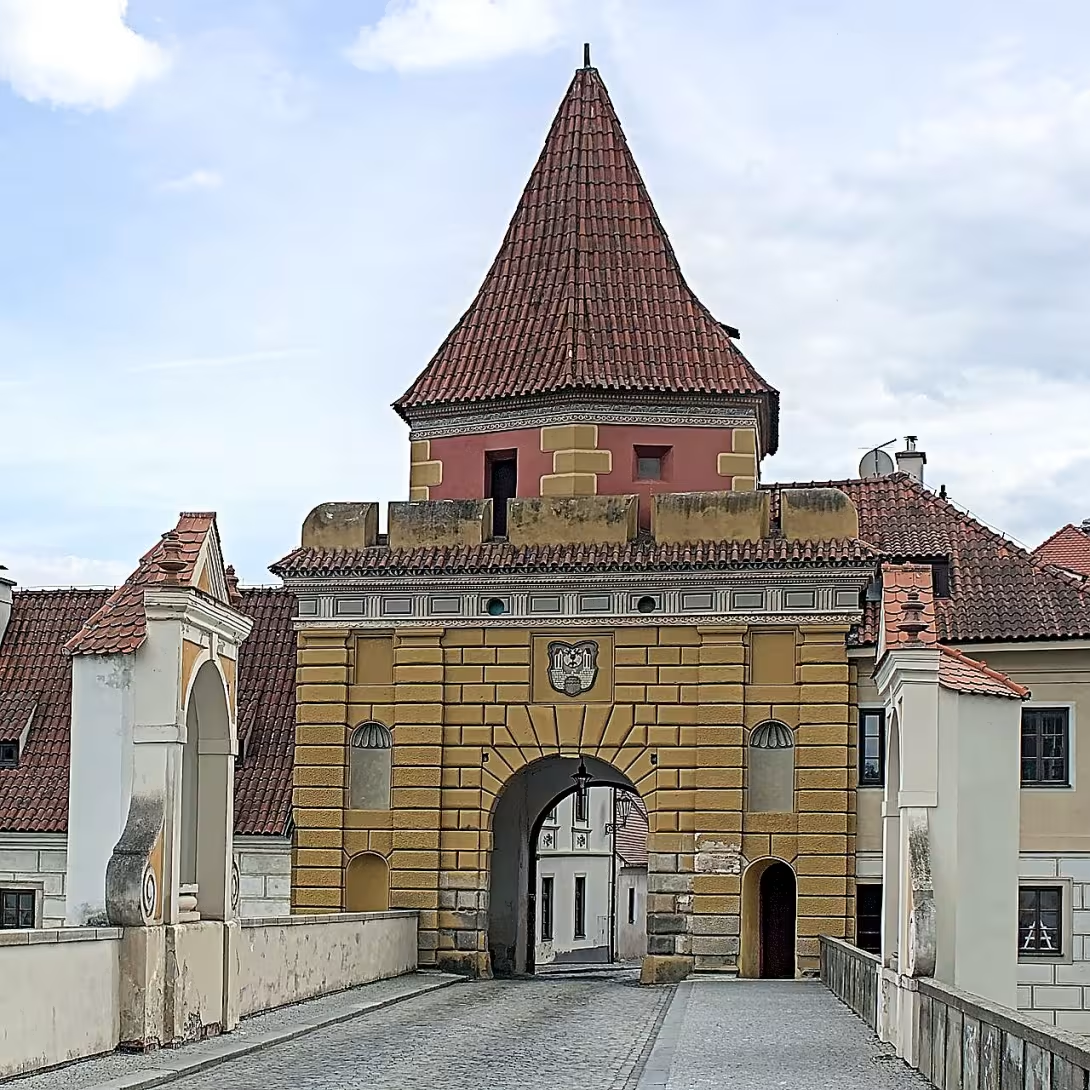
Budějovická Brána in Český Krumlov is a remarkable Renaissance-style gate. It stands as the youngest and only surviving structure from the city's original medieval fortifications. Located on a rocky island above the Polečnice stream, this architectural gem was constructed between 1598 and 1602. Since 1963, it has been designated a cultural monument and became part of the UNESCO World Heritage site in 1992, highlighting its importance within Český Krumlov's historic center.
Petr Vok z Rožmberka initiated the construction of Budějovická Brána. He commissioned Dominico Benedetto Cometta z Eckthurnu to design and build it. This project coincided with the development of a new stone bridge, replacing an older wooden structure. In exchange for its construction, Petr Vok later donated the gate to the city under the condition that it would be maintained.
Architecturally, Budějovická Brána features robust defensive elements on the northern facade and a colorful interior adorned with frescoes. Its design reflects the late Renaissance period, blending military architecture with artistic embellishments. Over time, adaptations were made for residential use, resulting in a classical interior layout. Restoration efforts have focused on preserving its baroque plasterwork and frescoes, which are culturally significant.
Ownership transitioned from Petr Vok z Rožmberka to the city itself, ensuring preservation through promised maintenance. This transfer marked a significant moment in the gate's history as it became an integral part of Český Krumlov's urban landscape.
Throughout its existence, Budějovická Brána has witnessed several key events and adaptations. In 1934, a pedestrian passage was created on the eastern side to accommodate the expansion of the adjacent bridge. This adaptation continued in the 1960s with an additional passage on the western side. Restoration efforts in 1995 focused on repairing the external façade and restoring its original color scheme. Further restoration work uncovered baroque plasterwork and frescoes, enhancing the gate's historical authenticity.
Today, Budějovická Brána stands as a testament to Český Krumlov's rich architectural heritage. Visitors can explore its intricate design and appreciate the blend of military and artistic elements that define this Renaissance structure. Its location near the former hospital of Saint Elizabeth adds cultural significance to the area, making it an essential stop for history and architecture enthusiasts.
Budějovická Brána is not only a historical monument but also a symbol of Český Krumlov's enduring legacy. Its preservation allows visitors to step back in time and experience the architectural brilliance of the Renaissance period. Whether you are an architecture enthusiast or simply curious about history, Budějovická Brána offers a unique glimpse into the past and is well worth a visit.
Then and now
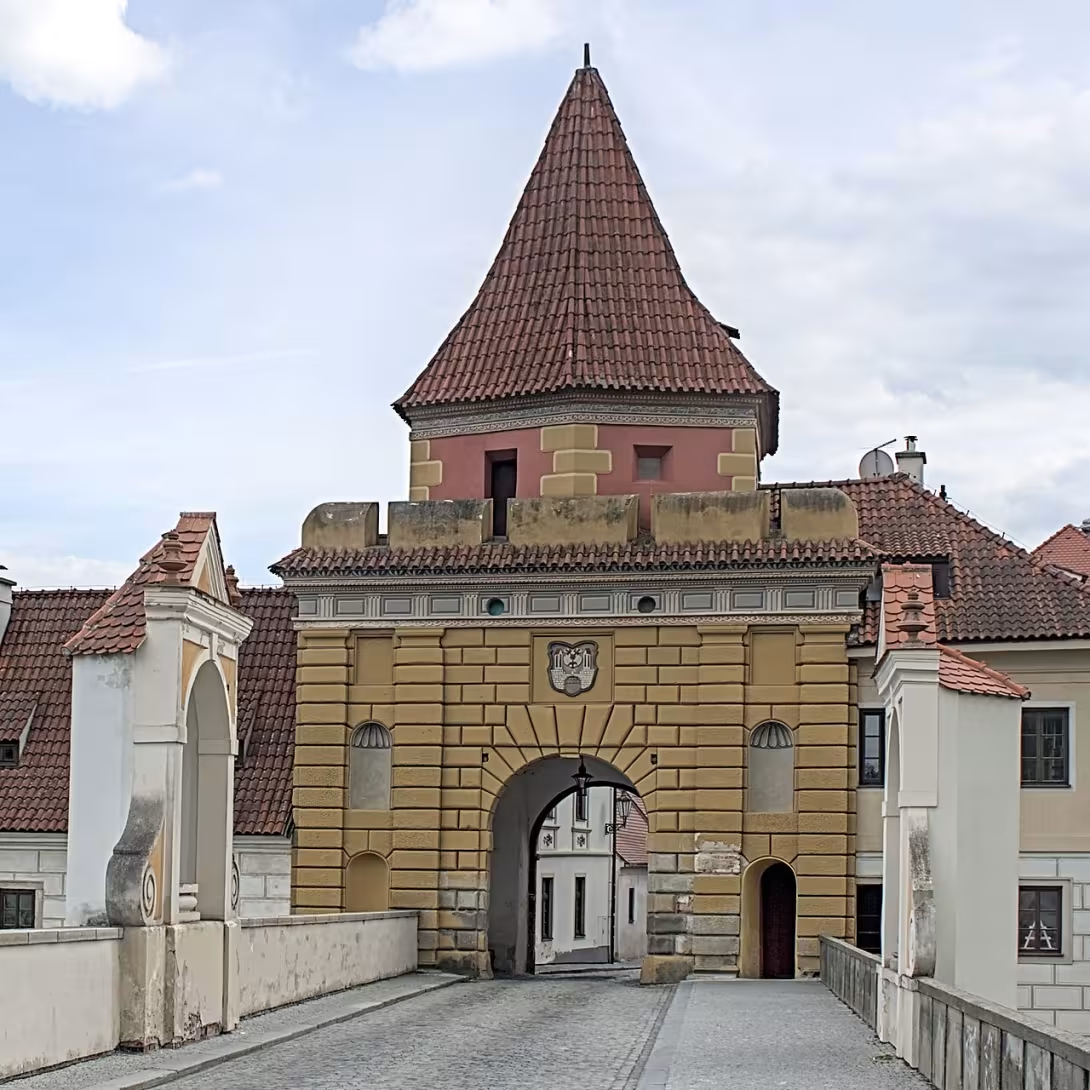
Drag the slider to compare how the landmark may have looked when it was built with the view today.
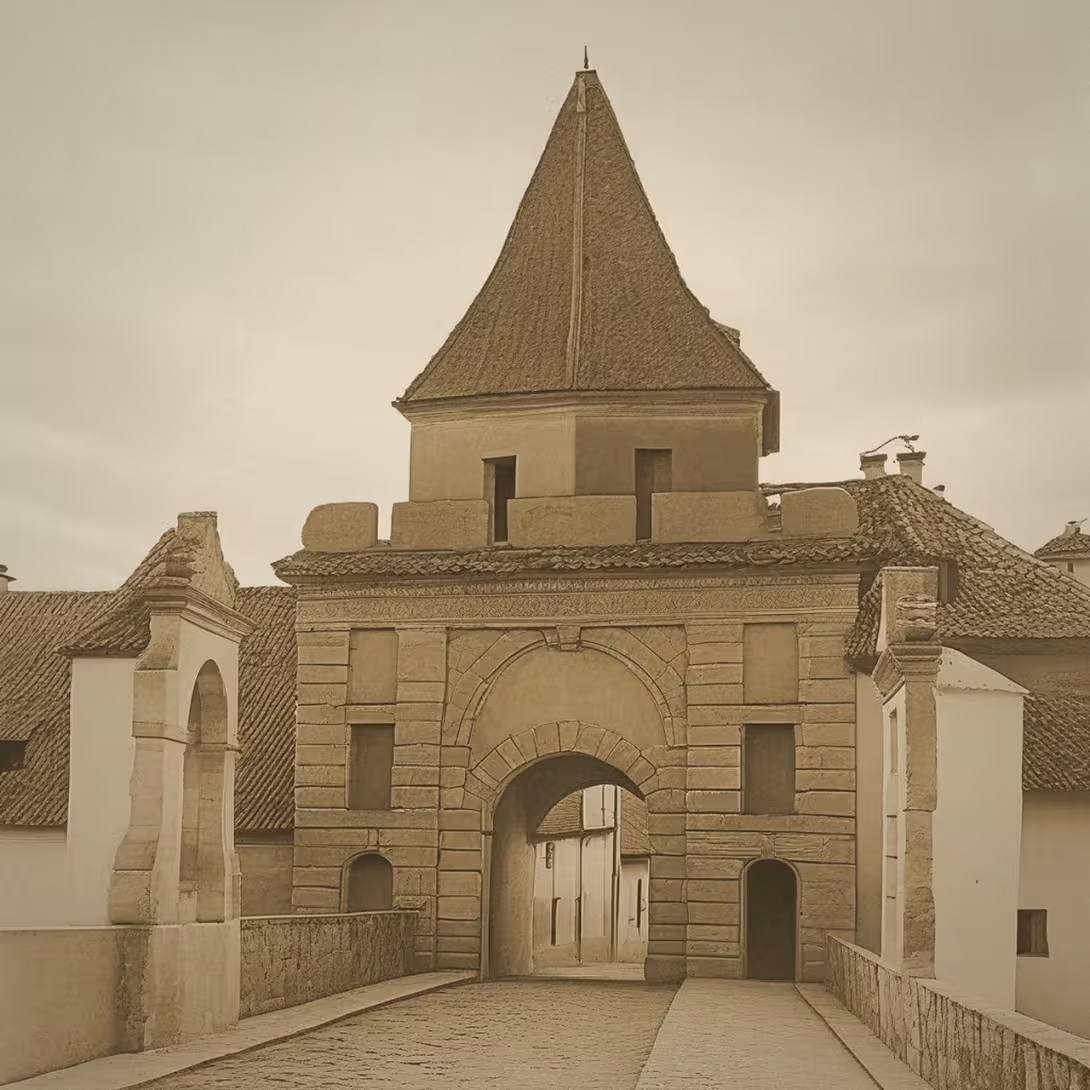
The historical appearance on the left is an AI-generated visualisation and serves as inspiration only.
Historical milestones
- 1598
- Construction of Budějovická brána began.
- 1602
- Completion of Budějovická brána.
- 1963
- Declared a cultural monument.
- 1992
- Included in UNESCO World Heritage protection.
Architectural development
The gate was built during the late Renaissance period, featuring robust defensive architecture on its northern facade and colorful frescoes inside. Over time, it underwent adaptations for residential use with a classical interior design. Restoration efforts have focused on preserving its baroque plasterwork and frescoes.
Historical events
Constructed between 1598 and 1602 as part of a new stone bridge project.
Became a cultural monument in 1963.
Included in UNESCO World Heritage protection in 1992.
Owners
Originally owned by Petr Vok z Rožmberka, who donated it to the city in exchange for maintenance promises.
Points of interest
- The construction of Budějovická Brána coincided with the replacement of an older wooden bridge by a new stone one, reflecting broader urban development efforts during that period.
- In 1934, a pedestrian passage was added to the eastern side of Budějovická Brána to accommodate the expansion of the adjacent bridge, demonstrating adaptive reuse in response to changing transportation needs.
- Restoration work in 1995 not only repaired the external façade but also restored the original color scheme, enhancing its historical authenticity and visual appeal for visitors.
- The gate's interior features baroque plasterwork and frescoes that were uncovered during restoration efforts, highlighting the blend of artistic styles over time.
- Budějovická Brána’s location near the former hospital of Saint Elizabeth adds cultural significance to the area, linking it to historical healthcare developments in Český Krumlov.
Guide
This guide is narrated by a synthetic voice generated by artificial intelligence.
Show guide text
This text was created by artificial intelligence and has not been editorially reviewed. It may contain inaccuracies.
Welcome to the enchanting Budějovická brána in Český Krumlov, a remarkable piece of history that stands proudly as the youngest and sole survivor among the original medieval fortifications of this historic town. As you stand here on Latrán, take a moment to absorb the setting: the gate perches majestically on a rocky island above the gentle flow of the Polečnice stream.
The story of Budějovická brána begins in 1598 when its construction was initiated by Dominico Benedetto Cometta z Eckthurnu. This Renaissance-style structure was commissioned by Petr Vok z Rožmberka, a prominent figure whose vision and patronage left an indelible mark on the architectural landscape of Český Krumlov. By 1602, the construction was complete, marking the beginning of its long-standing presence in this picturesque locale.
As you gaze upon the gate, notice its Renaissance features that reflect the era's emphasis on symmetry and proportion. The stone façade speaks to a time when craftsmanship and artistry were paramount, creating structures meant to endure through centuries. Although specific architectural details aren't visible from your current vantage point, imagine the intricate carvings and robust construction that have allowed this gate to withstand the test of time.
Petr Vok z Rožmberka's influence extends beyond just the commissioning of the gate. His decision to donate it to the city in exchange for maintenance underscores a legacy of civic pride and responsibility. This act not only enriched the town but also ensured that future generations would continue to enjoy this architectural gem.
An intriguing aspect of Budějovická brána's history is its connection with urban development during its time. The construction coincided with the replacement of an older wooden bridge by a new stone one, reflecting broader efforts to modernize and fortify the town. This period was marked by significant changes that shaped Český Krumlov into the cultural treasure it is today.
In 1963, Budějovická brána was declared a cultural monument, recognizing its historical significance and architectural beauty. Its inclusion in UNESCO World Heritage protection in 1992 further cemented its status as an invaluable piece of our shared heritage.
As you continue to explore this site, consider the layers of history embedded within these stones. Each era has left its mark, creating a tapestry of stories that invite us to delve deeper into the past.
Thank you for joining me on this journey through time and architecture. I encourage you to wander further around Český Krumlov, where many more wonders await your discovery. Enjoy your exploration!
Tips for visitors
The best time to visit Budějovická brána is during late spring or early autumn when the weather is pleasant, allowing for a comfortable exploration of Český Krumlov's historic center. These seasons offer vibrant foliage and mild temperatures, enhancing your experience as you walk through the charming streets near the gate. Additionally, visiting outside peak tourist season can provide a more serene atmosphere to appreciate the architectural beauty without large crowds.
The town's compact nature makes it easy to explore on foot, allowing you to enjoy the scenic views and architectural details along the way.
When visiting Budějovická brána, it is advisable to bring comfortable walking shoes as you'll likely be exploring on foot. A camera with a zoom lens can help capture the intricate details of the gate and surrounding architecture. Additionally, carrying a light jacket or sweater is wise due to variable weather conditions in Český Krumlov. Don't forget water and snacks if you plan to spend several hours in the area.
For photography enthusiasts, early morning or late afternoon offers the best natural lighting for capturing Budějovická brána. The soft light during these times can highlight the textures of the stone walls and create a warm ambiance. Position yourself on the nearby four-arch bridge to include both the gate and the flowing river in your shots. Exploring different angles around the rocky island will provide unique perspectives of this historic structure.
Nearby, within 30 minutes, you can visit the former hospital of Saint Elizabeth, which adds historical context to the area surrounding Budějovická brána. For families with children, consider exploring Český Krumlov's historic center, where interactive elements like cobblestone streets and quaint shops provide an engaging experience for young visitors. The town also offers various family-friendly cafes and restaurants where you can relax after a day of sightseeing.
Frequently asked questions
Can the monument be visited?
This is a structure in a public space that can usually be seen from outside free of charge. We have not verified that this particular one is freely accessible.
Where is the monument?
Location: Latrán, Jihočeský kraj. The map on this page shows the exact spot.
Why is the monument protected?
It is listed in the Central List of Cultural Monuments of the Czech Republic as a cultural monument (register no. 1000149818_0101).
Businesses nearby
Do you run a restaurant, accommodation, shop, museum, rental, wellness or other visitor service near this monument? Show yourself directly to the people heading to it — this is how they will see you in the app and on the web:
Events nearby
Zdroj akcí: otevřená data měst a obcí ČR (Národní katalog otevřených dat) a kalendář akcí Národního památkového ústavu.
Nearby
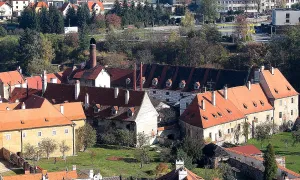
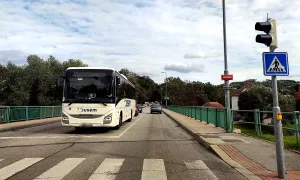
Budějovická brána is part of Český Krumlov's historic center, near the former hospital of Saint Elizabeth. The area includes a stone four-arch bridge leading into the city from the north.
Accommodation nearby
Trips and activities nearby
Guided tours, tickets and activities nearby from GetYourGuide
Affiliate link: if you buy from the partner, we may receive a commission. The price for you does not change.
Search tours and activities →Themed route
Tematická výletní trasa Budějovická brána a okolí
1. Budějovická brána
- Typ: Historická brána
- Proč stojí za návštěvu: Budějovická brána je klíčovým prvkem historického centra Českého Krumlova, sloužícím jako vstupní bod do města z severu. Je to krásný příklad gotické architektury s čtyřmi oblouky a nabízí nádherný pohled na historii a památkovost Českého Krumlova.
2. Starobylé nemocnice svaté Alžběty
- Typ: Historický objekt
- Proč stojí za návštěvu: Tato bývalá nemocnice je nedaleko Budějovické brány a představuje významnou část historie města. Její gotické prvky a důležitost pro minulost Českého Krumlova ji činí zajímavou pro návštěvníky, kteří se zajímají o historii zdravotnictví a architekturu.
3. Kamenný čtyřkolejný most
- Typ: Most
- Proč stojí za návštěvu: Tento kamenný most je nejen funkčním prvkem, ale také uměleckou památkou vedle Budějovické brány. Jeho čtyři oblouky a historická stavba přispívají k atmosféře starodávného města, nabízející pohledy na řeku Vltavu a její okolí.
4. Náměstí u Budějovské brány
- Typ: Náměstí
- Proč stojí za návštěvu: Toto místo je centrem historického jádra Českého Krumlova, kde se setkávají důležité památky a architektura. Náměstí nabízí klidnou atmosféru pro procházku a poslouchání místní hudby nebo divadelních představení, které se často konají v létě.
Tato trasa umožňuje návštěvníkům prozkoumat historický charakter Českého Krumlova a jeho klíčové památky, které jsou nedaleko Budějovické brány.
Seasonal recommendations
Spring: The Budějovická brána in Český Krumlov awakens with the vibrant colors of spring, offering a picturesque setting as nature bursts into life around this historic gateway. The soft light and gentle breezes create an enchanting atmosphere that enhances the charm of Latrán, inviting visitors to explore at a leisurely pace. During this season, mornings can be cool, so layering is advisable, and while crowds are moderate, arriving early allows for a more serene experience.
Summer: Summer brings a lively energy to Budějovická brána, with long daylight hours perfect for exploring the historical site in full detail. The lush greenery surrounding Latrán offers a cool respite from the warm weather, making it an ideal time for outdoor activities and photography. However, this is also peak tourist season, so visitors are advised to arrive early or visit during weekdays to avoid larger crowds. Comfortable walking shoes and light clothing are recommended.
Autumn: The Budějovická brána in autumn is a feast for the senses, with warm hues of reds, oranges, and yellows painting the landscape around Latrán. The cooler temperatures make it an inviting time to stroll through Český Krumlov's historic streets without the summer heat. This season offers a quieter atmosphere compared to summer, allowing visitors to appreciate the site's beauty in tranquility. Layered clothing is advisable as evenings can become chilly.
Winter: Winter transforms Budějovická brána into a magical setting under a blanket of snow, with Latrán taking on an ethereal quality against the crisp winter air. The shorter days and colder temperatures mean that visiting hours are limited, so planning ahead is crucial. While the site may be less crowded, it's essential to dress warmly in layers and wear comfortable footwear for walking on potentially icy paths. Despite the chill, the snow-covered scenery offers a unique charm worth experiencing.
Visualizations and artistic views


The visualisations are generated by artificial intelligence and serve as inspiration.
Photos from the area
Real photos taken near the monument


Zdroj a licence jsou uvedeny u každého snímku.
View from the area
This animation was generated by artificial intelligence from a real photograph of the surroundings. The motion and details are not real footage of the location.
Atmosphere of the place
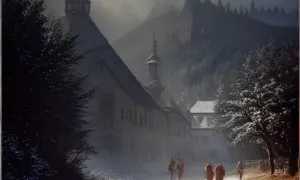
This atmospheric visualisation of the place and period was generated by artificial intelligence. It is not real footage of the location.
Tips from visitors
No tips yet. Be the first!
Log in and add your tip.
Sources and literature
Photos: Alexander Migl / CC BY-SA 4.0 — Wikimedia Commons. The author and licence also appear when you hover over the image.
Faktickým podkladem tohoto textu byl článek na Wikipedii, jehož autory jsou přispěvatelé Wikipedie. Článek je dostupný pod licencí CC BY-SA 4.0.
Location on the map

Příběhy a pověsti
Legendy, pověsti a příběhy spjaté s touto památkou
Fotografie návštěvníků
Zatím žádné fotografie. Buďte první, kdo přidá fotografii z návštěvy!
Log in a přidejte svou fotografii nebo hodnoťte.
Za ověřenou návštěvu v aplikaci získáte víc bodů — poznáme podle GPS, že jste na místě.
Reviews and comments