



Vošahlíkův mlýn Water mill
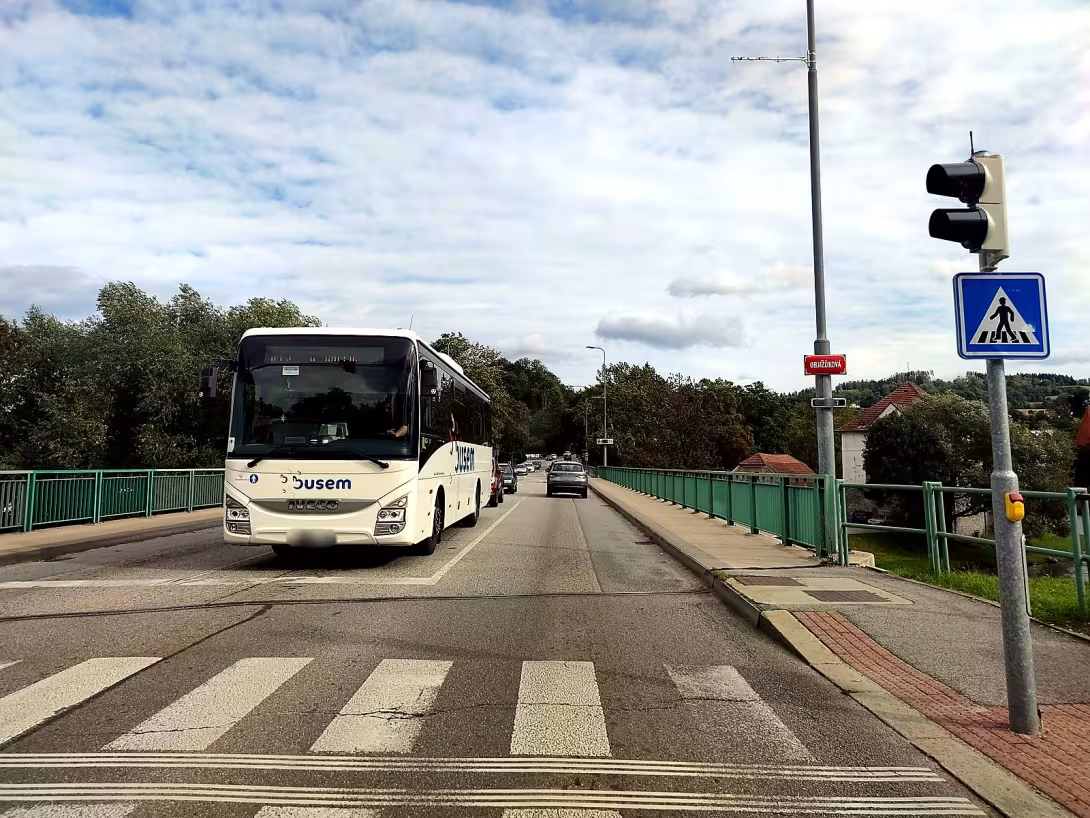
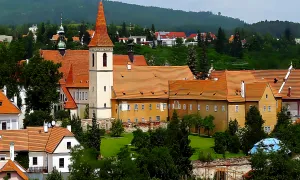
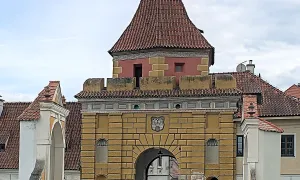
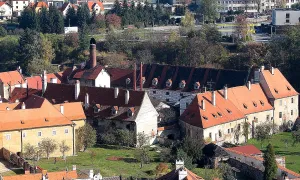
Vošahlíkův mlýn also known as On Pila or Jakesova, there is a Renaissance water mill in the local part Latrán in Český Krumlov. The building is located on the left bank of Polečnice, close to its confluence with the Vltava and Budějovice gates. This property is protected as a cultural monument of the Czech Republic.
The construction of the mill No. 149 was initiated by Anna of Roggendorf in 1555. The building was built on the site of an older Gothic building, the elements of which were preserved in the basement of house No. 148 until today. Historically, the formation of the mill ranks in the mid-16th century, when the Renaissance during the Habsburg rule culminated in the Czech countries, and Europe went through a period of religious unrest and consolidation of the power of monarchs.
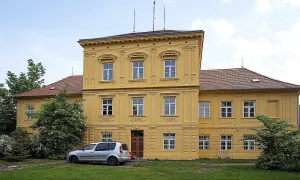
The architectural development of the construction includes several major modifications. The original Renaissance form was supplemented by a classical reconstruction in 1819 from which the decoration of the shield was preserved. Another significant change occurred in 1883, when a floor was added to the lower mill and the eastern wing of the upper mill no. 148 was created. The mill wheel water was probably driven by a drive. In 1930 the mill still had one wheel on top water with 10 HP power and a drop of 3.8 meters. A bakery used to be part of the complex in the past.
In the course of the 20th century, the complex has made significant changes. In 1939, the bottom mill was demolished. Subsequently, in 1984, the whole building was adapted to a department store, which fundamentally changed its original use. The object of the monument protection is houses no. 148 and 149, yard and wall with gate.
Today's appearance of the building, influenced by the conversion into a department store, offers the opportunity to see the history of the Krumlov mill in the location Latrán. Visiting this place allows you to perceive the transformation of the technical monument in time and its integration into the historical centre of Český Krumlov.
Historical milestones
- 1555
- Construction of the mill by Anna from Roggendofro on the site of the Gothic building.
- 1819
- Classicist rebuilding of the mill.
- 1883
- The extension of the floor on the lower mill and the formation of the east wing of the upper mill.
- 1984
- Adaptation of the entire building to the department store.
Architectural development
The original Gothic foundations were covered in 1555 by Renaissance construction. In 1819 a classical adjustment of the shield took place and in 1883 a floor was added to the lower mill. The basement of the building No. 148 has still preserved Gothic elements.
Historical events
Classicist reconstruction of the building took place in 1819. In 1939, the bottom mill was demolished. In 1984, the whole complex was adapted to a department store.
Owners
Anna z Roggendofru (1555)
Points of interest
- The mill is also known as Na Pile or Jakes. - The construction was initiated by Anna of Roggendorf in 1555 at the site of an older Gothic object. - In 1930 the mill had one wheel on top water with ten horsepower and a drop of three and eight tenths of a meter. A bakery used to be part of the compound in the past. - In 1984, the entire building went through adaptation to a department store, which fundamentally changed its original use.
Guide
Show guide text
This text was created by artificial intelligence and has not been editorially reviewed. It may contain inaccuracies.
Welcome to the historical memory of Vošalěkov Mill in Český Krumlov, specifically in part Latrán. You are standing in front of a unique building that boasts rich history and architectural peculiarities. The mill, also known under the names Na Pile or Jakesova, is located on the left bank of the Polečnice stream, where this stream is slightly attracted to Vltava.
We begin with the first impression: the mill appreciates you with its elegant construction and location. You can understand why this place is popular between visitors and locals. In front of you is a Renaissance architecture that brings about a sense of when this building was built.
Let's go into history. In 1555 the mill was built by Anna of Roggendorf on the site of an older Gothic building. This project not only represented innovation in technology, but also reflected the cultural and economic trends at the time. In 1819 a classical reconstruction took place, which meant further development and adaptation to the needs of that time.
Now pay attention to architectural details. The mill is situated with respect to water flow, which was key to its original function. Observe the structural elements that show long-term use and maintenance of the object. In 1883 there was a major reconstruction: a floor was added to the lower mill and a new wing of the upper mill was created.
The interesting thing is that in 1930 the mill had one wheel for the top water with ten horsepower. This detail shows the technological capabilities of the time and importance of this object for the community.
Let's look at the key stories associated with the mill. Anna of Roggendorf, who initiated the construction, was an important figure of the time. Her decision to build a new Renaissance building on the site of the Gothic mill reflected the ambitions and cultural aspirations of the then society.
The interesting thing is that a bakery used to be part of the complex in the past. This fact enriches the story of the mill by another layer of historical context and shows its multifunctional use.
Imagine that there were people who used to move around in this area with different tasks - from beating up grain to baking bread. The atmosphere of this place is full of these historical sounds and smells.
Now that you have seen Vošahlíkův mlýn, we will invite you to further explore Český Krumlov. Every alley can bring new unveiling and every object with its history. We hope you enjoyed this guide and that this monument inspired you to explore again.
Thank you for your visit to the Vošalíkov Mill. Let every examination be as fruitful and interesting as this!
Tips for visitors
The best time to visit is early in the morning or in the evening, when there are fewer people in the historical centre and the sun creates beautiful reflections on the surface of the Polecnice stream.
You can reach the location Latrán by foot from the city center.
Take with you comfortable shoes suitable for walking on historic tiles and a camera to capture the picturesque confluence of the Box with Vltava near the mill.
There is an ideal place for photography near the bank of the creek, where the architecture of the mill excels. The best light for images is during the so-called gold watch when shadows are soft.
We recommend to families with children a walk along the river and stream, where children can observe water levels. In the vicinity you can visit the historic city centre or walk to the Budejovice Gate.
Frequently asked questions
Can the monument be visited?
This is a technical monument. Some are open as exhibitions, others are out of use or on private land. We have not verified whether this one is accessible.
What are the opening hours and admission?
We have not verified the opening hours or admission. Current information is published by the operator.
Where is the monument?
Location: Latrán, Jihočeský kraj. The map on this page shows the exact spot.
Why is the monument protected?
It is listed in the Central List of Cultural Monuments of the Czech Republic as a cultural monument (register no. 1000127662).
Businesses nearby
Do you run a restaurant, accommodation, shop, museum, rental, wellness or other visitor service near this monument? Show yourself directly to the people heading to it — this is how they will see you in the app and on the web:
Events nearby

Zdroj akcí: otevřená data měst a obcí ČR (Národní katalog otevřených dat) a kalendář akcí Národního památkového ústavu.
Nearby
Historické centrum Českého Krumlova, řeka Vltava, potok Polečnice, Budějovická brána.
Accommodation nearby
Trips and activities nearby
Guided tours, tickets and activities nearby from GetYourGuide
Affiliate link: if you buy from the partner, we may receive a commission. The price for you does not change.
Search tours and activities →Themed route
Thematic cruise route from the village Latrán
1. Vošahlíkův mlýn (mill) The main objective of our route is Vošahlíkův mlýn, a historical monument located in the village Latrán. The mill is worth a visit thanks to its architectural value and impressive environment on the banks of the Polečnice stream, which provides a unique opportunity to explore part of the region's past.
2. Historical Centre Český Krumlov (city) After visiting the mill we will go to the historical centre of České Krumlov, which lies about 10 km from Latrán. The centre is known for its preserved architecture and rich history. You will visit beautiful streets and buildings with a long tradition, allowing you to feel the atmosphere of past times.
3. River Vltava (River) Visiting the Vltava River is another important point of the route located near Český Krumlov. Natural beauty and peaceful flow of water offer ideal conditions for relaxation and admiration of the landscape. The river is also an important part of regional history and culture.
4. Budějovice Gate (Gate) The final point of our route will be the Budejovice Gate, one of the most famous gates in Český Krumlov. The gate is a symbol of urban defence and architecture of the Renaissance era. It is an ideal place to photograph and understand the historical importance of the city.
This route offers a combination of cultural, historical and natural attractions that allow deeper knowledge of the region around the village Latrán.
Seasonal recommendations
Spring: In the spring season, Vošahlíkův mlýn in Latrán is transformed into light and colors of blooming nature, when green grass and flowering shrubs provide the surrounding life. Sun rays light the mill in fine light, which contributes to a comfortable atmosphere for visiting. At this time there may be more people interested in a new season, so it is advisable to visit a memorial in the early afternoon to avoid a larger crowd. A good idea is to wear clothes suitable for mild temperatures and a possible spring rain attack.
Summer: Summer brings long sun days that allow you to visit Vošahlíkův mlýn in peace and full light. The atmosphere is fertilized by the heat rays of the sun, which can be ideal for long walks around the surrounding countryside. The main summer season increases the traffic, so it is advisable to come early in the morning or later in the afternoon to avoid crowds. The important thing is to wear light clothes and sunscreen.
Autumn: In autumn, Vošahlíkův mlýn offers a beautiful charm of golden leaves that sparkle in the light of the sun. This season is ideal for visiting thanks to mild temperatures and less noisy environments. Due to the smaller number of people you feel more comfortable here, allowing you to enjoy a quiet walk. It is recommended to wear clothes suitable for colder temperatures and possible rain.
Winter: Winter visit Vošahlíkův mlýn brings a calm atmosphere where the surrounding area is covered with snow or ice. This season offers unique views in winter, which can be very interesting. The important thing is to wear warm clothes and suitable shoes for a cool surface.
Visualizations and artistic views


The visualisations are generated by artificial intelligence and serve as inspiration.
Photos from the area
Real photos taken near the monument


Zdroj a licence jsou uvedeny u každého snímku.
Tips from visitors
No tips yet. Be the first!
Log in and add your tip.
Sources and literature
Photos: Lenka Tylšarová / CC BY-SA 3.0 — Wikimedia Commons. The author and licence also appear when you hover over the image.
Faktickým podkladem tohoto textu byl článek na Wikipedii, jehož autory jsou přispěvatelé Wikipedie. Článek je dostupný pod licencí CC BY-SA 4.0.
Location on the map

Příběhy a pověsti
Legendy, pověsti a příběhy spjaté s touto památkou
Fotografie návštěvníků
Zatím žádné fotografie. Buďte první, kdo přidá fotografii z návštěvy!
Log in a přidejte svou fotografii nebo hodnoťte.
Za ověřenou návštěvu v aplikaci získáte víc bodů — poznáme podle GPS, že jste na místě.
Reviews and comments