



Dvůr Králové Castle
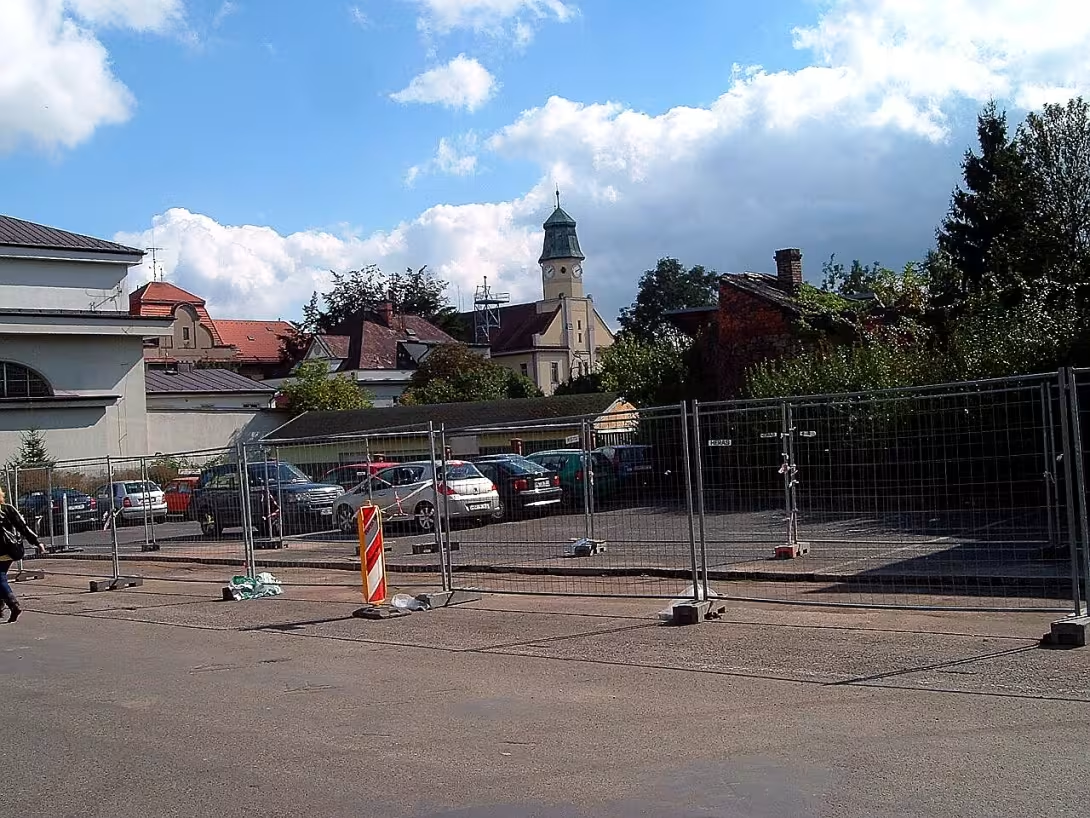
Objekt se nedochoval — na místě dnes nestojí. Následující text popisuje jeho historii, ne současnou návštěvu.
Dvůr Králové nad Labem is a historically rich town located in the Trutnov District of the Hradec Králové Region in the Czech Republic. Situated along the Elbe River valley, it has been significant since medieval times as a dowry town managed by Bohemian queens. The well-preserved historic town center is protected as an urban monument zone, offering visitors insights into its storied past.
The origins of Dvůr Králové nad Labem date back to the 12th century when it was established as a settlement with a small church serving as a guard post on a military trail to Silesia. Over time, German settlers expanded the town, and it became royal property. By the 14th century, fortifications reflected its growing importance. In 1392, King Wenceslaus IV transferred ownership to his wife, Queen Sophia of Bavaria, marking it as a dowry town and solidifying its name meaning "Queen's court on the Elbe."
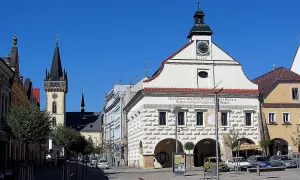
The architectural heritage is highlighted by the Church of Saint John the Baptist. Originally Gothic atop an earlier Romanesque church, a tower was added in 1644. Significant reconstructions in the 1890s shaped its present appearance. The historic core features Náměstí T. G. Masaryka, dominated by the Renaissance Old Town Hall constructed in 1833 after a fire destroyed the original building from 1572. Additional attractions include an Art Nouveau savings bank, a Baroque marian column, and a fountain.
Throughout its history, Dvůr Králové nad Labem has experienced numerous changes. It surrendered to the Hussites without resistance in 1421 and later became a dowry town under Queen Barbara of Cilli in 1436. The Thirty Years' War brought repeated looting and damage, yet the town recovered through its thriving textile industry, aided by railway construction and improved road networks.
Today, Dvůr Králové nad Labem is known for its Safari Park, one of the largest zoos in the Czech Republic. The park features over 3,300 animals from 400 species, primarily African hoofstock, and is renowned as a successful breeder of endangered species. This attraction draws numerous visitors annually, making it a key tourist destination.
The town's historical significance extends to its role during the Manuscript affair of 1817 when Václav Hanka purportedly discovered an ancient manuscript that later proved to be a forgery. Despite this controversy, the manuscript became an important symbol for Czech national identity and cultural heritage.
Dvůr Králové nad Labem's rich history and well-preserved architecture make it a compelling destination for those interested in exploring medieval towns with deep historical roots. Visitors can immerse themselves in its past while enjoying modern attractions like the Safari Park, ensuring an enriching experience that bridges centuries of cultural evolution.
Historical milestones
- 12th century
- Established as a settlement with a small church.
- 1392
- Transferred to Queen Sophia of Bavaria by King Wenceslaus IV.
- 1421
- Surrendered to the Hussites without resistance.
- 1436
- Became a dowry town under Queen Barbara of Cilli.
- 1572
- Original Old Town Hall destroyed by fire.
- 1644
- Tower added to the Church of Saint John the Baptist.
Architectural development
The architectural development of Hrad Dvůr Králové is speculative, inferred from historical records and local topography. The transition from a manor to a castle is suggested by the town's name and surrounding structures. No direct evidence or detailed descriptions of its construction exist.
Historical events
1260: Indirect evidence of a manorial system associated with King Václav II's reign suggests the presence of Hrad Dvůr Králové.
Points of interest
- The town of Dvůr Králové nad Labem was originally established as a small settlement with a church serving as a guard post on a military trail to Silesia in the 12th century. - In 1817, Václav Hanka claimed to have discovered an ancient manuscript that later became known as a forgery; despite this, it played a significant role in shaping Czech national identity and cultural heritage. - During the Hussite Wars, Dvůr Králové nad Labem surrendered without resistance in 1421, showcasing its strategic importance yet vulnerability during turbulent times. - The Renaissance Old Town Hall on Náměstí T. G. Masaryka was constructed in 1833 after a fire destroyed the original building from 1572, reflecting the town's resilience and architectural evolution over centuries. - Dvůr Králové nad Labem became a dowry town under Queen Barbara of Cilli in 1436, highlighting its significance as royal property linked to Bohemian queens throughout history.
Guide
This guide is narrated by a synthetic voice generated by artificial intelligence.
Show guide text
This text was created by artificial intelligence and has not been editorially reviewed. It may contain inaccuracies.
The castle in Dvůr Králové nad Labem is a monument that nobody really knows whether it ever existed. There is no direct evidence of it. Historians can only deduce its existence from indirect traces, and that is precisely what makes it an interesting puzzle.
The town was founded by King Přemysl Otakar II. From the year 1260 onwards, a manorial system is recorded here, that is, an arrangement of estates which the ruler granted to his vassals. During the reign of King Václav II, this system was attached to Trutnov. Such an administration usually required a fortified seat, which is why it is assumed that one stood here.
Another trace is the name of the town itself. The original royal court was probably later replaced by a castle. The name of Podhradské, the suburb, also refers to the castle, as it would hardly have come into being without the castle above it.
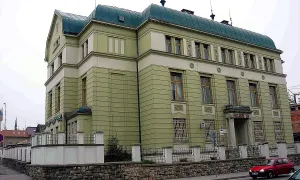
Where exactly the castle stood can only be guessed at. It is most often thought to have been in the area to the southeast of the Church of Saint Jan Křtitel, most probably at the location of the houses with property numbers one hundred five to one hundred eight. This location is also supported by the unusual relationship between the square and the road that enters the town from the north. Moreover, old depictions of the town also show towers which could have belonged to the castle.
Businesses nearby
Do you run a restaurant, accommodation, shop, museum, rental, wellness or other visitor service near this monument? Show yourself directly to the people heading to it — this is how they will see you in the app and on the web:
Events nearby
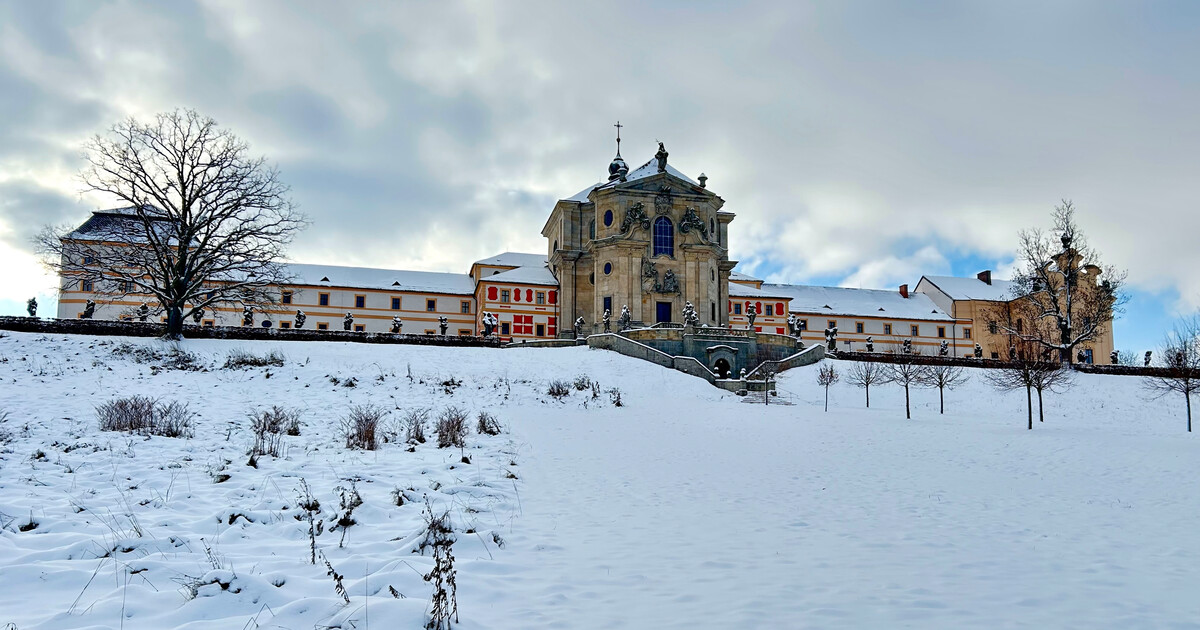
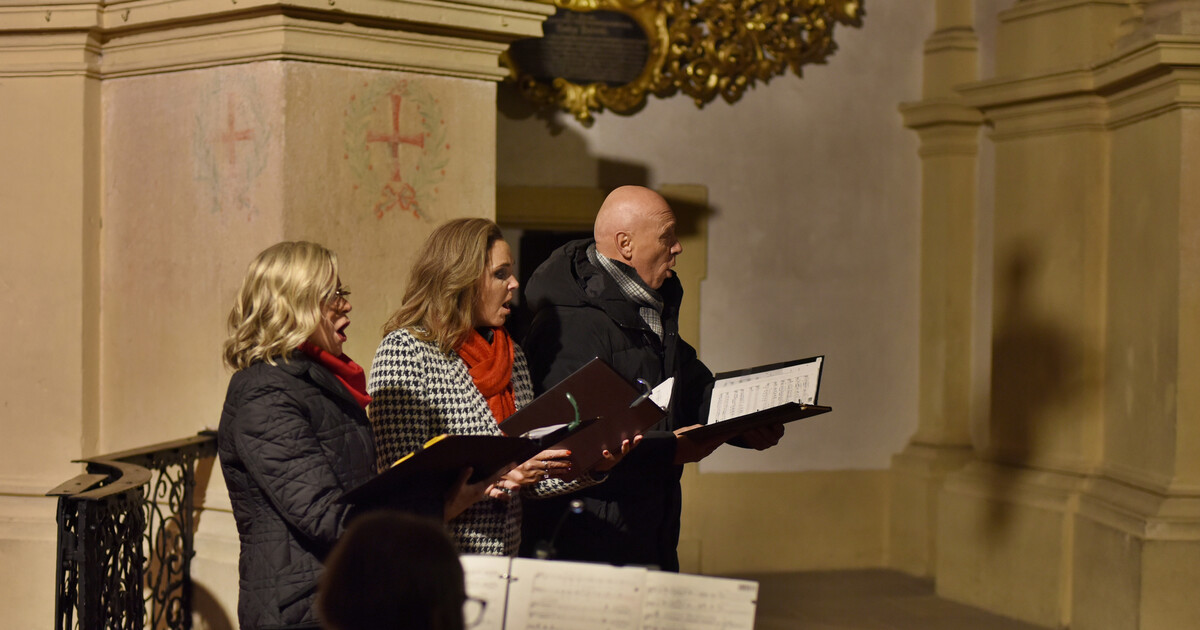
Zdroj akcí: otevřená data měst a obcí ČR (Národní katalog otevřených dat) a kalendář akcí Národního památkového ústavu.
Visualizations and artistic views


The visualisations are generated by artificial intelligence and serve as inspiration.
Photos from the area
Real photos taken near the monument


Zdroj a licence jsou uvedeny u každého snímku.
Tips from visitors
No tips yet. Be the first!
Log in and add your tip.
Sources and literature
Faktickým podkladem tohoto textu byl článek na Wikipedii, jehož autory jsou přispěvatelé Wikipedie. Článek je dostupný pod licencí CC BY-SA 4.0.
Location on the map
Příběhy a pověsti
Legendy, pověsti a příběhy spjaté s touto památkou
Fotografie návštěvníků
Zatím žádné fotografie. Buďte první, kdo přidá fotografii z návštěvy!
Log in a přidejte svou fotografii nebo hodnoťte.
Za ověřenou návštěvu v aplikaci získáte víc bodů — poznáme podle GPS, že jste na místě.
Reviews and comments