






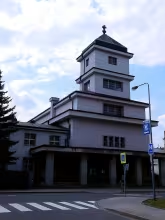
The Church of the Czechoslovak Hussite Church in Dvůr Králové nad Labem is a notable functionalist building protected as a cultural monument since 2018. Located in the town of Dvůr Králové nad Labem, this church stands out for its architectural style and historical significance related to early 20th-century religious movements in Czechoslovakia.
The origins of the church trace back to the establishment of the Czechoslovak Hussite Church in 1920. This new religious community emerged amid conflicts with the Roman Catholic Church over worship spaces, reflecting broader nationalistic and independent trends within the region. The need for a dedicated place of worship led to the construction of this distinctive building.
Architecturally, the church embodies functionalism, characterized by its practical design and modernist elements. Construction began in 1923 after acquiring land near the town center. Local builders František Krušina and Eduard Pešek oversaw the project, which included several deviations from Oldřich Liska's original plans. Notably, a planned tower was altered during construction. The building features a half-circular main hall with large wooden-framed windows, a gabled roof covered in shingles, and a facade adorned with a relief inscription commemorating its architect and builders.
Throughout its history, the church has witnessed significant events. The cornerstone was laid on June 15, 1924, and it was inaugurated on September 20, 1925, by Bishop Gustav Procházka. During World War II, one of the bells from the church tower was confiscated, marking a poignant moment in its history.
Today, the Church of the Czechoslovak Hussite Church remains an important cultural and historical site. Its interior is designed to accommodate over 300 people, featuring a main hall with a pulpit, a wooden cross, and a dossal depicting Jan Hus. The church also includes a choir loft with two-manual pipe organs and a tower housing a single bell that survived the war's confiscations. Visitors can explore additional facilities such as a lecture hall and a parish house.
The church is not only an architectural marvel but also a testament to the religious and cultural shifts of its time. Its preservation as a cultural monument underscores its significance in Czechoslovak history. For those interested in architecture, history, or religion, visiting this site offers a unique glimpse into the past and an appreciation for its enduring legacy.
Historical milestones
- 1920
- Založení Československé církve husitské.
- 1923
- Počátek výstavby kostela po získání pozemku.
- 1924
- Vložení kameního základu dne 15. června.
- 1925
- Inaugurace kostela dne 20. září.
- 1939
- Konfiskace jedné zvonu během druhé světové války.
Architectural development
The construction of the church began in 1923 after purchasing land for its site. Local builders František Krušina and Eduard Pešek oversaw the project, which included several deviations from the original plan, such as changes to a planned tower. The building features a functionalist style with a gabled roof covered in shingles.
Historical events
The Czechoslovak Hussite Church was established in Dvůr Králové nad Labem in 1920, leading to conflicts with the Roman Catholic Church over worship spaces.
The cornerstone of the church building was laid on June 15, 1924, and it was inaugurated on September 20, 1925.
Points of interest
- The Church of the Czechoslovak Hussite Church in Dvůr Králové nad Labem was originally intended to have a tower, but this feature was altered during construction, resulting in its current design without one.
- One of the church's bells was confiscated during World War II, leaving only a single bell that survived and remains in the tower today, marking a poignant moment in the building's history.
Guide
Show guide text
Welcome to the Church of the Czechoslovak Hussite Church in Dvůr Králové nad Labem, a remarkable testament to both architectural innovation and historical significance. As you stand here, take a moment to absorb the serene yet striking presence of this functionalist structure. Its design is a harmonious blend of simplicity and elegance, with its half-circular main hall inviting your gaze and curiosity.
The story of this church begins in 1920, amidst a period of religious transformation in Czechoslovakia. It was founded as part of the newly established Czechoslovak Hussite Church, born out of conflicts with the Roman Catholic Church. This setting laid the groundwork for what would become a significant cultural and spiritual landmark.
The journey to its creation started in 1923 when the land for this church was acquired. Just a year later, on June 15th, 1924, the cornerstone was ceremoniously placed, marking the beginning of its construction. By September 20th, 1925, the church was inaugurated, ready to serve as a beacon of the Hussite faith in the region.
Architect Oldřich Liska envisioned this space not just as a place of worship but as an embodiment of modernist ideals. As you stand here now, notice how the absence of a tower gives the building its unique silhouette against the skyline—a decision made during construction that adds to its distinctive character.
While many details about the architects and builders remain shrouded in history, their vision is unmistakable in every line of this edifice. The church stands as a silent witness to both peaceful congregations and turbulent times, including World War II when one of its bells was confiscated, leaving behind a poignant reminder of resilience.
As you explore further, let the absence of that bell resonate with stories untold yet deeply felt. This church is not just an architectural marvel but also a canvas of history, inviting reflection on faith, identity, and endurance.
We invite you to continue your exploration, perhaps wandering around its perimeter or stepping inside to experience its tranquil atmosphere firsthand. Each corner holds a piece of the past, waiting to be discovered. Thank you for joining us today in uncovering the layers of this remarkable site. As you move forward, carry with you the stories and spirit of Dvůr Králové nad Labem’s cherished church.
Tips for visitors
The best time to visit the Church of the Czechoslovak Hussite Church in Dvůr Králové nad Labem is during late spring or early autumn. During these months, you can enjoy pleasant weather and avoid the crowds that may gather during peak tourist seasons. The natural light at this time of year also enhances the architectural beauty of the functionalist building.
Parking and transportation options are available for visitors to Dvůr Králové nad Labem. You can drive your own vehicle or use public transport, which includes buses that connect the town with nearby areas. It's advisable to check current routes and schedules through a travel planner online to ensure smooth transit.
When visiting the church, consider bringing comfortable walking shoes as you may want to explore the surrounding area of Dvůr Králové nad Labem. Additionally, carrying a small backpack with water, snacks, and perhaps a camera can enhance your experience. The weather can be unpredictable, so a light jacket or umbrella might also be useful.
For photography enthusiasts, the church offers several interesting spots for capturing its unique architectural design. Early morning or late afternoon provides the best natural lighting to highlight the building's features. Inside, look for angles that showcase the interplay of light and shadow through the windows.
Nearby attractions within a 30-minute drive include the historic town center of Dvůr Králové nad Labem itself, which offers charming streetscapes and local shops. For families with children, consider visiting the nearby nature trails for a leisurely walk or exploring any local parks that offer recreational activities.
Businesses nearby
Do you run a restaurant, accommodation, shop, museum, rental, wellness or other visitor service near this monument? Show yourself directly to the people heading to it — this is how they will see you in the app and on the web:
Accommodation nearby
Themed route
Thematic Walking Tour: Dvůr Králové nad Labem
1. Sbor církve československé husitské, Dvůr Králové nad Labem (Church) Begin your journey at the Sbor církve československé husitské, a significant site for those interested in religious history and architecture. This church is renowned for its unique architectural style that reflects the historical influence of the Hussite movement, making it an essential visit for understanding local cultural heritage.
2. Historical Town Center of Dvůr Králové nad Labem From the church, take a leisurely walk to explore the historic town center of Dvůr Králové nad Labem. This area is characterized by charming cobblestone streets and traditional Czech architecture that offers insight into the everyday life of past centuries. The proximity allows for an easy transition from the religious site to experiencing local culture.
3. Local Artisan Shops in Dvůr Králové nad Labem Continue your exploration by visiting local artisan shops scattered throughout the town center. These shops are a testament to the rich craft traditions of the region, offering unique handmade goods that reflect the cultural identity and creativity of the area's inhabitants.
4. Public Square of Dvůr Králové nad Labem Conclude your tour at the public square in Dvůr Králové nad Labem, a vibrant gathering place for locals and visitors alike. The square is perfect for relaxing after your exploration, enjoying local cuisine, or simply soaking up the atmosphere of this historic town.
This thematic walking tour provides an immersive experience into the religious, cultural, and historical aspects of Dvůr Králové nad Labem, offering a comprehensive view of its unique charm.
```Seasonal recommendations
Spring: The arrival of spring at the Church of the Czechoslovak Hussite Church in Dvůr Králové nad Labem is marked by a vibrant transformation as nature awakens from its winter slumber. Blossoming trees and gardens surrounding the historical site create a picturesque backdrop, enhancing the serene atmosphere of this period. Visitors can enjoy the soft morning light filtering through the church's stained glass windows, casting colorful patterns on the interior. During this time, it is advisable to wear layers as temperatures can fluctuate between cool mornings and warmer afternoons. The spring season typically sees moderate visitor numbers, making it an ideal time for a leisurely exploration without large crowds.
Summer: Summer at Dvůr Králové nad Labé offers long days filled with warm sunshine, perfect for exploring the historic church and its surroundings. The lush greenery and blooming flora provide a refreshing environment to wander through after admiring the architectural beauty of the site. This season is characterized by peak tourist activity, so it's recommended to visit early in the morning or later in the afternoon to avoid crowds. Light, breathable clothing is ideal for staying comfortable during your visit, and don't forget sun protection like hats and sunscreen.
Autumn: Autumn brings a stunning display of warm colors as the leaves change around Dvůr Králové nad Labem, creating an enchanting atmosphere that complements the historical charm of the Church of the Czechoslovak Hussite Church. The cooler temperatures make it a pleasant time for strolls and photography, capturing the vibrant hues against the church's architecture. Visitors should dress in layers to accommodate the varying weather conditions typical of this season. While autumn is less crowded than summer, it remains a popular time for tourists seeking the beauty of fall foliage.
Winter: Winter transforms Dvůr Králové nad Labem into a serene and magical setting with snow-covered landscapes that enhance the historic ambiance of the Church of the Czechoslovak Hussite Church. The church's lights may be specially illuminated to create a warm, inviting glow against the crisp winter backdrop. Visitors should dress warmly in layers and wear comfortable footwear suitable for potentially icy conditions. Winter can see reduced visitor numbers outside of holiday celebrations, offering a quieter experience. Be mindful of shorter opening hours during this season, planning your visit accordingly.
```Visualizations and artistic views

Vizualizace jsou generovány umělou inteligencí a slouží jako inspirace.


Tips from visitors
No tips yet. Be the first!
Log in and add your tip.
Location on the map

Příběhy a pověsti
Legendy, pověsti a příběhy spjaté s touto památkou
Reviews and comments