






Falkenštejn Rock castle
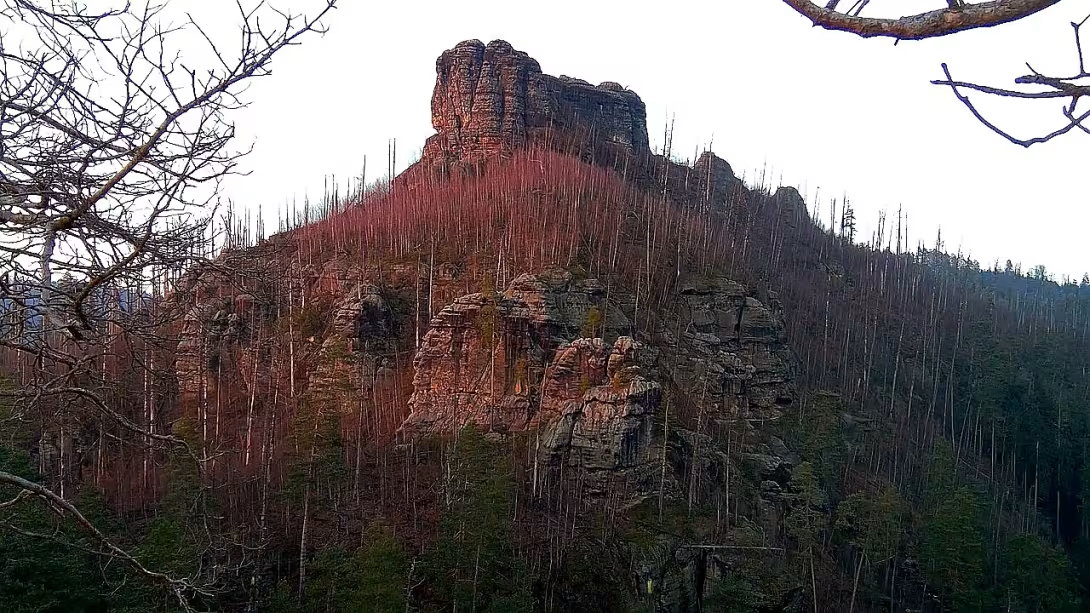
Falkenštejn, also known as the Shobar, is a rock castle located in the Děčín district in the Czech Switzerland National Park. This historical monument, built on sandstone rock, has served as a defensive residence since the first half of the 14th century and has been protected as a cultural monument since 1966. Here the lights and foundations of other buildings have been preserved, which attract visitors.
The castle was established at a time when the Přemyslívov sought to strengthen power through castles and settlements. Archaeological evidence dates back to the first half of the 14th century, but the first written mention dates back to 1395. On Falkenštejn he was the captain of Nice Hokacker in the service of John III of Michalovice. Since 1406 they became owners of Hynek Berk from Dubé and his sons Jan and Jindřich Berka z Dubé, who participated in robbery trips to Lusatia. In 1428 it was bought by Zikmund Děčínský z Vartenberka, which maintained the crew during the Hussite wars, but did not live in the castle. After the conflicts, however, the castle was desolate and only its remains were preserved.
The Falkenštejn was built on sandstone rock with a fortified bead and moat. On the top platform, a hall lit with seats was partially preserved, while the adjacent carved space is considered a chapel. In addition, the wooden tower and the perimeter of the platform were probably fortified by a palisade.
After the castle was destroyed, the rock served as a fire patrol station. In the second half of the 19th century tourists started visiting Falkenštejn, where occasional cultural events took place with beer and souvenirs.
Today Falkenštejn is available by turning from the yellow marked tourist route from Jetřichovice to the crossroads of Pod Dry Hill. In the autumn of 2017, a staircase was built to the top of the rock with the remains of the castle, where a observation platform of metal understanding grids was built. This building protects the rock from erosion and allows visitors to view the surrounding landscape safely.
Falkenštejn is not only a monument to historical significance, but also a place where nature and heritage meet. Its location in the Czech Switzerland National Park adds another attraction to the visit. It is a place where not only the architectural past can be appreciated, but also the beauty of nature surrounding it. Visiting Falkenštejn means experiencing the current view of history and nature, which makes this rock castle an important destination for every traveler.
Then and now
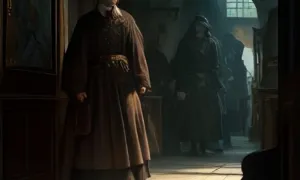
Drag the slider to compare how the landmark may have looked when it was built with the view today.
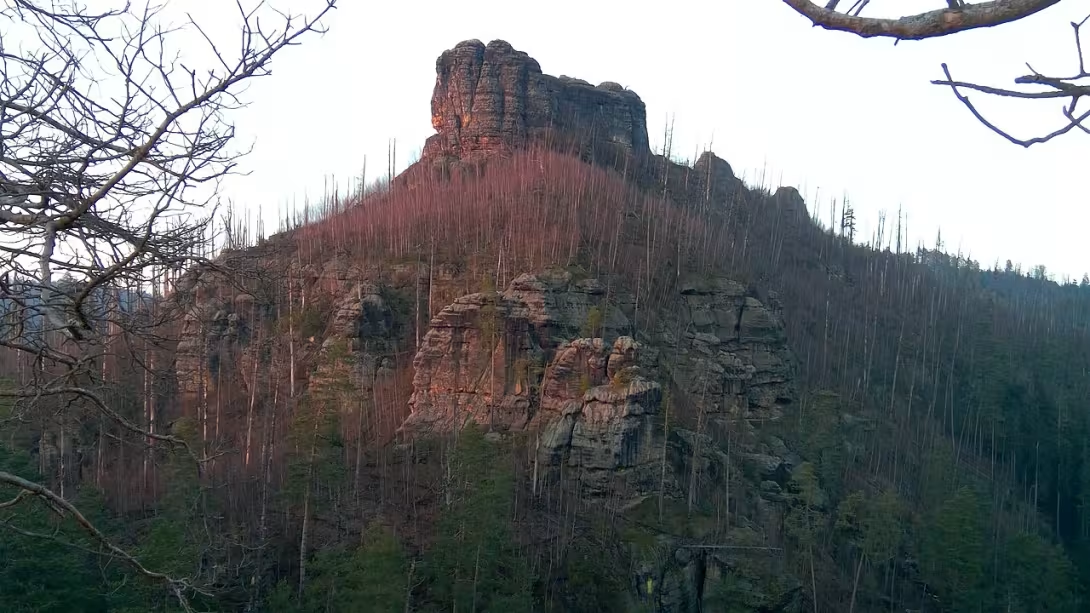
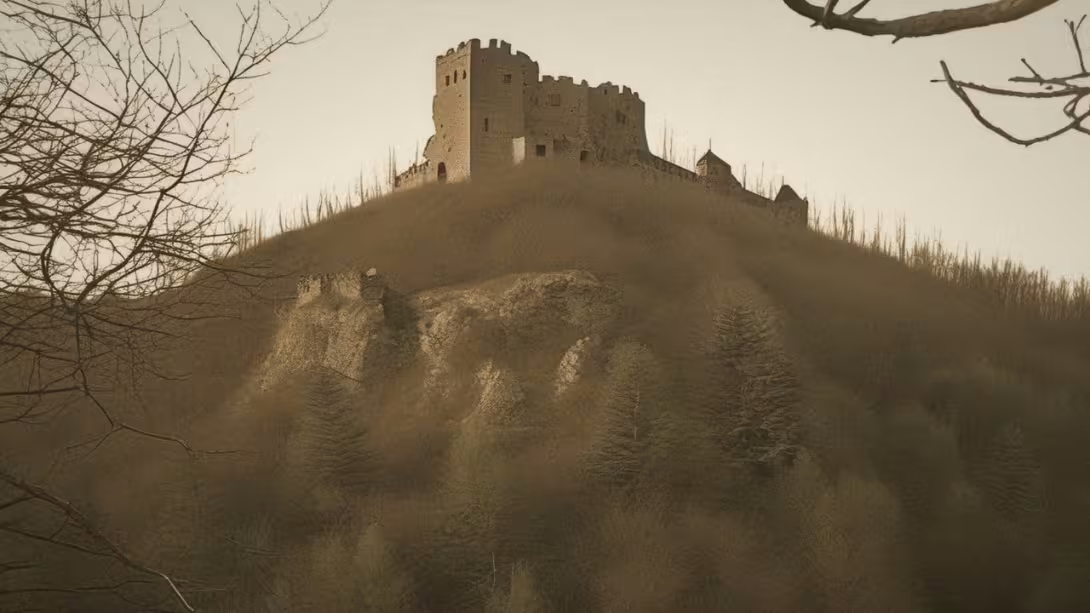
The historical appearance on the left is an AI-generated visualisation and serves as inspiration only.
Historical milestones
- 2017
- Stations of stairs and observation platforms at the top of the rock
Architectural development
The castle was built on a sandstone rock with a fortified wall and a moat. On the top platform, a hall lit with seats was partially preserved, while the adjacent carved space is considered a chapel.
Historical events
- First half of the 14th century
- Archaeological evidence of the castle
- 1428
- The purchase of the stone estate by Zikmund Děčinský z Vartenberk
Owners
- 1395
- Nice Hokacker in the service of John III of Michalovice
- 1406
- Hynek Berka from Dubé
- po Hyneku Berkovi
- Jan Berka from Dubé and Jindřich Berka z Dubé
- 1428
- Zikmund Děčínský z Vartenberka
Points of interest
- Falkenštejn is also known as Shobar and is located in Děčín district in Czech Switzerland National Park. - This historical monument, built on sandstone rock, has served as a defensive residence since the first half of the 14th century and has been protected as a cultural monument since 1966. - On Falkenštejn he was the captain of Nice Hokacker in the service of John III of Michalovice, and after 1406 they became owners of Hynek Berk of Dubé and his sons Jan and Jindřich Berka z Dubé. - After the conflicts, the castle was abandoned and only its remains were preserved, including a partially preserved hall lit with seats and carved space considered a chapel. - Today Falkenštejn is available by turning from the yellow marked tourist route from Jetřichovice, with the construction of a staircase to the top of the rock in autumn 2017.
Guide
Show guide text
This text was created by artificial intelligence and has not been editorially reviewed. It may contain inaccuracies.
Welcome to one of the most fascinating places in the entire Czech Switzerland National Park. Right now you are standing in front of the rock castle Falkenštejn, which many of us also know under our Czech name Shobo. Stop for a moment and just feel the atmosphere surrounding you. Look around you at these monumental sandstone formations that form the very basis of this mansion. It is a place where nature and human quest for safety have intertwined in complete harmony. In front of you, there is a rock that once served as an impenetrable foothold and is now a silent witness to centuries of history. Inhale clean forest air and imagine what this place looked like hundreds of years ago, when discipline, patrols and constant surveillance of the surrounding terrain ruled here.
Let us now look together at how this building was built and why it was built here. Falkenštejn was not only an ordinary home, but mainly a defensive home. His history dates back to the first half of the fourteenth century, which means that people lived and guarded the borders here when powerful noble families were formed in our countries. The choice of this particular place was not random. The sandstone provided natural protection that would be almost impossible to break without enormous effort. At that time, the ability to control such a high point was a strategic advantage, which made the castle owner a very influential player in the region. The castle thus served as a fortress to protect the surroundings and demonstrate the power of its masters. Since the year nine hundred and sixty-six, this monument has been protected as a cultural monument, which allows us today to admire its remains as they remain.
Now pay attention to what you see right in front of you and around you. The architecture of rock castles is very specific because builders did not have to build everything from scratch, but often used what nature had prepared for them. Notice the foundations of the structures that are embedded in the sandstone. Even if you don't see tall walls today, these foundations tell us the story of how the castle gradually grew and adapted to the terrain. Focus your attention on the so-called lights. They are small, cozy, but at the same time confined spaces that were carved directly into the rock. Imagine how everyday life took place in these small rooms, how people slept here, worked and sought shelter from the enemy and the bad weather. It's a fascinating contrast between the monumental size of the rock and the intimacy of these small spaces. If you look up, you'll see a modern addition that helped the castle relive for its visitors. In the year two thousand seventeen there was built a staircase and a observation platform to the top of the rock. It is thanks to them that you can climb up safely today and perceive the landscape from the same perspective that the guards once observed.
When we think about Falkenštejn, we can't ignore the people who left their trail. The history of this place is linked to a number of important personalities whose names are registered in the archives as owners or administrators of this headquarters. Among them was Nice Hokacker or Jan the third of Michalovice. Later, representatives of powerful families like Hynek Berka of Dubé and Jindřich Berka z Dubé appeared here. The Berks of Dubé were at that time one of the most important noble families in the region, and their presence here shows the high value and importance of this castle. They include Zikmund Děčínský z Vartenberka. Each of these men saw the castle differently. It could have been a strategic point for him, for another family home or a place to consolidate his power. Imagine them walking on these rocks, planning defenses, or discussing the politics of the time. Even though their names are now just lines in historical books, their ambitions and decisions have created a place that you discover today.
Now, I want to impress you with one interesting thing that gives this place a special touch. Note that the castle has two names. Falkenštejn, which, in translation, means Sheba stone, and just Sheba. This dual name is often accompanied by monuments that have been influenced over time by different languages and cultural influences. But there's something else. Falkenštejn was the chief of staff. Hetman wasn't just a simple soldier, he was a commander who was responsible for the safety of the castle and its crew. Imagine his role. He must have been uncompromising in defence issues, but also diplomatic in communication with the master of the castle. Hetman was the one who knew every crack in the sandstone, every narrow path leading up and every weak spot in defense. It's a hidden layer of history that reminds us that the castle wasn't just a stone building, it was a living organism where everyone had a specific function.
If you look around you now, you may feel that the castle is no longer as noisy as it was in its glory, but in this silence lies its greatest charm. The sandstone walls, the foundations of old buildings and the silent lights carved in stone encourage us to reflect on the timeliness of time. What was once a symbol of power and impenetrability is today a beautiful ruin that teaches us humility before nature and history.
Now I encourage you to go on your own research. Walk slowly through the stairs, get off on the scenic platform and let yourself be absorbed by the views of the surrounding ridges and valleys of the Czech Switzerland National Park. Try to imagine what kind of feelings people must have had, who were watching the horizon from this place, looking for the first signs of imminent danger, or expected to visit important guests. Feel the texture of sandstone under your fingers and see how the castle intersects with the surrounding vegetation.
Thank you for accompanying me on this short journey through time. I hope this visit has brought you new views of the rock castle Falkenštejn and that you will carry a piece of his secret with you. I wish you a pleasant continuation in discovering the beauty of this region. Goodbye.
Tips for visitors
The best time to visit Falkenštejna is in the summer months, especially from May to October. During these months, the conditions for a comfortable walk are ideal and the surrounding landscape offers unforgettable experiences. Sunny days provide beautiful light that is perfect for photography.
Parking can be found near the village Jetřichovice. The location is also available by public transport; Check the current connection in the search engine. We recommend you arrive at the place by car if you have the option because it allows for more flexible planning of the visit.
During the proposed walk, it is advisable to bring shoes suitable for walking on irregular terrain, water and sun protection. The site has dramatic terrain, so good leg support can be useful.
Photography at Falkenštejn offers some of the best places. It is especially recommended to take pictures of the area in front of the rock castle, where the view of the surrounding mountain and the castle itself is excellent. The best light for photography is during early morning or late afternoon when the sun is not directly above your head.
In the vicinity of Falkenštejna you can visit the National Park Czech Switzerland. The park offers many beautiful walks and waterfalls that are ideal for a day's visit. For families with children, it is especially appropriate to visit parks for natural attractions and the possibility of playing in the natural environment.
Businesses nearby
Do you run a restaurant, accommodation, shop, museum, rental, wellness or other visitor service near this monument? Show yourself directly to the people heading to it — this is how they will see you in the app and on the web:
Events nearby
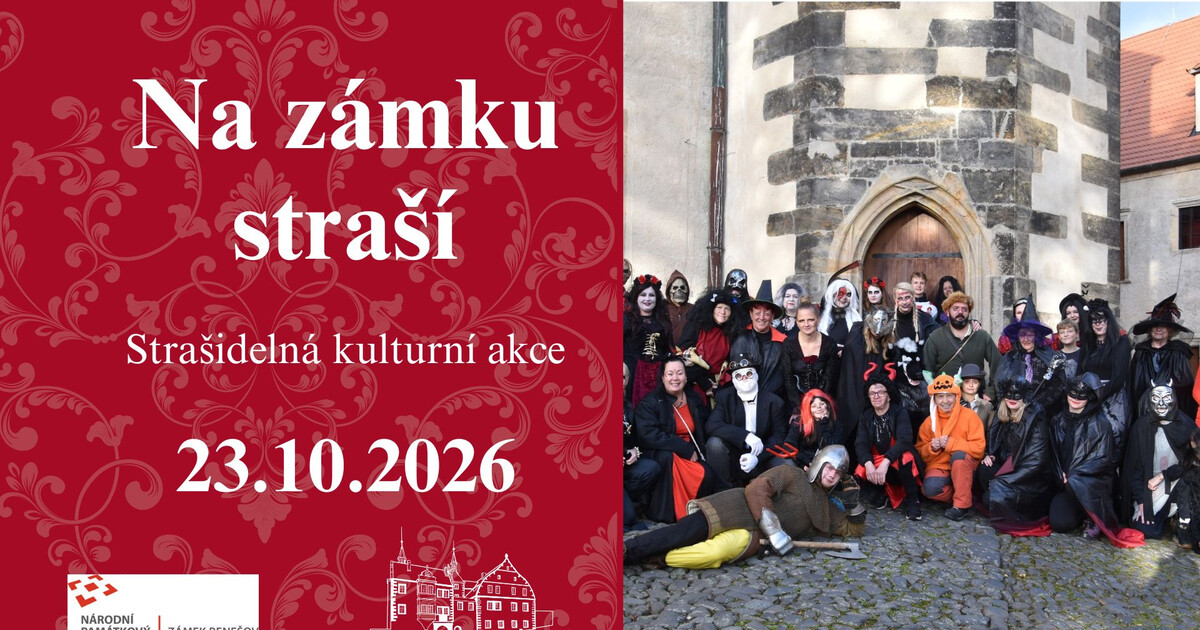
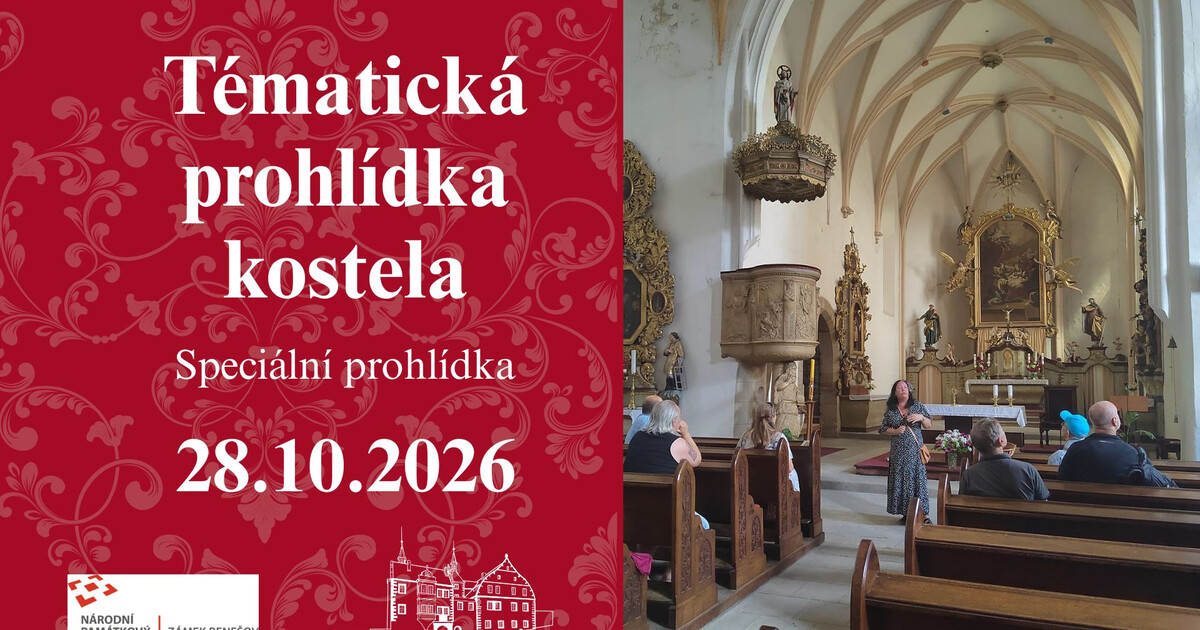
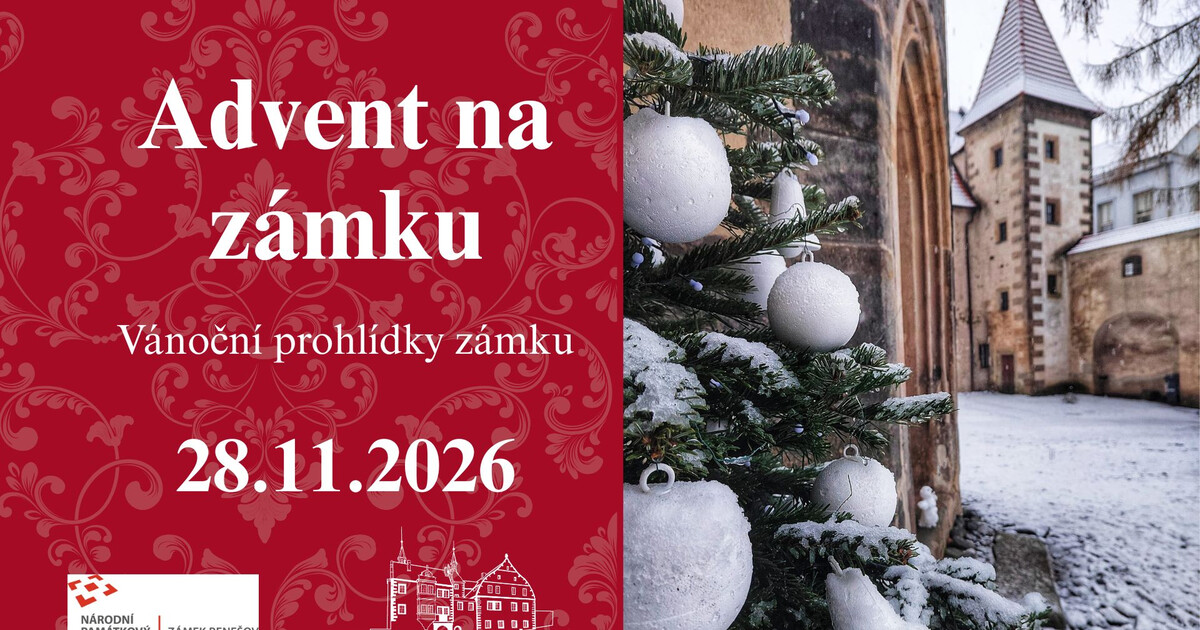
Zdroj akcí: otevřená data měst a obcí ČR (Národní katalog otevřených dat) a kalendář akcí Národního památkového ústavu.
Nearby
Falkenštejn is located in Czech Switzerland National Park, famous for its dramatic landscape beauty. The nearest village is Jetřichovice.
Accommodation nearby
Themed route
Thematic cruise route from Jetřichovice to Falkenštejn
1. Jetřichovice - Municipality Let us begin our way in the village Jetřichovice, which is closest to Falkenštejn. This picturesque village offers an opportunity to explore local life and enjoy traditional Czech food in one of the restaurants. It's the perfect place to relax and fill the energy before the trip starts.
2. National Park Czech Switzerland - Nature Explore the surrounding landscape of the Czech Switzerland National Park, known for its dramatic landscape beauty. This area offers nice walks and views of rocky formations and forest landscape. It's an ideal place for nature lovers to enjoy a quiet moment in the air of clean mountains.
3. Falkenštejn - Rock Castle The main goal of our route is Falkenštejn, a unique rock castle built in the 13th century. This historic object offers a fascinating visit with the opportunity to explore its fortresses and enjoy impressive views of the surrounding landscape. It is not only a monument, but also a testimony about the region's rich history.
4. Exhibition Space Falkenštejna - History On Falkenštejn there is an exhibition area where visitors can get a deeper understanding of the history of the castle and region. Exhibits and information panels provide interesting details of the past and importance of this place.
5. Park at Falkenštejna - Relax After exploring the castle, relax in the park near Falkenštejna, where you can enjoy quiet moments in the meadow or under the trees. This space is ideal for relaxation and reflection after a full day of historical discoveries and natural beauty.
This route offers a complex experience connecting history, culture and nature in one region.
Seasonal recommendations
Spring - During the period of flourishing forests and fresh fog, the rock castle Falkenštejn is lost in fine, scattered light, which highlights its stone remains and underlines the atmosphere of abandonment. We recommend arriving early in the morning when there are still few visitors and the sun rays penetrate between the trees, and dress up in layered clothes - light jacket and waterproof jacket are also suitable for occasional spring rains. Since the trails can be slippery after rain, choose fixed shoes with a good grip.
Summer - In the summer months the sun illuminates the rock cliffs clearly and creates contrasts between shadow and light, giving the ruins a dramatic look. The main summer season focuses on Falkenštejn the largest number of tourists, so it is reasonable to arrive before noon or after the afternoon hours when the crowds disperse. Dress lightly, but don't forget the cap and sunscreen, because exposure to sunlight on open rock ground is intense. Water in a bottle and sunglasses will make your climbing along stony paths more pleasant.
Autumn - The colourful leaves around the rock castle create warm shades of orange and red, which complement the grey stones and give the place a melancholy touch. In autumn days the light is softer and the atmosphere calmer, which is ideal for photography. We recommend planning a visit for the late afternoon when the sun boils to the horizon and illuminates the top of the castle. Get dressed in warmer layers, such as a sweater and a waterproof jacket, and prepare your tight shoes because the leaves can slide on the trails.
Winter - The winter period covers Falkenštejn in a quiet white coat; Snow and frost highlight the structure of stone remains and create an almost mystical impression. The opening hours are often shortened, so it is advisable to check the current information and arrive early in the morning. Dress in insulating layers, don't forget the hat, gloves and warm shoes with anti-slip soles, because the ice on the rocks poses a risk. Short but intense walks allow you to enjoy the peace and quiet of the winter region without large crowds.
Visualizations and artistic views


The visualisations are generated by artificial intelligence and serve as inspiration.
Photos from the area
Real photos taken near the monument


Zdroj a licence jsou uvedeny u každého snímku.
Tips from visitors
No tips yet. Be the first!
Log in and add your tip.
Sources and literature
Fotografie: Reneman / CC BY-SA 4.0 — Wikimedia Commons. The author and licence also appear when you hover over the image.
Faktickým podkladem tohoto textu byl článek na Wikipedii, jehož autory jsou přispěvatelé Wikipedie. Článek je dostupný pod licencí CC BY-SA 4.0.
Location on the map
More monuments – Jetřichovice
Show all in the municipality
Příběhy a pověsti
Legendy, pověsti a příběhy spjaté s touto památkou
Fotografie návštěvníků
Zatím žádné fotografie. Buďte první, kdo přidá fotografii z návštěvy!
Přihlaste se a přidejte svou fotografii nebo hodnoťte.
Za ověřenou návštěvu v aplikaci získáte víc bodů — poznáme podle GPS, že jste na místě.
Reviews and comments