



Jordán Water structure
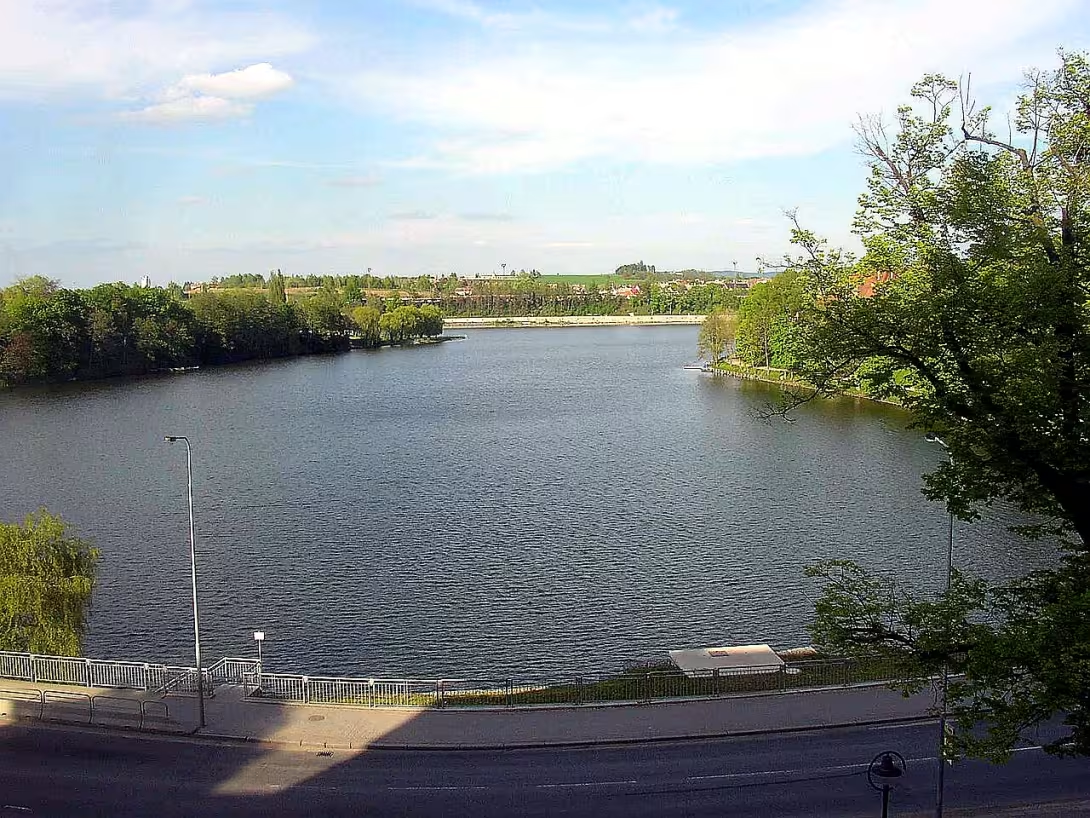
Jordán is the oldest dam in the Czech Republic, located in the village Tábor. It was created in 1492 by the dam of Košín creek and was originally used to supply the city with drinking water. Later, the tank was also used for fish farming, but today is mainly a place for recreation and sports fishing. Since 1992 Jordán has been protected as a cultural monument.
The development of the tank in 1492 was related to the need to provide drinking water for the city of Tábor, which was crucial for the development of urban infrastructure during the transition from the Middle Ages to the Renaissance. Originally, Jordán was designed to supply the city with water through the first waterworks built in 1508 by Master Jan and Matthew Zycha. This water plant has served for 365 years, which underlines its importance to the local population.
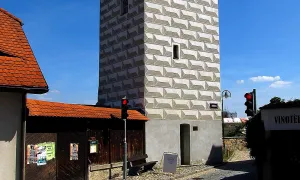
Architecturally, the Jordán is characterized by a sprinkled dam of 284 metres in length and 20 metres in height, which holds approximately 3 million cubic meters of water. The maximum depth of the tank is 12,5 metres. In 1693 Jordán waterfall was built, which represents one of the dominant architectural elements on the ground. The modern harp bridge, built between 1984 and 1991, is another important building element through the tank with its 26 suspension ropes on the pylon.
The history of Jordán is rich in key events and attractions. For example, in 1890, a carp weighing 28 kg was found, making the largest fish caught in the area. In 2012 a new discharge shaft was launched as part of the reconstruction, which enabled more efficient tank control.
Today Jordán is a popular place for recreational activities. The tank has recently been modernised, which includes repairing the swimming pool and creating various sports sites and beaches. Accessibility to Jordán is easy, making a visit ideal for tourists and locals looking for a place to relax in nature.
Jordán draws attention to its history and architecture, offering the opportunity to explore the rich history of the city of Tábor. Its existence is evidence of progress in water supply technologies and urban planning during the transition from Middle Ages to Renaissance. Visiting Jordán is not only a journey to the past, but also an opportunity for actual entertainment and relaxation in a beautiful environment.
Then and now
Drag the slider to compare how the landmark may have looked when it was built with the view today.
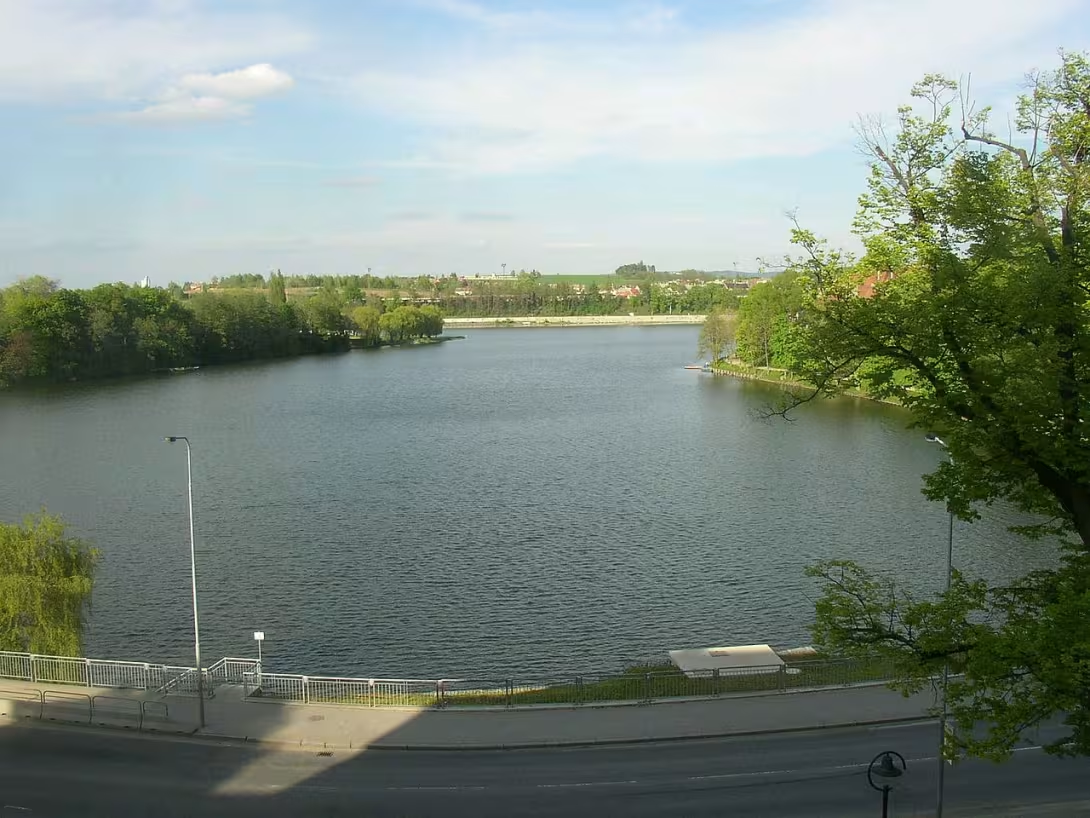
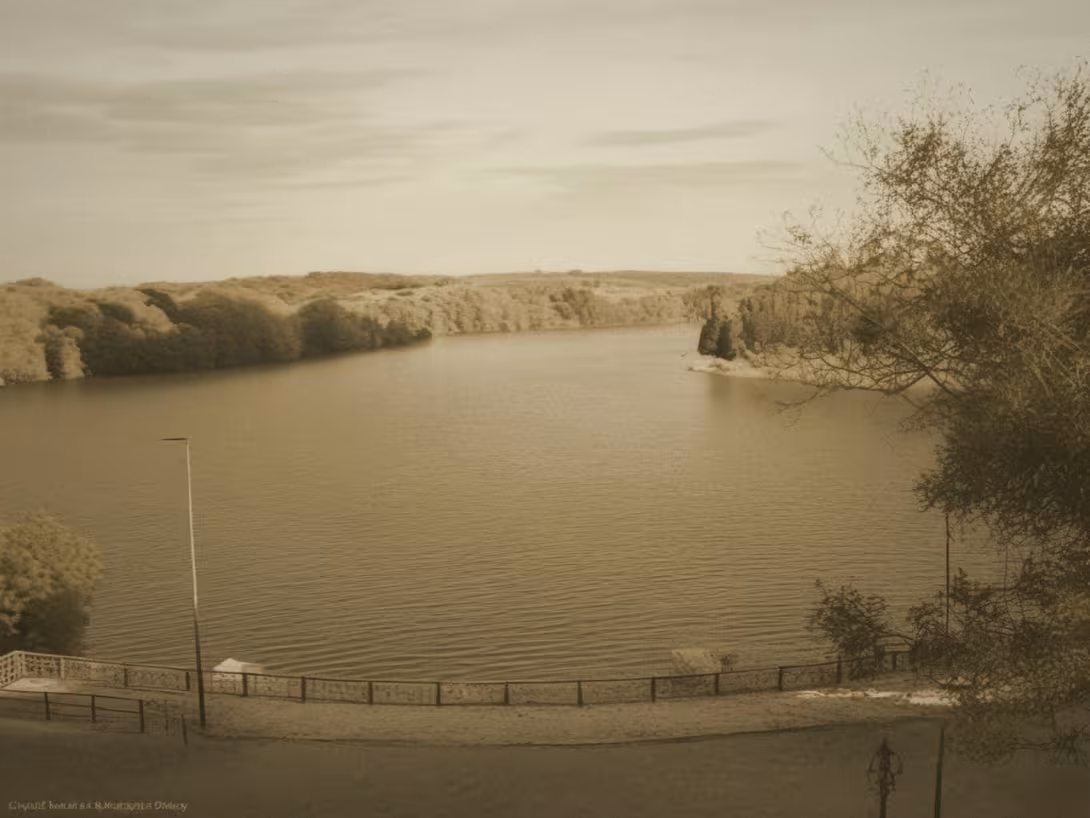
The historical appearance on the left is an AI-generated visualisation and serves as inspiration only.
Historical milestones
- 1492
- the formation of a water tank by the dam of Košín creek
- 1508
- construction of the first water plant by Master Jan and Matthew Zychou
- 1693
- construction of Jordán waterfall
- 1992
- the tank is protected as a cultural monument
Architectural development
The sprinkled dam is 20 m high and 284 m long. In 1693 an ambush was built in the form of a waterfall. In 1984- 1991 a modern harp bridge was built through the tank and in 2012 a new discharge shaft was launched.
Historical events
1508: construction of the first water plant; 1693: construction of Jordán waterfall; 1992: Declaration for cultural heritage.
Points of interest
- Jordán is the oldest dam in the Czech Republic and has been protected as a cultural monument since 1992. - The first waterworks were built in 1508 by masters Jan and Matthew Zychou and served for 365 years. - In 1693 Jordán waterfall was built, which is one of the dominant architectural elements. - The modern harp bridge was built between 1984 and 1991 and has 26 suspension ropes. - In 1890 a carp weighing 28 kg was found, which was the largest fish caught in the area.
Guide
Show guide text
This text was created by artificial intelligence and has not been editorially reviewed. It may contain inaccuracies.
Welcome to the beautiful city of Tábor. You're standing right where time stops and water tells stories hundreds of years ago. In front of your eyes, there is a calm surface that immediately engulfs you with its quiet strength and calm. Feel this space, feel this cold air and look at this vast water surface. It is here where nature meets the work of human hands that begins our journey through time. Jordán is not just an ordinary tank you may see around you. It is a witness of centuries who stands here and watches the changing world, human destinies, and the changing faces of the city. Feel the atmosphere of peace that surrounds you, and let yourself for a moment forget the hustle and bustle of the outside world.
Let us now return together deep into the past. To fully understand why this place is so special, we need to look at what happened over 500 years ago. Imagine the year of Peach and Ninety Two. That was the year people in this town decided to take a step that changed everything. They decided to cross the Basin stream. That stream, which once only flowed freely through the countryside, has made their efforts the basis for the life of the entire city. This is the act of creating this oldest dam tank throughout our country. It was not just a project for the people back then, it was a question of survival and stability. They needed drinking water, they needed to make sure that even in times of drought, the city would have a source of life. These decisions, which were made in Pachát and ninety-two, determined the fate of Tábora for decades and centuries. Jordán has become the heart of a city whose heart rate has been given by just flowing water.
Now pay attention to the history of the people who have left their unique mark in this place. If you look at the significance of this place, you can't forget year of Pachat and eight. Something fundamental happened this year. Two men, masters Jan and Matouš Zycha, have completed the construction of the first water factory. Imagine their work, their efforts and their courage to build something so important and lasting at a time when every job was extremely demanding and required enormous skill. John, who was led by water, and Matthew, who together created the basis for the people of Tábor to drink without fear. This waterworks was so well built that it served people after an incredible 300 and sixty-five years. This is proof of their incredible mastery and precision. Their names are still linked to this place, and their work teaches us about the durability and quality of work that can last over many generations.
Let's now look at what you can see right in front of you. Although at first glance it may seem to be only water and shores, note how this place is perceived. One of the most important elements you can see here, which determines the overall appearance of this place, is the Jordán waterfall. It was built in Pachát and ninety-three and still dominates this whole place. It is he who gives this place its unmistakable character and its moving face. Feel the sound of water, the constant movement, which reminds me that even though everything seems quiet, life is constantly flowing here. This water structure is perceived as a cultural monument, which means that every movement of water and every element in this area has its profound significance and weight here.
Watch as the purpose of this place changed over time. Jordán has undergone many changes. It was originally built primarily for supplying the city with drinking water, which was its most important task. Later, however, its use expanded and it also started to serve fish farming, making it an important part of the local economy. The situation is different today. Currently Jordán serves mainly for recreation, relaxation and sports fishing. People come here looking for peace, the beauty of nature and the opportunity to spend time by the water. It's fascinating how a place can change and still remain the heart of the area. It's a fascinating sequence of events that took place here.
You may be interested in one thing that once again highlights the uniqueness of this place. Jordán isn't just old, he's the oldest. There is no other dam tank in our entire country that has such a long and profound history since its inception. This is why, since Pachát and ninety-two, this tank has been protected as a cultural monument. It is a treasure that we must store together for future generations. It's a place where history meets the presence of every wave on the surface and every sound of water.
Now that you know the story of this place, I suggest you continue your walk. Feel the calm that exists here, and let the atmosphere of this historic place consume you. You can devote yourself to fishing, which is very popular here, or just stop and observe the surrounding area and the movement of water. Let yourself be inspired by the history that is there in every breath. Thank you for spending this moment with us and for being interested in our history. I wish you the rest of the day and enjoy the beauty of Jordán. Goodbye.
Tips for visitors
The best time to visit Jordán is in the spring or autumn season when the weather is pleasant and vegetation offers a beautiful view. This historic object is celebrated for its calmness and natural beauty, making it an ideal place to relax in nature.
For comfortable travel check the current connection in the search engine to help you find the best route.
When visiting Jordán it is good to take with you protective sunglasses and plenty of drinking water. If you plan to walk around, we recommend suitable shoes and clothes according to current weather.
Photography here is great especially in the early morning or evening when the light is softer. The best places for photos are the dam tank and surrounding forested areas that offer beautiful views of the water work.
You can visit the Jordán area Tismenic stream or take a look at the river Lužezka. These natural points are ideal for short walks and listening to calm sounds of nature.
Frequently asked questions
Can the monument be visited?
This is a structure in a public space that can usually be seen from outside free of charge. We have not verified that this particular one is freely accessible.
Where is the monument?
Location: Tábor. The map on this page shows the exact spot.
Why is the monument protected?
It is listed in the Central List of Cultural Monuments of the Czech Republic as a cultural monument (register no. 1000124050).
Businesses nearby
Do you run a restaurant, accommodation, shop, museum, rental, wellness or other visitor service near this monument? Show yourself directly to the people heading to it — this is how they will see you in the app and on the web:
Nearby
Tismenický potok, řeka Lužnice a menší přehrada Malý Jordán.
Accommodation nearby
Themed route
Thematic cruise route around Jordán
1. Jordán (Water Works) - Type: Water work, dam - Why is it worth a visit: This small dam on the river Lužnice is not only a technical success but also a beautiful natural spa. It is an ideal place to relax and relax in green.
2. The river Lužík - Type: River - Why is it worth a visit: A beautiful flow that offers options for swimming and picnics on its shores. It is an ideal place for relaxation and natural beauty.
3. Tismenic stream - Type: River - Why is it worth a visit: This small stream is part of the region around Lužík and offers a quiet atmosphere for short walks or picnics. It is an ideal place for a quiet moment in nature.
4. Small Jordán - Type: Smaller dam - Why is it worth a visit: Little Jordán is another technical piece on Lužnice, which contributes to water regulation and provides a place to rest. It is suitable for a short stop during a trip.
This route offers a combination of technical works, natural baths and quiet resting places. Starting with Jordán, you can immerse yourself in the beauty of Lužka and its surrounding region.
Seasonal recommendations
Spring: In the spring season Jordán in Tábor is oddly dazzling when the sun shines on newly opened flowers and trees start to leaf. The atmosphere is full of hope and renewal, which brings a calm mood to explore historical places. It is advisable to bring light clothes for sunny days and a warm coat for cooler morning and evening. The best time to visit is this afternoon when the crowd shrinks.
Summer: In summer Jordán takes on life in Camp with warm days and long evenings. The sun illuminates the water work so that every angle shines brighter. The atmosphere is full of energy and activities, which can attract more visitors. It is recommended to visit in the early afternoon or early evening to avoid large crowds. Remember the sun creams and light clothes suitable for warm soil.
Autumn: In autumn Jordán in Tábor offers a golden palette of colours when tree leaves start to change. The atmosphere is calm and mild temperatures make the walk pleasant. This is the ideal time for a visit because the crowd is shrinking. We recommend you bring a warm coat for a cooler afternoon and early evenings. The best time is at noon when the sun lights the leaves with its golden rays.
Winter: In winter months, Jordán in Tábor offers a peaceful and quiet atmosphere. Freezing temperatures bring cool air, which is suitable for relaxation and relaxation. Don't forget warm clothes and shoes suitable for freezing surface. This time of year offers unique views of historical monuments without large crowds.
Visualizations and artistic views


The visualisations are generated by artificial intelligence and serve as inspiration.
Photos from the area
Real photos taken near the monument

Zdroj a licence jsou uvedeny u každého snímku.
Tips from visitors
No tips yet. Be the first!
Log in and add your tip.
Sources and literature
Photos: No machine-readable author provided. Miaow Miaow assumed (based on copyright claims). / Public domain — Wikimedia Commons. The author and licence also appear when you hover over the image.
Faktickým podkladem tohoto textu byl článek na Wikipedii, jehož autory jsou přispěvatelé Wikipedie. Článek je dostupný pod licencí CC BY-SA 4.0.
Location on the map



Příběhy a pověsti
Legendy, pověsti a příběhy spjaté s touto památkou

Fotografie návštěvníků
Zatím žádné fotografie. Buďte první, kdo přidá fotografii z návštěvy!
Log in a přidejte svou fotografii nebo hodnoťte.
Za ověřenou návštěvu v aplikaci získáte víc bodů — poznáme podle GPS, že jste na místě.
Reviews and comments