



Kostel Nanebevzetí Panny Marie a svaté Máří Magdaleny Church
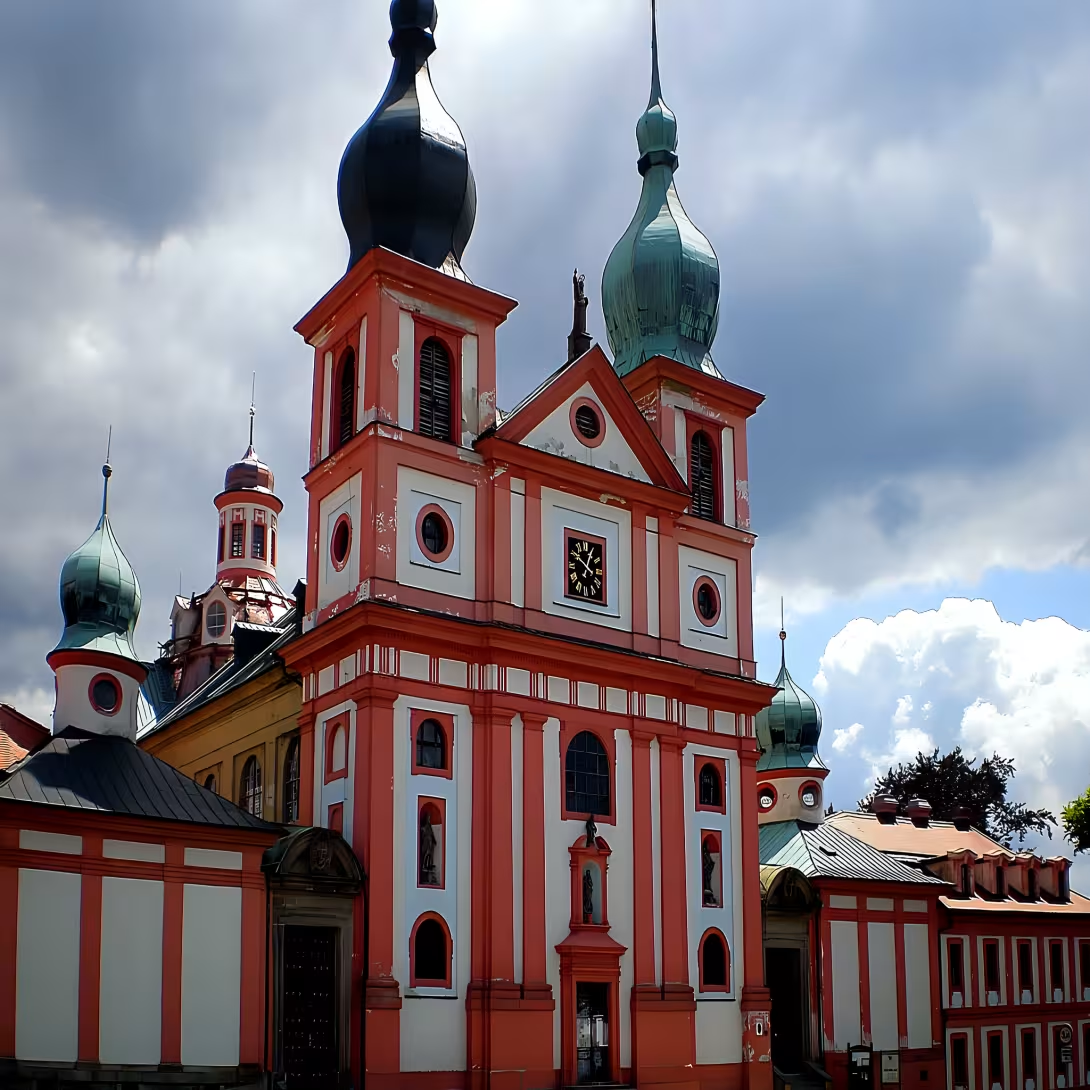
The Church of the Assumption of the Virgin Mary and Saint Mary Magdalena in the Hlum of Saint Mary owes its existence to the medieval tradition of pilgrimage, which it uprooted in the 13th century. The beginnings are associated with the legend of the found statue of Madonna in the bushes by the road. According to tradition, the painting returned to its original place after being found and taken home, which led to the construction of a wooden roof and later a wooden chapel. There was a settlement around this chapel, but it had long been lacking its own parish. Cruisers with a red star who played a key role in the region were responsible for managing the pilgrimage site.
The first credible mention of the Hlum of St. Mary from paper sources dates back to 13 August 1383, when the building dedicated to the Virgin Mary was mentioned. In the same year the knight Heinrich z Reissengrünu donated sixty mornings of arable land on the hill. Around 1400 the first chapel was established and the first vicar became the cruiser Johann Pichelmann. At the same time a stone church was established on the site of the original wooden building. It is from this period that the gothic statue of the Virgin Mary and Jesus comes in so-called beautiful style, which became the heart of the pilgrimage place.
The fourteenth century has brought trials. In 1429 during the Hussite wars, Hussite Chlum was attacked and the church was severely damaged. After these wars, recovery followed. In the second half of the century, as Grand Master of Cruisers Nicholas Puchner, the church was extended on the south side between 1482- 1492. In 1499 it was established near the chapel of the Three Kings, where also religious religions were held for pilgrims. During the 15th century, Chlum became an important pilgrimage place.
The 16th century brought new challenges. The consequences of reformation and religious conflict have affected this sacred place. Protestant supporters of Chlum ambushed and temporarily placed their own preacher. Although the attempt to transfer Chlum to the Protestant community failed, important objects and valuables from the church were taken to Cheb, where in several years later they burned in one house.
The breakthrough was the битва на White Mountain and the subsequent Westphalia peace from 1648, which allowed consolidation and restoration of Catholic life. The crucial moment occurred in 1687, when the Archbishop of Prague and the Grand Master of the Cruising Order Jan Bedřich z Valdštejna promoted the local rectory to probostness. This decision started a major reconstruction. At the end of 17th and early 18th century, the original church was transformed into a Baroque complex. The old medieval towers were brought down in 1686 and replaced by new ones in 1687-1691. The foundation stone of the new church was laid in May 1690 and a new presbytery was created with it, which was completed in 1694. In 1697, the dome over the cross was finished. The ceremonial consecration took place on 11 May 1702 and the following day the oval chapel was consecrated. It took the longest construction of the cross corridor of ambition in 1704-1722. Part of the complex is a three-wing object of a large probostness that was built for five years.
Today Chlum Svaté Maří is a whole that reflects the long history of Czech pilgrimage. The monument was included in the list of cultural monuments in 1963. In 2016 the protection and extension of the scope of the Baroque garden during the proboště was revised. The Government Decree became a national cultural monument with effect from 1 July 2018. Today, the pilgrimage area remains valued both by historians and archaeologists, and by those who come as pilgrims in a tradition as old as Chlum himself.
Then and now
Drag the slider to compare how the landmark may have looked when it was built with the view today.
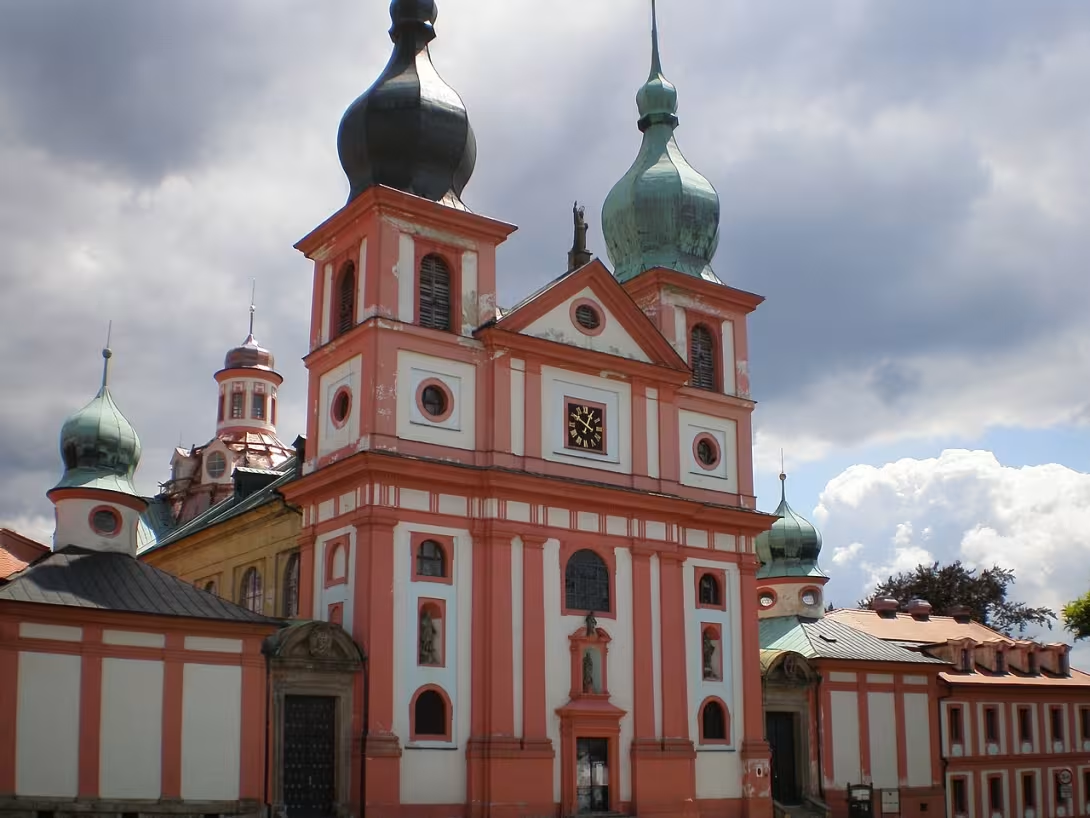

The historical appearance on the left is an AI-generated visualisation and serves as inspiration only.
Historical milestones
- 1341
- First written mention of the village Chlum Svaté Maří.
- 1383
- Donating land on a hill of Hlum order cruisers with a red star.
- 1400
- Construction of the first stone church and appointment of the first vicar.
- 1690
- The laying of the foundation stone to the new Baroque church.
- 1702
- The church's ceremonial consecration.
- 2018
- Declaration of the pilgrimage grounds for a national cultural monument.
Architectural development
A stone church was built in the place of the original wooden chapel around 1400, which was expanded on the south side between 1482- 1492. Between 1687 and 1728, a radical Baroque reconstruction took place, during which medieval towers were carried down and a new temple with dome and ambition was built.
Historical events
1429: Hussite attack and severe damage to the church. 1687: The promotion of the rectory to the probostacy by Jan Bedřich of Valdštejn. 2018: Declaration of the site for a national cultural monument.
Owners
Cruisers with Red Star (since 1383)
Points of interest
- The Church of the Assumption of the Virgin Mary and Saint Mary Magdalena owes its existence to the medieval tradition of pilgrimage which it uprooted in the 13th century. - The beginnings of the church are linked to the legend of the found statue of Madonna in the bushes by the road. - The first credible mention of the Hlum of St. Mary comes from the paper sources of 13 August 1383, when the building dedicated to the Virgin Mary was mentioned. - In 1429 during the Hussite wars, Hussite Chlum was attacked and the church was badly damaged. - The crucial moment occurred in 1687, when the Archbishop of Prague and the Grand Master of the Cruising Order Jan Bedřich z Valdštejna promoted the local rectory to probostness.
Guide
This guide is narrated by a synthetic voice generated by artificial intelligence.
Show guide text
This text was created by artificial intelligence and has not been editorially reviewed. It may contain inaccuracies.
Chlum Svaté Maří is a pilgrimage site in the Karlovy Vary region. Its center is formed by the Church of the Assumption of the Virgin Mary and Saint Mary Magdalene. The entire pilgrimage complex has been a national cultural monument since 2018.
Pilgrimages here began because of a Gothic statue of the seated Virgin Mary with the Christ Child. It was created around 1400 during the period of the beautiful style. However, according to records, the Madonna was already venerated here from the thirteenth century. According to legend, someone found her in the bushes by the roadside and took her home, but she returned to her original spot on her own. That is why they built a wooden shelter above it. By the end of the thirteenth century, it was replaced by a wooden chapel. A settlement grew up around it, which had no parish of its own, and so the chapel was cared for by the Knights of the Cross with the Red Star.
In 1383, the knight Heinrich of Reissengrün donated sixty acres of arable land on the Chlum hill to the order of the Knights of the Cross. Around 1400, a parish was established here, and the first parish priest was the Knight Johann Pichelmann. Around the same time, a stone church replaced the wooden chapel.
In 1429, Chlum was attacked by Hussites and the church was severely damaged. After the wars, it was restored, and between 1482 and 1492, it was expanded on the southern side. In the fifteenth century, Chlum became a significant pilgrimage site. In the sixteenth century, disputes connected with the Reformation reached here. Protestants attacked the town and temporarily installed their own preacher. Documents, church furnishings and valuables were then taken to Cheb, where the house in which they were stored burned down a few years later. Peace returned mainly after the Treaty of Westphalia was concluded in 1648.
A turning point came in 1687. At that time, the Prague archbishop and grand master of the Knights of the Cross, Jan Bedřich of Valdštejna, elevated the parish to a provostry. The old church and parish were then rebuilt into an extensive Baroque complex. Between 1687 and 1691, new front towers were built. The foundation stone of the new church, which incorporated the original chapel, was laid in May 1690. The presbytery was completed in 1694 and the dome over the crossing in 1697. The church was consecrated on May 11, 1702, and the oval chapel one day later. The longest to build was the cross passage of the cloister, between 1704 and 1722. The most significant building of this period was the three-winged large provostry, which was later followed by a Baroque garden.
Tips for visitors
The best time to visit the Church of the Assumption of the Virgin Mary and Saint Mary Magdalena in the Hlum of St. Mary is the spring or autumn period. During these months you avoid extreme temperatures for years and cold winter, which allows for more comfortable viewing and use of beautiful rural landscapes. Moreover, there are fewer visitors during these periods, which ensures a quieter atmosphere.
You can use public transport for convenient delivery; current connections and times can be found using an online search engine or mobile applications.
What to take with you: We recommend you not sleep on the site of a good tourist guide or use GPS navigation for historical information about the church. It is also advisable to carry sun protection and in case of cold days warm clothes. Also remember to drink, especially if you plan a long tour.
Photography: The church offers several views suitable for photography. The best light is usually in the evening or at the beginning and end of the day when the sun illuminates the temple from the side. The interior details, such as statues and frescoes, are also interesting, which can be captured in quiet moments without other visitors present.
What to visit in the area: In the vicinity of the church there is a pilgrimage route which is ideal for your visit. This path offers beautiful landscape views and a peaceful atmosphere suitable for relaxation after a tour of the temple. For families with children it is also a nice opportunity for a short walk in the countryside.
Frequently asked questions
Can the monument be visited?
Religious buildings are usually open mainly during services; at other times a visit is normally arranged with the parish or the operator. We have not verified specific times.
Where is the monument?
Location: Chlum Svaté Maří, Karlovarský kraj. The map on this page shows the exact spot.
Why is the monument protected?
It is listed in the Central List of Cultural Monuments of the Czech Republic as a national cultural monument (register no. 429).
For kids
Imagine going back to the past to the ancient Romans and Greeks. There was no church at the time. It was like a great wasteland full of forests, rivers and nomadic tribes.
But once a year, for example, traders came from a distance and sold their goods. One of them was a woman named Mary Magdalena. She was a woman with a big heart and she was loved by people all over town.
Legends say that one night she appeared in a church that was built up to 1800 years later (and he was standing here a long time ago). She was standing there alone talking to people from the future.
Businesses nearby
Do you run a restaurant, accommodation, shop, museum, rental, wellness or other visitor service near this monument? Show yourself directly to the people heading to it — this is how they will see you in the app and on the web:
Nearby
Monuments surroundings
Accommodation nearby
Trips and activities nearby
Guided tours, tickets and activities nearby from GetYourGuide
Affiliate link: if you buy from the partner, we may receive a commission. The price for you does not change.
Search tours and activities →Themed route
Thematic cruise route from St. Mary's Hlum
1. Kostel Nanebevzetí Panny Marie a svaté Máří Magdaleny (church) This church is the main destination of our route, located in the heart of the village Chlum Svaté Maří. It's a unique architectural monument whose history dates back to the Middle Ages. Visit the church for its rich history and beautiful interior frescoes.
2. St. John Nepomuk Chapel In approximately 500 metres from the main monument, this chapel is known for its peaceful atmosphere and beautiful outdoor environment. St. John Nepomuk's chapel is an ideal place for relaxation and meditation.
3. Local rectory A few hundred metres further there is a local rectory, which served as a centre of the community for centuries. It's a place full of history and culture where you can explore ancient documents and artistic elements.
4. Natural surroundings of the church The surrounding area around the church offers beautiful natural experiences. A walk in this quiet and green area is ideal for relaxing and enjoying views of the surrounding countryside.
This route offers visitors the opportunity to become acquainted with the history and culture of the Hlum St. Mary, all of which are located near the main monument.
Seasonal recommendations
Spring: In the spring, the Church of the Assumption of the Virgin Mary and Saint Mary Magdalena in the Hlum of St. Mary is transformed into a miracle of flowering nature. The open doors of the church celebrate a new life when the sun's rays intersect with trees and bushes that are beginning to bloom. The atmosphere is full of comfort and peace, which offers ideal conditions for visiting without excessive crowds. Although more tourists may appear at this time than in the winter months, it is advisable to visit the church early in the morning when the temperature is mild and natural lighting is the most beautiful. It is recommended to wear clothes in several layers because spring weather can be variable.
Summer: The Church of the Assumption of the Virgin Mary and Saint Mary Magdalena offers the best conditions for visiting thanks to long days and warm sunlight, which emphasizes architectural beauty. However, this time is also the main summer season for tourists, which means a higher number of visitors and the need to take a place inside the church. It is recommended to arrive early in the morning or later in the evening to avoid hot sun and crowds. Wearing light clothes and wearing sunglasses against the sun is also appropriate.
Autumn: In autumn, the Church of the Assumption of the Virgin Mary and Saint Mary Magdalena is transformed into melancholy beauty when tree leaves pass into golden and red shades. The atmosphere is calm and quiet, which offers ideal circumstances for relaxation and reflection in the historical environment of the church. The weather can be variable with cold winter winds, so it is advisable to prepare for a visit by wearing warm clothes and possibly an umbrella. This time of year offers a smaller crowd than in the summer months, allowing a more relaxed experience.
Winter: Winter visit to the Church of the Assumption of the Virgin Mary and Saint Mary Magdalena offers unique views where space is controlled by calm and peaceful lighting. Days are shorter and the church can be surrounded by snow or glacial money in winter months, adding romantic quality to architecture. At this time the opening time is shorter and the number of visitors usually smaller, so it is advisable to visit the church at noon to be sufficiently luminous. It is important to prepare for cold conditions by wearing warm clothes and perhaps protective shoes for snow ground.
Visualizations and artistic views


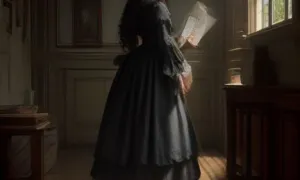
The visualisations are generated by artificial intelligence and serve as inspiration.
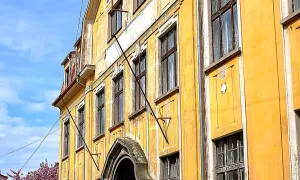
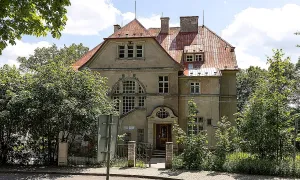
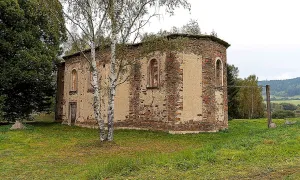
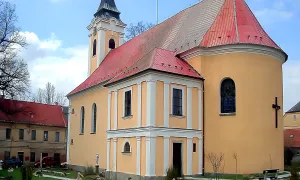
Photos from the area
Real photos taken near the monument


Zdroj a licence jsou uvedeny u každého snímku.
View from the area
This animation was generated by artificial intelligence from a real photograph of the surroundings. The motion and details are not real footage of the location.
Atmosphere of the place
This atmospheric visualisation of the place and period was generated by artificial intelligence. It is not real footage of the location.
Tips from visitors
No tips yet. Be the first!
Log in and add your tip.
Sources and literature
Photos: Zipacna1 / CC BY 3.0, rozlišení zvýšeno umělou inteligencí — Wikimedia Commons. The author and licence also appear when you hover over the image.
Faktickým podkladem tohoto textu byl článek na Wikipedii, jehož autory jsou přispěvatelé Wikipedie. Článek je dostupný pod licencí CC BY-SA 4.0.
Location on the map
Příběhy a pověsti
Legendy, pověsti a příběhy spjaté s touto památkou
Fotografie návštěvníků
Zatím žádné fotografie. Buďte první, kdo přidá fotografii z návštěvy!
Log in a přidejte svou fotografii nebo hodnoťte.
Za ověřenou návštěvu v aplikaci získáte víc bodů — poznáme podle GPS, že jste na místě.
Reviews and comments