






Kostel Všech svatých (Severní Předměstí) Church
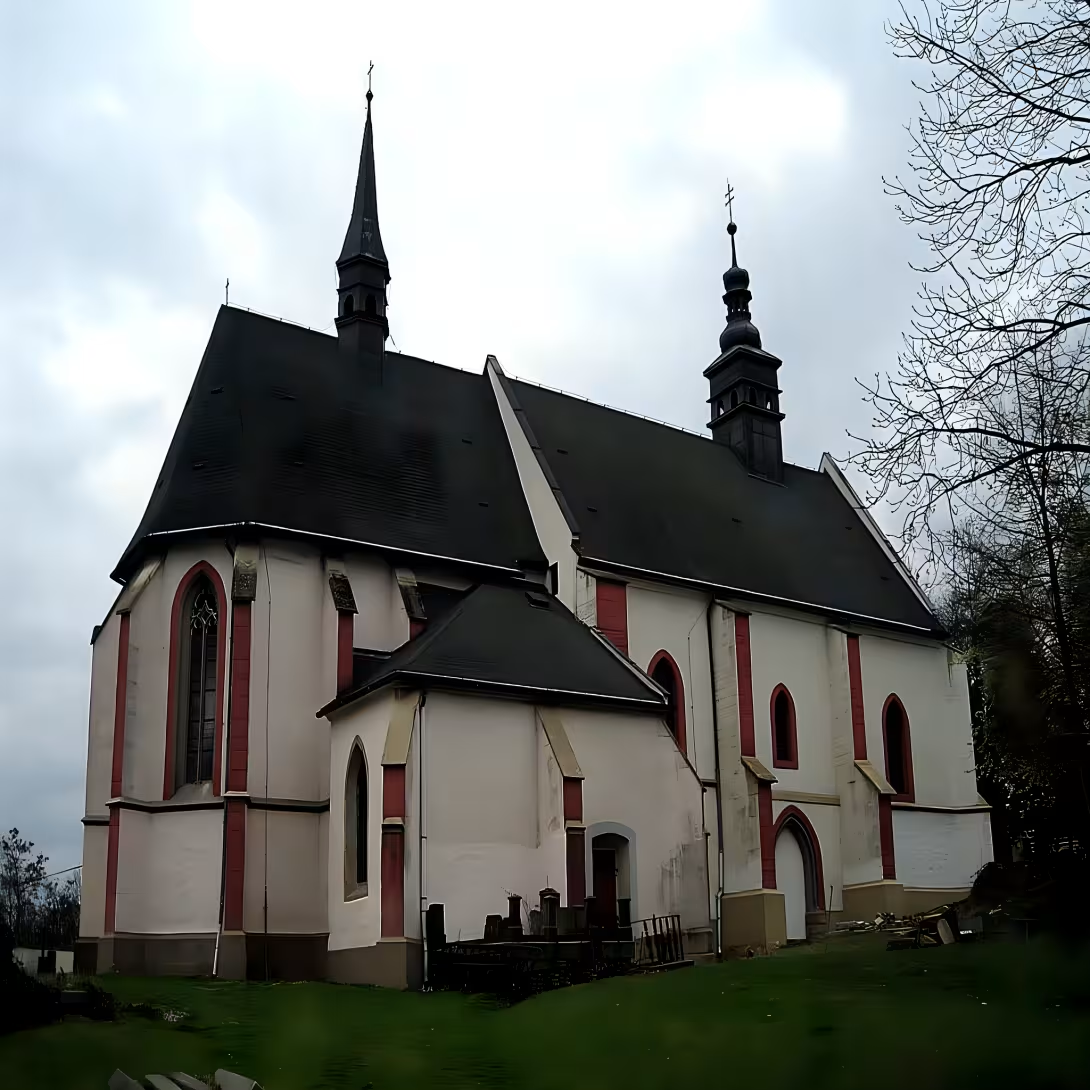
The Church of All Saints in Severní Předměstí, Plzeň, is one of the region's oldest churches, dating back to the 13th century. Originally Romanesque, it served as a central parish church for early villages like Malice and Záhorsko before St. Bartholomew's Cathedral was built. Over centuries, it witnessed significant events such as the Hussite Wars and underwent architectural transformations from Gothic to Baroque styles.
Constructed in the Romanesque style during the 13th century, by the early 14th century, German knights gained patronage rights over Plzeň churches, relegating All Saints' Church to a filial status under St. Bartholomew's. The Gothic reconstruction began around 1380, introducing elements like flamboyant tracery and semi-circular portals. In the late 16th century, the presbytery was vaulted in Renaissance style, with religious motifs painted on its walls by the early 17th century.
Architecturally, the Church of All Saints showcases a blend of styles over time. The exterior features a one-nave design with a polygonal five-sided closure at the eastern end. Its main entrance, located on the southern façade, displays late Baroque rounded windows framed by pilasters and a baluster entablature. Diagonal buttresses support the presbytery and nave, while Gothic tracery adorns the presbytery windows.
Throughout its history, the church experienced ownership changes and significant events. During the Hussite Wars in the mid-15th century, it suffered partial destruction but was reconsecrated by Bishop Mikuláš Molenotský in 1460. In 1743, a Baroque entrance hall was added to the south side of the nave. A notable discovery during reconstruction in 1991 revealed two metal cases containing documents and coins from 1938, along with a modern message for future generations.
Today, maintained by the Franciscans of Plzeň, the Church of All Saints stands as a historical monument reflecting Plzeň's rich architectural heritage. Its blend of Romanesque, Gothic, and Baroque elements makes it an intriguing site for visitors interested in history and architecture. The church's resilience through centuries underscores its cultural significance, inviting exploration and appreciation.
The Church of All Saints offers a unique glimpse into the historical and architectural evolution of Plzeň. Its storied past and enduring presence make it a must-visit destination for those exploring the layers of history within its walls.
Then and now
Drag the slider to compare how the landmark may have looked when it was built with the view today.
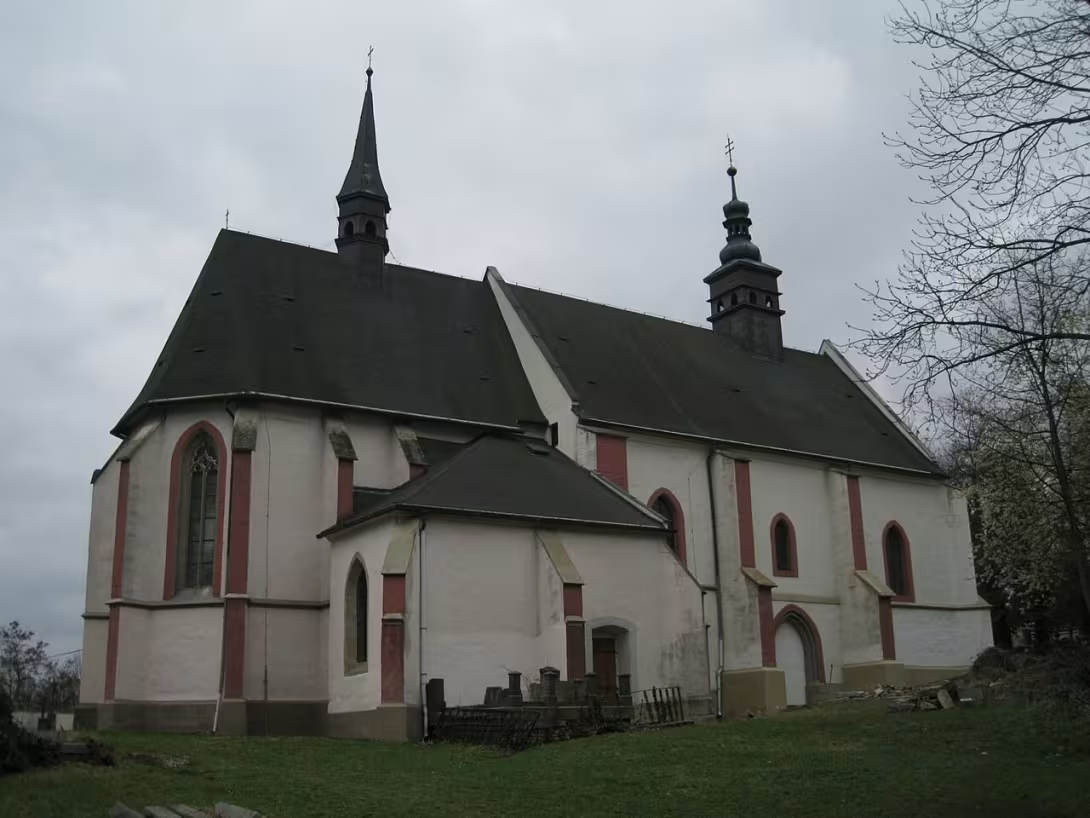
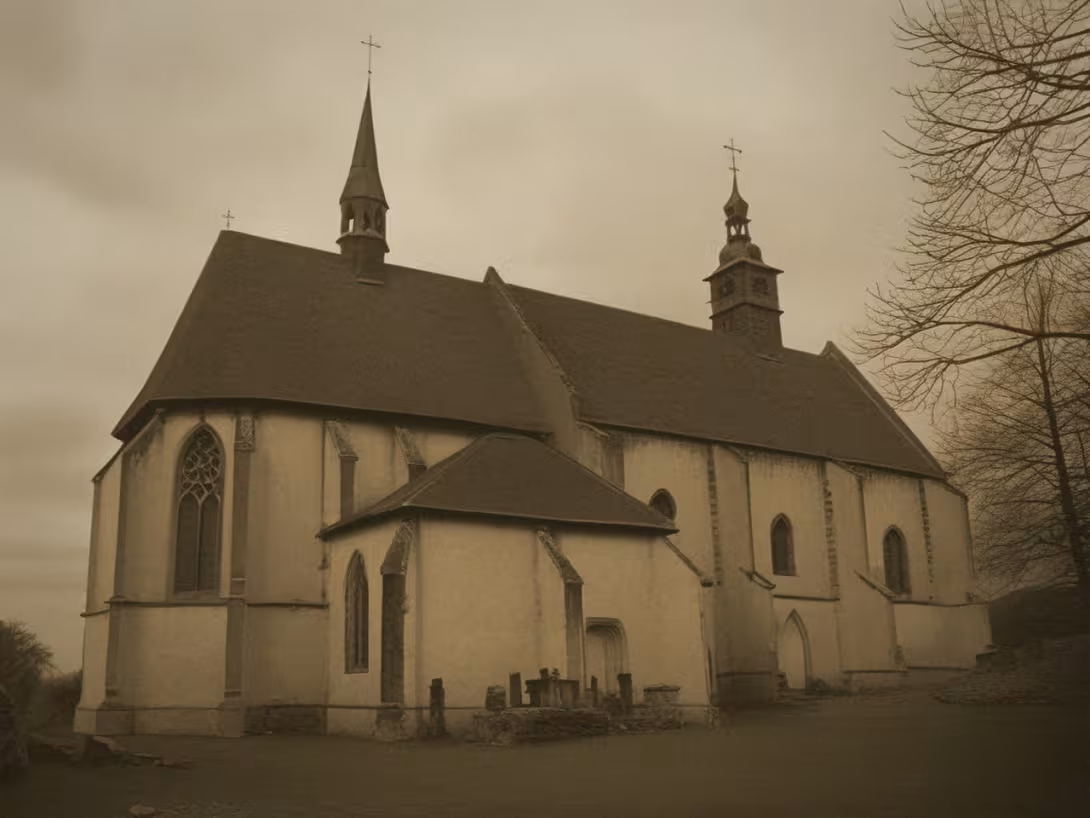
The historical appearance on the left is an AI-generated visualisation and serves as inspiration only.
Historical milestones
- 13th century
- Construction of the Church of All Saints in Romanesque style.
- early 14th century
- German knights gained patronage rights, church became a filial under St.
Architectural development
The Church of All Saints underwent several architectural phases starting from its Romanesque origins with remnants found in the sacristy. Around 1380, a significant Gothic reconstruction began, introducing elements like flamboyant tracery and semi-circular portals. In the late 16th century, the presbytery was vaulted in Renaissance style, and by the early 17th century, it featured religious motifs painted on its walls.
Historical events
In the early 14th century, German knights secured patronage rights over Plzeň churches, making All Saints' Church a filial church to St. Bartholomew's.
During the Hussite Wars in the mid-15th century, the church suffered partial destruction but was consecrated again by Bishop Mikuláš Molenotský in 1460.
Points of interest
- During the Hussite Wars in the mid-15th century, the Church of All Saints was partially destroyed but later reconsecrated by Bishop Mikuláš Molenotský in 1460, highlighting its resilience and importance during turbulent times.
- In a surprising discovery made in 1991, two metal cases were found hidden within the church's structure containing documents and coins from 1938, along with a modern message intended for future generations, adding an intriguing layer to its historical narrative.
Guide
This guide is narrated by a synthetic voice generated by artificial intelligence.
Show guide text
This text was created by artificial intelligence and has not been editorially reviewed. It may contain inaccuracies.
Welcome to the Church of All Saints in Severní Předměstí, a remarkable testament to Plzeň's architectural evolution and historical significance. As you stand here, surrounded by the serene aura of this ancient structure, take a moment to absorb its presence—a harmonious blend of Romanesque, Gothic, and Baroque elements that tell stories from centuries past.
The Church of All Saints dates back to the 13th century when it was originally constructed in the Romanesque style. Initially linked with the now-vanished villages of Malice or Záhoří, this church is among Plzeň's oldest, serving as a spiritual beacon through ages of change and turmoil.
As you look around, notice how the church has gracefully embraced Gothic influences over time. Around 1380, it underwent significant reconstruction featuring flamboyant tracery and semi-circular portals—a testament to the evolving architectural trends and craftsmanship of that era. The mid-15th century brought challenges during the Hussite Wars when parts of the church were destroyed. Yet, its resilience shone through as Bishop Mikuláš Molenotský reconsecrated it in 1460, reaffirming its importance.
Moving forward into the late 16th century, observe how the presbytery was vaulted in Renaissance style, with religious motifs delicately painted on the walls. These artistic elements reflect a period of renewal and cultural flourishing that left an indelible mark on this sacred space.
One intriguing story linked to this church is its survival through the Hussite Wars—a turbulent time when many structures were not as fortunate. The reconsecration by Bishop Mikuláš Molenotský in 1460 highlights both the resilience of the building and the community's dedication to preserving their spiritual heritage.
In a surprising discovery made in 1991, two metal cases were unearthed here, adding another layer of mystery to this historic site. While details remain elusive, such finds spark curiosity about what secrets might still lie hidden within or beneath its venerable walls.
As you continue your exploration, take time to reflect on the layers of history encapsulated in every stone and detail of this church. Let it inspire you with stories of resilience, artistry, and faith that have transcended centuries. We invite you to wander further, immerse yourself in its atmosphere, and perhaps uncover more hidden tales waiting to be discovered.
Thank you for joining us on this journey through time at the Church of All Saints. May your visit leave you enriched by history's enduring legacy.
Tips for visitors
The best time to visit the Church of All Saints is during late spring or early autumn, when the weather is mild and pleasant for exploring its architectural details. These seasons offer comfortable temperatures that enhance your experience while walking around the church grounds. Additionally, visiting outside peak tourist season can provide a more serene atmosphere, allowing you to appreciate the blend of Romanesque, Gothic, and Baroque elements without large crowds.
Parking and transportation options are convenient for those planning to visit the Church of All Saints in Severní Předměstí. There is parking available nearby, though it's advisable to check local resources or use a navigation app for precise locations. Public transport is also accessible; you can reach the church using regional bus services. For the most current routes and schedules, consult a transportation planner or search online.
When visiting this historical site, consider bringing comfortable walking shoes as there may be some uneven surfaces around the church area. A camera is recommended to capture the stunning architectural details of the building, especially during golden hour when natural light enhances the textures and colors. Additionally, carrying a small bottle of water and wearing layers can help you stay comfortable throughout your visit.
For photography enthusiasts, the best spots for capturing the Church of All Saints are from its front façade or slightly to the side where the interplay of light and shadow highlights its architectural features. Early morning or late afternoon provides the most flattering natural lighting conditions. Families with children can enjoy exploring the church grounds and learning about its history through available guides or informational plaques, making it an educational outing.
Nearby attractions within a 30-minute drive include the Plzeň Zoo, which offers a fun day out for families with various animal exhibits and interactive experiences. Another option is the Týn Church in the Old Town of Plzeň, known for its impressive Gothic architecture and panoramic views from its tower. These sites provide additional cultural insights into the region's rich history.
Businesses nearby
Do you run a restaurant, accommodation, shop, museum, rental, wellness or other visitor service near this monument? Show yourself directly to the people heading to it — this is how they will see you in the app and on the web:
Events nearby



Zdroj akcí: otevřená data měst a obcí ČR (Národní katalog otevřených dat) a kalendář akcí Národního památkového ústavu.
Accommodation nearby
Trips and activities nearby
Guided tours, tickets and activities nearby from GetYourGuide
Affiliate link: if you buy from the partner, we may receive a commission. The price for you does not change.
Search tours and activities →Themed route
Thematic Walking Tour: Discovering the Charm of Severní Předměstí
1. Kostel Všech svatých (Severní Předměstí) - Church Begin your journey at Kostel Všech svatých, a stunning example of Baroque architecture nestled in the heart of Severní Předměstí. This church is renowned for its intricate facade and richly decorated interior, featuring beautiful frescoes and altarpieces that reflect the artistic spirit of the 18th century. It's an ideal starting point to immerse yourself in the historical and cultural essence of this charming locale.
2. Místní park - Local Park A short walk from the church will lead you to a serene místní park, where nature meets history. This local park offers lush greenery, walking paths, and benches perfect for relaxation or contemplation. It's an excellent spot to enjoy the tranquility of Severní Předměstí while soaking in the natural beauty that surrounds this historic area.
3. Historické domy - Historic Houses As you continue your exploration, take a stroll through the quaint streets lined with historické domy, or historic houses. These buildings showcase traditional architecture and offer a glimpse into the past lives of the townspeople. Each house tells its own story, making this part of the tour an engaging walk through time.
4. Tradiční obchody - Traditional Shops Conclude your visit with a leisurely browse through tradiční obchody, traditional shops that line the main street near the church. These stores offer unique local products, from handcrafted goods to regional delicacies, providing a taste of Severní Předměstí's vibrant community spirit and craftsmanship.
This thematic walking tour encapsulates the essence of Severní Předměstí, blending history, nature, and culture in a delightful exploration.
Seasonal recommendations
Spring: The arrival of spring brings a gentle awakening to the Church of All Saints, with soft morning light filtering through its stained glass windows, casting vibrant hues across the interior. The surrounding landscape blooms into life, creating an idyllic setting for visitors who appreciate nature's renewal. This time is ideal for those seeking tranquility before the summer crowds arrive. As temperatures begin to rise, comfortable layers are recommended to accommodate fluctuating weather conditions. Early mornings offer a serene atmosphere with fewer visitors, making it perfect for appreciating the church’s architectural details without distraction.
Summer: Summer at the Church of All Saints offers vibrant energy and lush greenery in its surroundings, enhancing the historical site's beauty. The long daylight hours provide ample time to explore, but also mean that the church can become quite busy during peak tourist season. To avoid the largest crowds, consider visiting early in the morning or later in the afternoon when temperatures are milder. Light clothing is advisable due to warmer weather, and carrying a water bottle will help stay hydrated throughout your visit.
Autumn: Autumn transforms the Church of All Saints with its rich tapestry of colors as deciduous trees around it shed their leaves in hues of red, orange, and gold. The cooler temperatures create a crisp atmosphere perfect for leisurely exploration. This season is particularly magical during early morning visits when mist may linger over the landscape, adding an ethereal quality to your experience. Layered clothing is recommended to adjust to varying temperatures throughout the day, ensuring comfort as you admire the church's architecture against the backdrop of autumnal splendor.
Winter: Winter envelops the Church of All Saints in a serene blanket of snow and ice, creating a picturesque scene that highlights its Gothic features with stark beauty. The shorter days mean fewer visitors, providing an intimate experience to appreciate the quiet majesty of the site. However, it's important to dress warmly in layers and wear sturdy footwear for navigating potentially slippery paths. Visiting during daylight hours is advisable due to limited opening times, allowing you to fully enjoy the church’s tranquil charm amidst the winter landscape.
Visualizations and artistic views


The visualisations are generated by artificial intelligence and serve as inspiration.
Photos from the area
Real photos taken near the monument

Zdroj a licence jsou uvedeny u každého snímku.
Atmosphere of the place
This atmospheric visualisation of the place and period was generated by artificial intelligence. It is not real footage of the location.
Tips from visitors
No tips yet. Be the first!
Log in and add your tip.
Sources and literature
Fotografie: Mgr. Milan Zahn / CC BY-SA 3.0, rozlišení zvýšeno umělou inteligencí — Wikimedia Commons. The author and licence also appear when you hover over the image.
Faktickým podkladem tohoto textu byl článek na Wikipedii, jehož autory jsou přispěvatelé Wikipedie. Článek je dostupný pod licencí CC BY-SA 4.0.
Location on the map
More monuments – Severní Předměstí
Show all in the municipality
Příběhy a pověsti
Legendy, pověsti a příběhy spjaté s touto památkou
Příběh: Kostel Všech svatých (Severní Předměstí)
Bylo to v pondělí ráno, kdy Jakub zjistil, že jeho nohy již samy vedly kolem západní fasády kostela Všech svatých. Ranní mraky začínaly se rozplétat a slunce…
Číst příběh
Pověst: Kostel Všech svatých (Severní Předměstí)
Staří obyvatelé plzeňské čtvrti Roudná vyprávějí, že kostel Všech svatých na táhlé vyvýšenině nad městem nikdy nepatřil jen živým. Stojí tam od dob, kdy ješt…
Číst příběhFotografie návštěvníků
Zatím žádné fotografie. Buďte první, kdo přidá fotografii z návštěvy!
Přihlaste se a přidejte svou fotografii nebo hodnoťte.
Za ověřenou návštěvu v aplikaci získáte víc bodů — poznáme podle GPS, že jste na místě.
Reviews and comments