



Morový sloup Nejsvětější Trojice v Teplicích Plague column
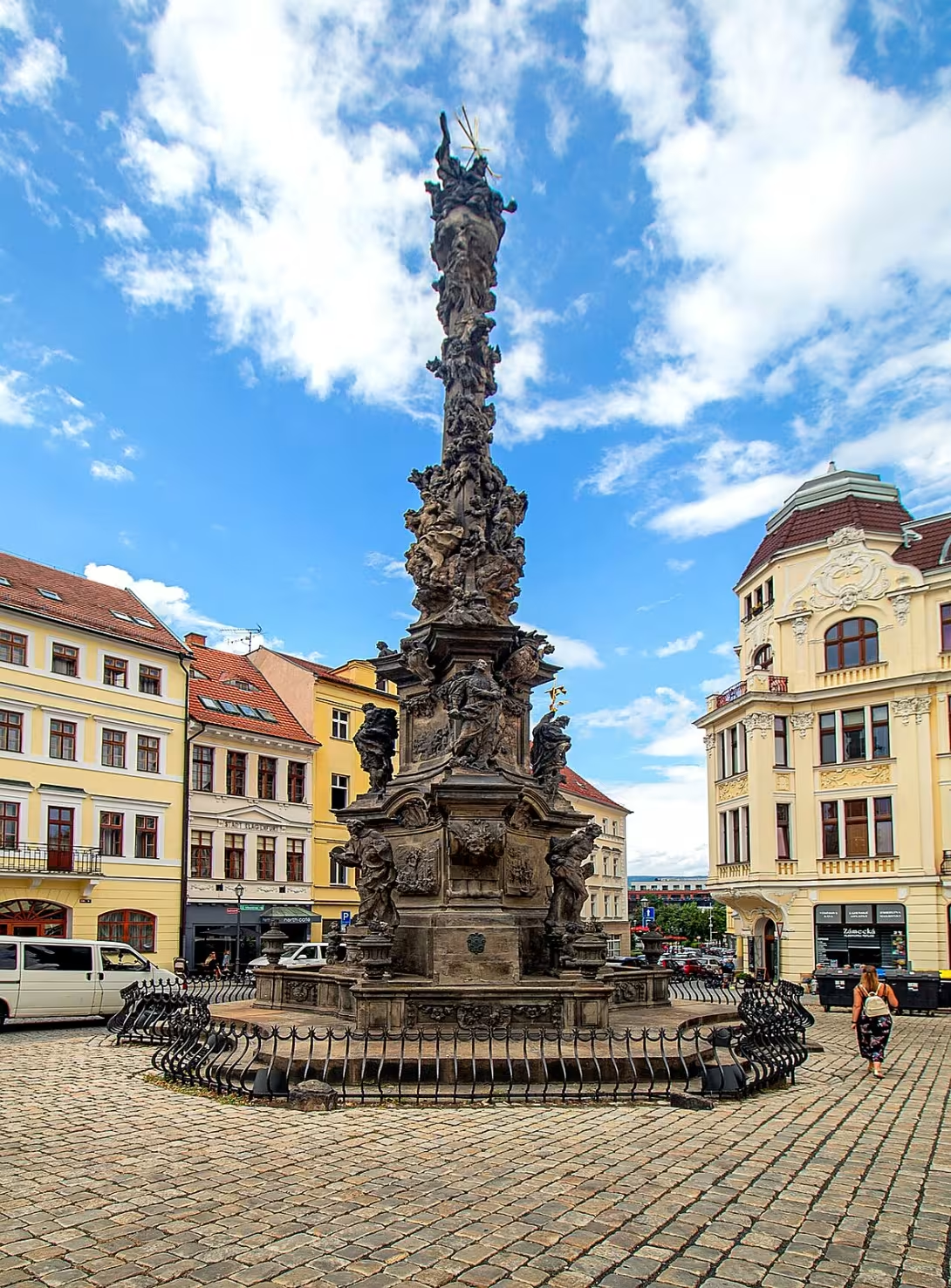
Morový sloup Nejsvětější Trojice v Teplicích is a baroque monument standing on Castle Square in North Bohemia Teplice, Ústecký region. It is registered as a cultural monument and represents an important historical and artistic object, built in 1718-1719. The column was erected as a thank you for the fact that the city escaped a plague epidemic in 1713, while at the same time as a symbol of the reconciliation of the four brothers of the Clary's House of Aldringen. The work was realized by Matyas Bernard Braun with the help of Teplice stonemason Baumel.
The creation of a pillar is closely linked to the early 18th century, when Europe faced the threats of plague epidemics. At that time, the Baroque was at the top of the flower in the Czech lands, which was reflected in architecture and sculpture. František Karel of Clary Closing Aldringen, owner of the estate, decided to build a pillar as a token of gratitude for the escape of Teplice from the plague and as a sign of reconciliation between his brothers.
Architectural is a baroque pillar. It was originally intended to be part of a fountain which was not implemented. On the warhead is a statue of God the Father with the Son and above them doves. On the perimeter they form the upper trio of St. Jerome with the skull and the Bible, St. Paul towards the house "Stadt Klagenfurt" and St. John the Baptist with the golden cross. The lower threes are patrons against the plague: St. Charles Boromei with a cardinal hat, St. Roch with a dog, and St. Shebestian with chains and pierced arrows. At the end of the 19th century, three original statues were replaced by copies; The originals are displayed in the Lapidarium at the castle in Duchcov.
The column stands today in Castle Square, which belongs to central Teplice. Its importance lies not only in artistic value but also in symbols and reminders of important events for the city. Although some elements have been exchanged over the years, the original concept and meaning have been preserved.
Pillar The Holy Trinity is open to visitors and is worth a tour not only because of historical and artistic importance, but also as part of the cultural heritage of the city. His presence in Castle Square gives this space a unique atmosphere and combines the past with the present. Visit the column and discover its history and baroque craft.
Historical milestones
- 1713
- Avoiding the plague of Teplice
- 1718-1719
- Building the column of Mathias Bernard Braun with the help of stonemason Baumel
Architectural development
The column was built in Baroque style. The original concept was to build a fountain. At the end of the 19th century, three of the original statues were replaced by copies.
Historical events
1713: The plague has avoided Teplice. 1718-1719: Building a column.
Points of interest
- A plague column The Holy Trinity was built to thank the city of Teplice for escaping the plague epidemic in 1713. - The column represents a symbol of reconciliation between the four Clary Brothers of the genus Aldringen. - The work was carried out by Matyas Bernard Braun and Teplice stonemason Baumel in 1718-1719. - Originally, the column was to be part of a fountain which was not implemented; On the warhead is a statue of God the Father and above it a dove. - The upper trinity of St. Jerome with the skull and the Bible, St. Paul towards the house "Stadt Klagenfurt" and St. John the Baptist with the golden cross.
Guide
Show guide text
This text was created by artificial intelligence and has not been editorially reviewed. It may contain inaccuracies.
Welcome to Teplice, Castle Square, where you are now in front of one of the most remarkable baroque monuments in this area. You are standing in front of the Pestilence of the Holy Trinity, which will deprive you of your amazement with its history and architecture. Look up at this impressive monument, whose sculpture complexity and symbolism are irresistible to you.
Let's dive into the history of this column. In 1713 the city of Teplice escaped a plague epidemic, which was a great relief and a cause for thanks to the people. As a result of this event, in 1718-1719 this pillar was built as a symbol of gratitude and as a reminder of reconciliation between the four brothers of the Clary-Aldringen family. The work was created in the famous workshop of Matyas Bernard Braun with the help of stonemason Baumel, which contributed to his unique artistic character.
Now pay attention to the architecture and details of the column. Notice the sculptures that represent the Holy Trinity - the Father, the Son and the Holy Spirit. These elements are carved with extraordinary artistic skills, which is proof of the mathias of Bernard Braun and his team. The column boasts rich ornament and symbolism that are characteristic of Baroque style.
Let's see the key stories associated with this monument. Here there is a conflict between the four brothers of the Clary-Aldringen family, who eventually reconciled and dedicated this column as a sign of their reconciliation. František Karel z Clary-Aldringenu is one of the fundamental personalities associated with this historic event.
The interesting thing about this column is that it represents not only proof of the art championship, but also a symbol of hope and reconciliation. It is fascinating to realize how one historic event could lead to the creation of such a beautiful and full of the importance of the work of art.
Invitation to explore further Let us say goodbye to this column, which is not only a monument to the past, but also a source of inspiration and comfort. I hope this visitor story has moved you to further discover what Teplice has to offer. Thank you for your attention and have a nice day!
Tips for visitors
Best time to visit the Pillar Pillar The Holy Trinity in Teplice is an early morning or evening when there are fewer people and the light is pleasant. In these hours, the Baroque architecture of the column is particularly bright.
When visiting, take a suitable suit with you, especially if you visit at a colder time of the year. It is also important to have protective sunglasses and umbrella with you, because the weather can suddenly be variable.
For photographing the Pillar Plate The Holy Trinity is the best place before the monument itself, where its details and architecture stand out. Preferably choose the time near dawn or sunset for the sweetest light.
There are other attractions in the vicinity of Castle Square, where the Platoon is built. Visit Teplice Castle, which is a beautiful Baroque building overlooking the city and surrounding landscape.
Frequently asked questions
Can the monument be visited?
This is a structure in a public space that can usually be seen from outside free of charge. We have not verified that this particular one is freely accessible.
Where is the monument?
Location: Teplice. The map on this page shows the exact spot.
Why is the monument protected?
It is listed in the Central List of Cultural Monuments of the Czech Republic as a cultural monument (register no. 1000154642).
Businesses nearby
Do you run a restaurant, accommodation, shop, museum, rental, wellness or other visitor service near this monument? Show yourself directly to the people heading to it — this is how they will see you in the app and on the web:
Nearby
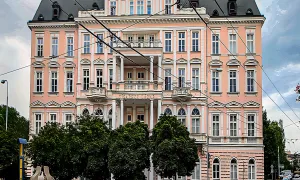
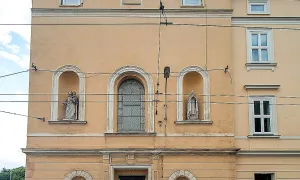
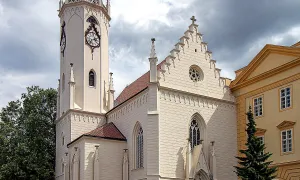
Zámecké náměstí v Teplicích.
Accommodation nearby
Trips and activities nearby
Guided tours, tickets and activities nearby from GetYourGuide
Affiliate link: if you buy from the partner, we may receive a commission. The price for you does not change.
Search tours and activities →Themed route
1. Castle Square in Teplice Type: square Why: Spacious center of the city, which serves as the entry point of the journey.
Morový sloup Nejsvětější Trojice v Teplicích Type: monument Why: The main objective of the visit, which represents an important historical monument.
3. The immediate surroundings of the Pillar Pillar Type: area Why: A place for detailed examination of sculptures and architecture of the monument.
Seasonal recommendations
Spring: In the spring period, Morový sloup Nejsvětější Trojice v Teplicích is transformed into a special place thanks to flowering bushes and trees that revive the surrounding park. Sun rays illuminate the statue under new leaves, creating an attractive atmosphere for visitors. It is recommended to visit the memory at the beginning of the day when crowds are less burdensome and it is possible to enjoy quiet moments with natural background. Due to the alternating weather, it is recommended to wear layered clothing to allow a rapid temperature adjustment.
Summer: The Morový sloup Nejsvětější Trojice v Teplicích is a popular destination for tourists thanks to the long hours today and the bright sun, which illuminates the statue particularly breathtaking. A high return of visitors is expected during this period, which may lead to tightness on the popular route. It is advisable to visit the memory earlier by day and bring protective sun creams against UV radiation. The warm clothes with a light view are ideal for a comfortable walk.
Autumn: In autumn the Morový sloup Nejsvětější Trojice v Teplicích offers a unique view of the golden and red leaves that accumulate around the statue. Sunshine is less intense, contributing to a quiet atmosphere suitable for relaxation and reflection. Visitors are advised to come between the main tourist peaks to enjoy a moderate crowd load. Clothes should be suitable for colder weather and rain.
Winter: In winter Morový sloup Nejsvětější Trojice v Teplicích becomes romantic, when the statue is illuminated by light and the surrounding landscape is controlled by snow sheets. The short length of the day and cold temperature mean shorter opening times of the sights, but also fewer visitors. Visitors are advised to wear warm clothes and protective shoes to enjoy a walk without discomfort. Early arrival is suitable for maximizing the time spent in this beautiful winter atmosphere.
Visualizations and artistic views

The visualisations are generated by artificial intelligence and serve as inspiration.
Photos from the area
Real photos taken near the monument


Zdroj a licence jsou uvedeny u každého snímku.
Tips from visitors
No tips yet. Be the first!
Log in and add your tip.
Sources and literature
Photos: VitVit / CC BY-SA 4.0 — Wikimedia Commons. The author and licence also appear when you hover over the image.
Faktickým podkladem tohoto textu byl článek na Wikipedii, jehož autory jsou přispěvatelé Wikipedie. Článek je dostupný pod licencí CC BY-SA 4.0.
Location on the map
Příběhy a pověsti
Legendy, pověsti a příběhy spjaté s touto památkou
Fotografie návštěvníků
Zatím žádné fotografie. Buďte první, kdo přidá fotografii z návštěvy!
Log in a přidejte svou fotografii nebo hodnoťte.
Za ověřenou návštěvu v aplikaci získáte víc bodů — poznáme podle GPS, že jste na místě.
Reviews and comments