



Sedm zastavení bolesti Panny Marie v Českém Krumlově Way of the cross
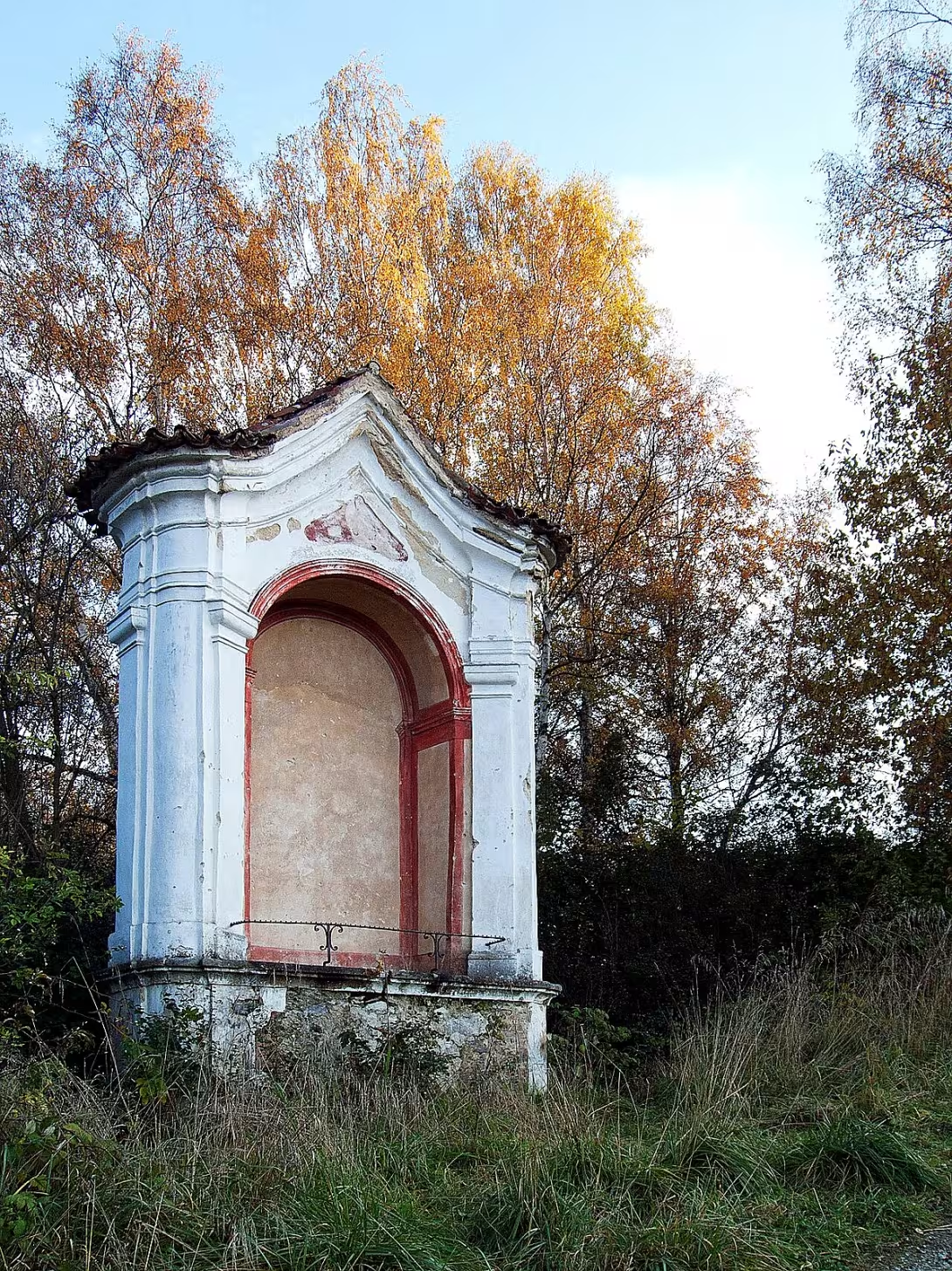
Sedm zastavení bolesti Panny Marie v Českém Krumlově consists of a baroque set of six walled niche chapels and the final chapel at the top of the Cross Mountain in the city area Horní Brána. This pilgrimage journey from the middle of the 18th century serves to worship the seven pains of the Virgin Mary and represents an important element of Krumlov's sacral architecture.
The creation of the monument is related to the baroque development of pilgrimage and the influence of Jesuit Order in Czech countries. In 1650, Jesuit preacher Michal Koppe erected a Spanish wooden cross on the Cross Mountain, in which the sum of the Holy Cross was planted. This object was meant to protect the city from adverse weather and natural disasters.
The cross was repaired in 1701. At the defeat of the tree, his tribe divided into three parts which correspond exactly to the size of the Spanish cross. A new cross was made of this wood and a small wooden chapel was built. At this time, the Krumlov township joined them by setting up three stops to the Cross Road.
The current form of the complex was created in 1740-1753. As part of the repair of the pilgrimage site, the original stop with sculpture decoration was replaced by six new walled niche chapels. These chapel painted František Jakub Prokyš. The route leads from the city centre through the city area Horní Brána through the streets of Detour, Crožová and U sled railway to the top of the mountain.
The ensemble closes the chapel of the Virgin Mary of the Painful and Holy Cross at the top of the Cross Mountain. On her main altar, the figure of Christ was placed in her grave during Easter.
Six niche chapels are today protected as a real-estate cultural monument. Since 1991, there has been a pilgrimage here every year on September 14, on the Day of the Holy Cross. The chapel on top of the mountain has been reaccessible since 2016 on weekends, holidays and selected weekdays.
This monument represents an authentic testimony of Baroque spirituality and traditions of Český Krumlov. Visiting the trip offers the opportunity to explore the historic edges of the city and end the exit at the chapel on top of the Cross Mountain.
Then and now
Drag the slider to compare how the landmark may have looked when it was built with the view today.
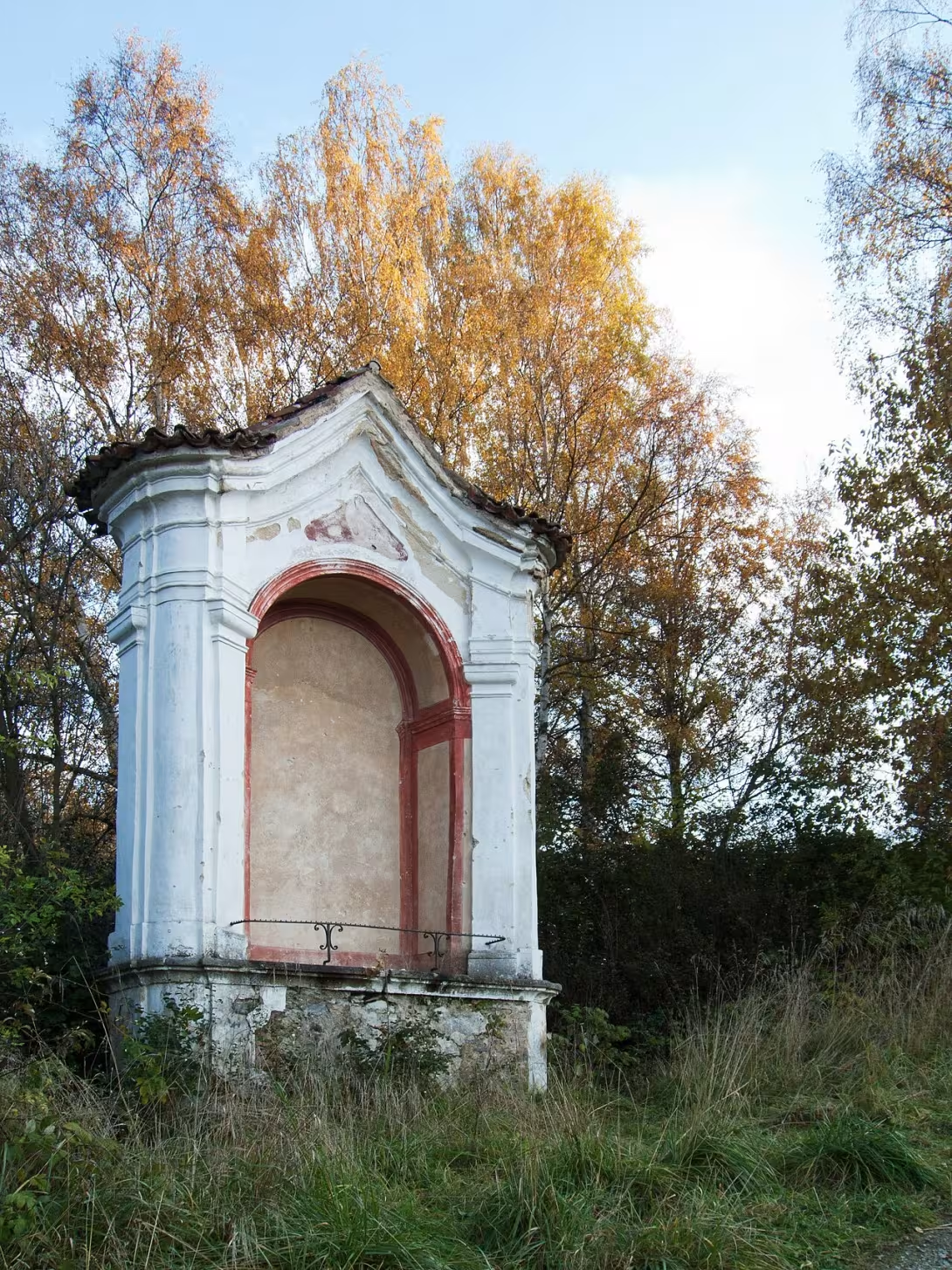
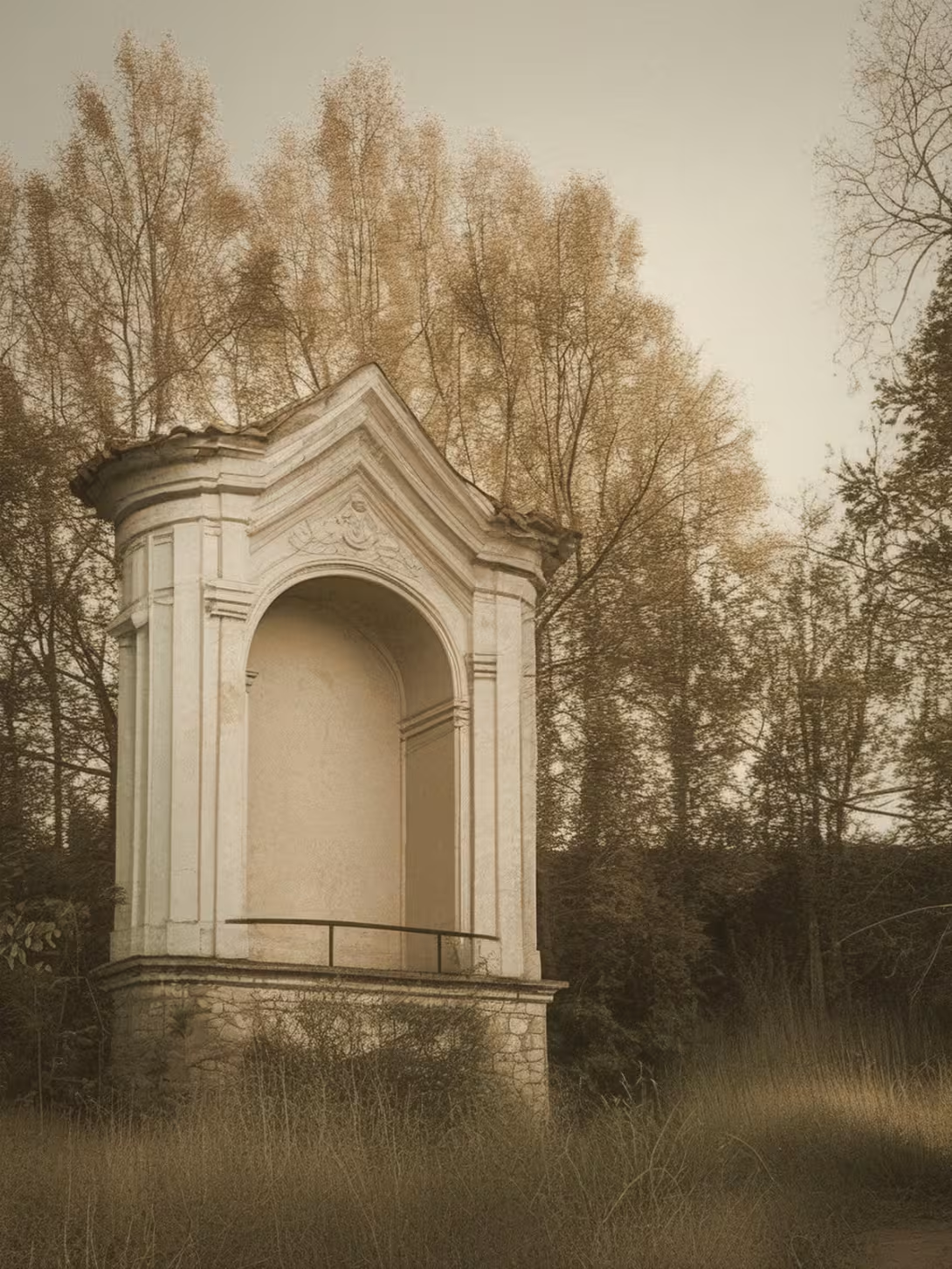
The historical appearance on the left is an AI-generated visualisation and serves as inspiration only.
Historical milestones
- 1650
- Jesuit preacher Michal Koppe had the Spanish wooden cross erected.
- 1701
- Fix the cross, build a small wooden chapel and set up three stops to the Cross Way.
- 1740-1753
- Construction of six new chapel with paintings by František Jakub Prokyš.
- 1991
- The renewal of the annual pilgrimage to the chapel of the Virgin Mary the Painful.
Architectural development
Originally formed a set of wooden cross and a small chapel with three stops. In 1740-1753, the original stops were replaced by six walled wedges which were painted by František Jakub Prokyš.
Historical events
In 1650 a Spanish cross was erected, in 1740-1753 new chapel was built and since 1991 a pilgrimage has been held here every year.
Points of interest
- The set consists of six gimped niche chapels and the final chapel at the top of the Cross Mountain. - In 1650, Michal Koppe built a Spanish wooden cross with the sum of the Holy Cross to protect the city from natural disasters. - When repaired in 1701, the tribe of the defeated tree divided into three parts which correspond exactly to the size of the Spanish cross. - Six niche chapels painted by František Jakub Prokyš. - On the main altar of the chapel at the top of the mountain, the figure of Christ was placed in the grave during Easter.
Guide
Show guide text
This text was created by artificial intelligence and has not been editorially reviewed. It may contain inaccuracies.
Welcome! You are standing here in front of a unique monument - the Seven Stops of the Pain of the Virgin Mary in Český Krumlov. This historic complex is located at the Upper Gate and its route is via the street Detour, Křížová and U sled railway. Originally there was a Spanish wooden cross and a small chapel, which, over time, turned into the current seven chapels, built in the form of walled niche with the final chapel at the top of the Cross Mountain.
Let's go into history. In 1650, Jesuit preacher Michal Koppe built a Spanish wooden cross to protect the city from natural disasters. The cross was later repaired in 1701 and a small wooden chapel was established with it, which started the first three stops of the Cross Way. In 1740-1753 six new brick chapels were built with paintings by František Jakub Prokyš, who managed to capture the pain and hope of the Virgin Mary.
Look up at these seven niche chapels. Although architects are not known, each chapel bears its unique character and atmosphere. Notice their walled facade that attracts you inside and offers room for reflection. Each chapel is a small oasis of peace and concentration, perfectly designed to create a sense of calm and deep thinking.
Among the historical personalities associated with this monument is Michal Koppe, whose initiative laid the foundations for this pilgrimage place. František Jakub Prokyš then contributed his artistic talent to the chapel with coloured paintings.
The interesting thing is that in 1701 the tribe of the defeated tree split into three parts. This natural miracle was considered a mark and gave reason to hope even in times of greatest trials.
Now that you've learned about the history and beauty of these chapels, we're going to invite you to explore their other angles. Every stop will offer a new perspective on how pain is associated with hope and faith.
Thank you for your visit to the Seven Stopping Pain of the Virgin Mary in Český Krumlov. We hope that you enjoyed your walks between these capsules and bring with you a new sense of calm and a view of history. Let this pilgrimage continue to illuminate you!
Tips for visitors
For the best experience we recommend a visit in the morning or at sunset. In these times the light is softer, which is ideal for the spiritual atmosphere of the place, while avoiding the biggest crowds of tourists.
Transport to the place is possible by car and public transport.
When walking along the way to stop, we recommend to bring comfortable shoes, plenty of drinking water and possibly a layer of clothing in case of sudden change of weather. The road leads on a more demanding terrain, so it is suitable for quality shoes.
For lovers of photography are the best places near the individual walled niche chapels and especially from the top, from where is a beautiful view. The best light for architecture and landscape images can be found during morning or late afternoon hours.
In the surroundings you can visit Cross mountain or go to the center of Český Krumlov. For families with children it is interesting to walk around nature, but it is necessary to assume that the journey requires a certain level of movement in the field and suitable shoes for the smallest.
Frequently asked questions
Can the monument be visited?
This is a structure in a public space that can usually be seen from outside free of charge. We have not verified that this particular one is freely accessible.
Where is the monument?
Location: Horní Brána, Jihočeský kraj. The map on this page shows the exact spot.
Why is the monument protected?
It is listed in the Central List of Cultural Monuments of the Czech Republic as a cultural monument (register no. 1681057903).
Businesses nearby
Do you run a restaurant, accommodation, shop, museum, rental, wellness or other visitor service near this monument? Show yourself directly to the people heading to it — this is how they will see you in the app and on the web:
Events nearby
Zdroj akcí: otevřená data měst a obcí ČR (Národní katalog otevřených dat) a kalendář akcí Národního památkového ústavu.
Nearby
Cross Mountain, downtown Český Krumlov.
Accommodation nearby
Trips and activities nearby
Guided tours, tickets and activities nearby from GetYourGuide
Affiliate link: if you buy from the partner, we may receive a commission. The price for you does not change.
Search tours and activities →Themed route
Thematic cruise route from Český Krumlov
1. Seven Stopping Pain of the Virgin Mary (Chapel) * Type: * Chapel This chapel is a unique monument that reminds us of the fatal journey of Our Lady to Golgotha. It is located in the picturesque village of Horní Brána and offers a quiet place for meditation and rest.
2. Cross Mountain * Type: * Chapel and postcards After visiting the chapel, go to the Cross Mountain where you will find a small chapel with a view of Český Krumlov. It's a place full of peace and beauty, ideal for relaxing on the way.
3. City center Český Krumlov * Type: * Historical Center Visit the historical centre of Český Krumlov, which is bounded by Vltava waters and steep rocks. Walk the streets with Gothic houses and beautiful architecture, which tells much about the history of this area.
4. Water Castle Český Krumlov * Type: * Castle Although it is not in the direct vicinity of the chapel, Water Castle is an essential part of the city visit. Its beautiful castles and parks offer a view of the whole center and are an ideal end for your route.
5. Church of St. Lawrence * Type: * Church A useful conclusion of the trip can be a visit to the church of St. Lawrence, located in the heart of the city. Its rich history and architecture attract many visitors every year.
This route offers a combination of spiritual, cultural and beautiful views that allow you to explore the best parts of Český Krumlov.
Seasonal recommendations
In spring nature flourishes around the chapel and the Upper Gate, creating a fresh and optimistic atmosphere. The soft spring light highlights the details of stone and facades beautifully. I recommend wearing more layers of clothing because the weather is variable. It is an ideal time for quieter walks in front of the main wave of visitors.
The summer season brings rich green vegetation and sharp sun that hits historical walls. The atmosphere is full of energy, but accompanied by a large number of people. To avoid the biggest crowds, visitors should arrive first thing in the morning. Light, breathable clothes and sun protection are suitable.
Autumn leaves around the monuments create a color contrast with the grey stone of the Upper Gate. Fogs and muted colors give the place a mysterious and melancholy touch. It is practical to wear moisture resistant shoes and a warm sweater. Visitors are dropping, so we should leave in the afternoon.
In winter, stopping the pain of the Virgin Mary in silence and frost is very gripping, especially if the landscape is covered with snow. Short days and evening lighting give the sights an intimate character. It is necessary to have very warm clothes and thermolingerie. Shorter opening times at advent time should be envisaged.
Visualizations and artistic views


The visualisations are generated by artificial intelligence and serve as inspiration.
Photos from the area
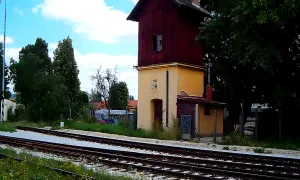
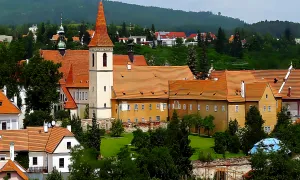
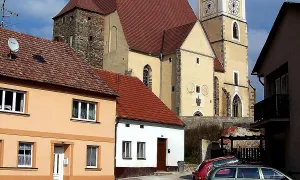
Real photos taken near the monument


Zdroj a licence jsou uvedeny u každého snímku.
Tips from visitors
No tips yet. Be the first!
Log in and add your tip.
Sources and literature
Photos: Czeva / CC BY-SA 3.0 — Wikimedia Commons. The author and licence also appear when you hover over the image.
Faktickým podkladem tohoto textu byl článek na Wikipedii, jehož autory jsou přispěvatelé Wikipedie. Článek je dostupný pod licencí CC BY-SA 4.0.
Location on the map


Příběhy a pověsti
Legendy, pověsti a příběhy spjaté s touto památkou
Fotografie návštěvníků
Zatím žádné fotografie. Buďte první, kdo přidá fotografii z návštěvy!
Log in a přidejte svou fotografii nebo hodnoťte.
Za ověřenou návštěvu v aplikaci získáte víc bodů — poznáme podle GPS, že jste na místě.
Reviews and comments