






Valdštejnská zahrada Park
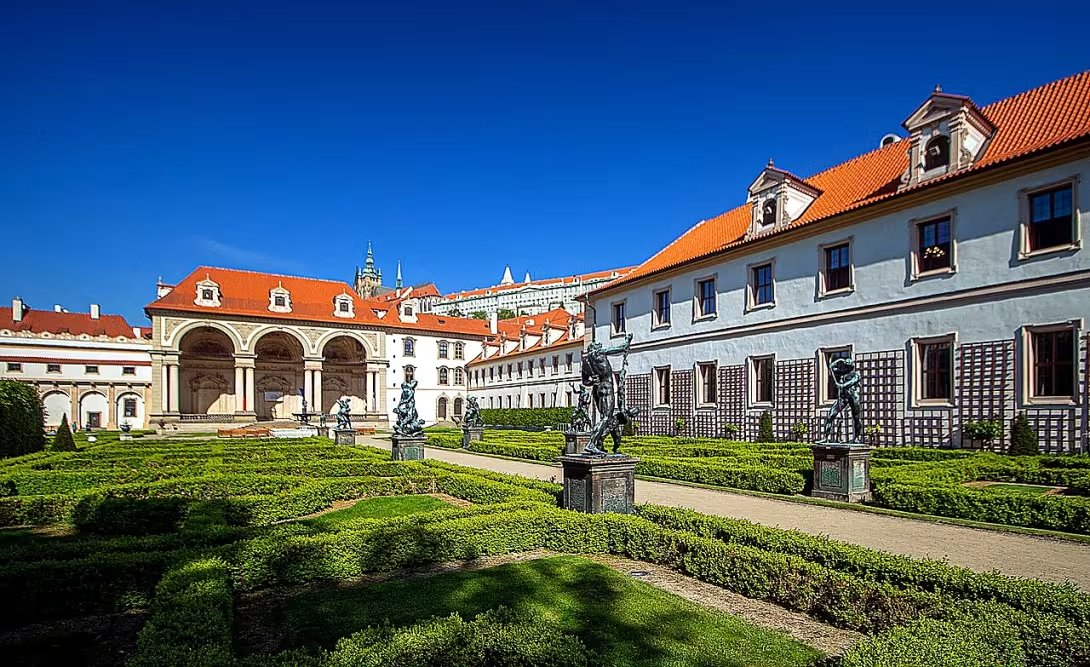
Valdštejnská zahrada, located in Prague's Malá Strana district, exemplifies early Czech Baroque architecture. As part of the Valdštejn Palace complex and serving as the seat of the Senate of the Parliament of the Czech Republic, this garden features an Italian-style design with clipped hedges, water elements like basins and fountains, sculptural decorations, and a grotto wall. It occasionally hosts concerts and exhibitions, offering visitors a unique blend of historical architecture and cultural events.
The origins of Valdštejnská zahrada trace back to the early 17th century when it was constructed alongside the Valdštejn Palace. Commissioned by Albrecht von Wallenstein, the garden initially reflected an Italian Baroque style with structured layouts and clipped hedges. This period coincided with Bohemia's significant role within the Holy Roman Empire under Habsburg rule, marked by religious conflicts leading up to the Thirty Years' War.
Architecturally, Valdštejnská zahrada underwent several transformations over the centuries. In the 18th century, it adopted a more natural style, diverging from its original structured design. However, reconstructions in the mid-20th century (1950s and 1990s) aimed to restore the garden's appearance closer to its initial Baroque concept. The garden is divided into several sections, with a notable sala terrena on the eastern side and an artificial pond featuring a Hercules statue on the opposite end.
The ownership of Valdštejnská zahrada has remained consistent since its inception as part of the Valdštejn Palace complex. Today, it functions within the Czech Republic's parliamentary facilities, maintaining its historical significance while serving contemporary administrative purposes.
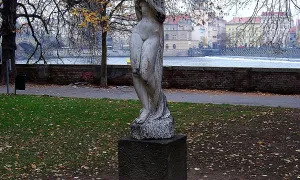
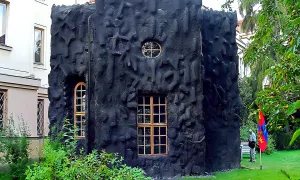
Throughout its history, Valdštejnská zahrada has witnessed various key events and curiosities. Notably, copies of sculptures by Adrian de Vries, originally looted in the 17th century, were added to the garden in the early 20th century. These works, including figures like Adonis and Venus, Apollo, Bacchus, and others, are significant for their artistic value and historical context. Additionally, a unique artificial grotto wall with caves and an aviary housing exotic birds adds to the garden's allure.
Today, Valdštejnská zahrada remains accessible to the public, offering a serene environment amidst Prague's bustling cityscape. Its blend of architectural beauty, historical significance, and natural elements makes it a worthwhile visit for anyone interested in Baroque art and history. Visitors can explore its richly decorated spaces, enjoy the tranquil pond area, and appreciate the diverse plant life that enhances the garden's charm. This historic site invites exploration and reflection, providing a unique glimpse into Prague's cultural heritage.
Then and now
Drag the slider to compare how the landmark may have looked when it was built with the view today.
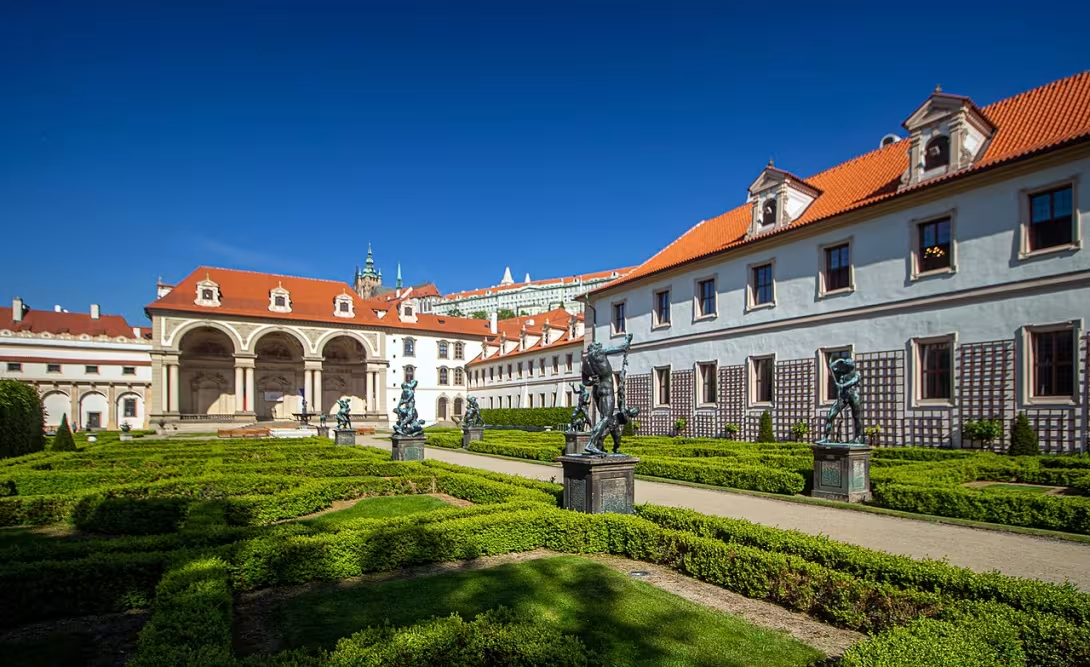
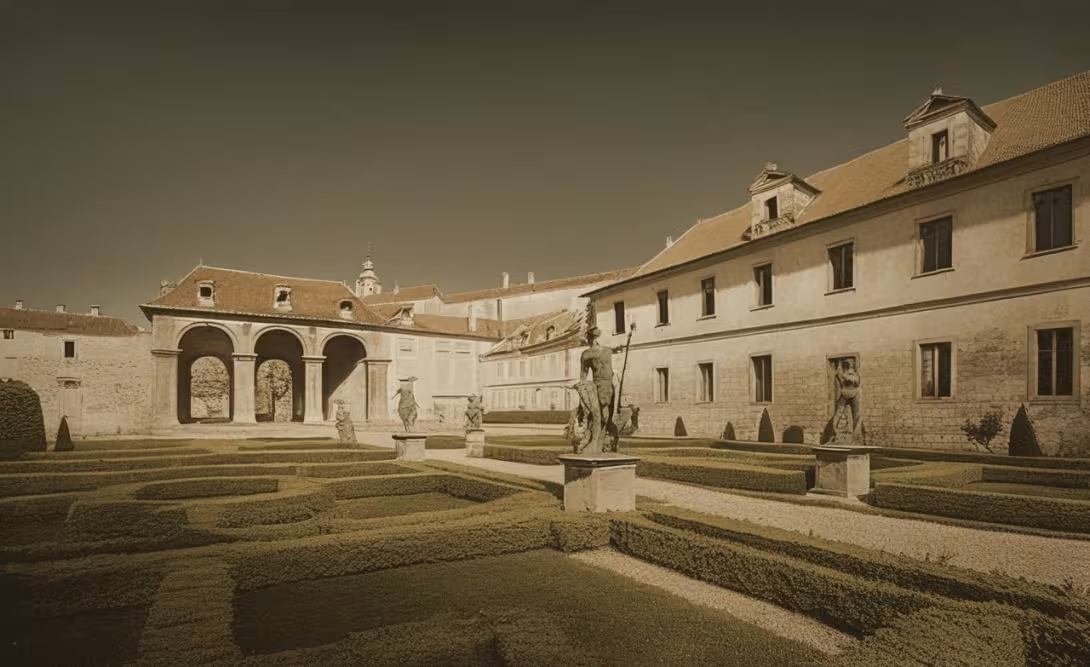
The historical appearance on the left is an AI-generated visualisation and serves as inspiration only.
Historical milestones
- 17th century
- Construction of the garden alongside Valdštejn Palace.
- 18th century
- Transformation into a more natural style.
- 1950s and 1990s
- Reconstructions to restore original Baroque design.
Architectural development
Valdštejnská zahrada was originally designed in an Italian Baroque style, featuring a structured layout with clipped hedges. Over time, it evolved into a more naturalistic form during the 18th century. Significant reconstructions in the mid-20th century aimed to restore its original Baroque design.
Historical events
The garden was constructed concurrently with the palace in the early 17th century.
In the 18th century, it underwent modifications to adopt a more natural style.
Reconstructions in the mid-20th century (1950s and 1990s) restored its appearance closer to the original design.
Owners
Originally commissioned by Albrecht von Wallenstein in the early 17th century, the garden has been part of the Valdštejn Palace complex since its inception. It is currently maintained as part of the Czech Republic's parliamentary facilities.
Points of interest
- The Valdštejnská zahrada was originally designed to complement the grandeur of the nearby Valdštejn Palace, reflecting Albrecht von Wallenstein's ambition and status during a tumultuous period in Bohemian history.
- Despite being reconstructed multiple times, one of the garden’s most intriguing features is its artificial grotto wall with caves, which was inspired by Renaissance and Baroque traditions that sought to blend artifice with nature seamlessly.
- In an interesting twist of fate, sculptures originally looted from Prague during Wallenstein's era were replaced in the early 20th century with copies. These replicas, including figures like Adonis and Venus, Apollo, and Bacchus, serve as a reminder of both cultural loss and restoration efforts.
- The garden’s sala terrena is not only an architectural marvel but also served historically as a social hub where political discussions and gatherings took place, adding to its historical significance beyond mere aesthetics.
- Although primarily known for its Baroque style, the Valdštejnská zahrada has hosted various cultural events over the years, including concerts and exhibitions, which highlight its ongoing role in Prague's vibrant cultural scene.
Guide
This guide is narrated by a synthetic voice generated by artificial intelligence.
Show guide text
This text was created by artificial intelligence and has not been editorially reviewed. It may contain inaccuracies.
Welcome to the Valdštejnská zahrada, a hidden gem nestled in Prague's Malá Strana district. As you stand here, take a moment to absorb the serene beauty of this historic site. Your eyes are drawn to the meticulously clipped hedges and ornate water features that dance with light and shadow. The air carries the gentle sound of flowing water from basins and fountains, inviting you into a world where artistry meets nature.
The creation of Valdštejnská zahrada dates back to the 17th century, conceived alongside the grandeur of the nearby Valdštejn Palace. This garden was not just an aesthetic choice but a reflection of Albrecht von Wallenstein's ambition and status during a tumultuous period in Bohemian history. The Baroque style that defines this space speaks volumes about the era's artistic inclinations, characterized by its symmetry and grandeur.
As you wander through the pathways, notice how the Italian-style design influences every element around you. The sculptural decorations dotting the landscape tell stories of a time when gardens were not just spaces for leisure but symbols of power and prestige. Keep an eye out for the grotto wall, a testament to the garden's intricate craftsmanship.
The history of this place is intertwined with Wallenstein himself—a figure who was both revered and reviled. His vision for Valdštejn Palace extended beyond its walls, aiming to create a harmonious environment that would reflect his influence and legacy. Despite numerous reconstructions over the centuries, including significant restorations in the 1950s and 1990s to revive its original Baroque design, the garden continues to captivate visitors with its enduring charm.
One of the most intriguing aspects of Valdštejnská zahrada is how it has evolved through time. While initially designed for grandeur, the 18th century saw a transformation into a more natural style. This shift highlights the adaptability and resilience of the garden's design, allowing it to remain relevant and beautiful through changing tastes.
As you explore further, let your curiosity guide you to discover hidden nooks and perhaps even some lesser-known stories that this place holds. The Valdštejnská zahrada is more than just a garden; it's a living narrative of history, art, and nature intertwined in perfect harmony.
Thank you for joining us on this journey through time and beauty. We invite you to continue exploring the wonders of Prague, where every corner has its own story waiting to be discovered. Until next time, enjoy your adventure!
Tips for visitors
The best time to visit Valdštejn Garden is during late spring or early autumn when the weather is pleasant, allowing you to fully enjoy its lush greenery without the summer crowds. These seasons also offer beautiful lighting for photography and comfortable temperatures for walking around the garden.
Transportation options include both public transport and parking facilities nearby. The garden is easily accessible by tram lines that stop close to Malá Strana, making it convenient for those traveling from other parts of Prague. For visitors driving, there are several parking areas in the vicinity; however, due to its central location, it's advisable to check current availability online or upon arrival.
When visiting Valdštejn Garden, consider bringing a camera to capture its stunning Baroque architecture and scenic views of Prague Castle and the Vltava River. Comfortable walking shoes are recommended for exploring the garden paths. Additionally, carrying a light jacket might be useful as temperatures can vary throughout the day.
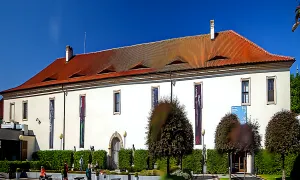
For photography enthusiasts, early morning or late afternoon provides the best natural lighting to capture the garden's beauty. The area around the Wallenstein Riding School offers picturesque views and is an excellent spot for photos with the historical backdrop of Prague Castle in the distance.
Nearby attractions within a 30-minute walk include St. Nicholas Church, known for its stunning Baroque interior and panoramic views from the tower, and the Wallenstein Riding School, which showcases impressive Renaissance architecture. These sites complement your visit to Valdštejn Garden by offering more insights into Prague's rich history.
Valdštejn Garden is family-friendly with plenty of space for children to explore. Consider bringing a picnic to enjoy in one of the garden’s open areas. The nearby playgrounds and historical sites like St. Nicholas Church provide additional entertainment options for families.
Frequently asked questions
Can the monument be visited?
Yes. We verified the opening hours or admission on the official website (8. 8. 2026); you will find them in the visitor information on this page. Please double-check with the operator before you travel.
What are the opening hours and admission?
Details verified on the official website (8. 8. 2026) are listed in the visitor information on this page. Official website: https://valdstejnskalodzie.cz/
Where is the monument?
Location: Malá Strana, Hlavní město Praha. The map on this page shows the exact spot.
Why is the monument protected?
It is listed in the Central List of Cultural Monuments of the Czech Republic as a national cultural monument. It is protected as part of a larger listed ensemble.
Businesses nearby
Do you run a restaurant, accommodation, shop, museum, rental, wellness or other visitor service near this monument? Show yourself directly to the people heading to it — this is how they will see you in the app and on the web:
Events nearby

Zdroj akcí: otevřená data měst a obcí ČR (Národní katalog otevřených dat) a kalendář akcí Národního památkového ústavu.
Nearby
Valdštejnská zahrada is situated on Malá Strana, offering views of Prague Castle and the Vltava River. The area includes other historical sites such as St. Nicholas Church and the Wallenstein Riding School.
Accommodation nearby
Trips and activities nearby
Guided tours, tickets and activities nearby from GetYourGuide
Affiliate link: if you buy from the partner, we may receive a commission. The price for you does not change.
Search tours and activities →Themed route
Thematic Walking Tour: The Heart of Malá Strana
1. Valdštejnská zahrada (Wallenstein Garden)
Type: Historical Park
Why Visit: Begin your journey at the Valdštejnská zahrada, a serene Baroque garden offering panoramic views of Prague Castle and the Vltava River. Designed in the 17th century, this garden is a testament to the grandeur of its era, with meticulously maintained hedges and statues that transport visitors back in time.
2. St. Nicholas Church (Kostel svatého Mikuláše)
Type: Historical Church
Why Visit: A short walk from the Valdštejnská zahrada, the St. Nicholas Church is an architectural marvel with its striking Baroque façade and stunning interior featuring frescoes by Karel Škréta. This church not only offers spiritual solace but also provides a glimpse into Prague's rich religious history.
3. Wallenstein Riding School (Valdštejnská jízdárna)
Type: Historical Building
Why Visit: Adjacent to the St. Nicholas Church, the Wallenstein Riding School is an impressive example of Renaissance architecture, originally designed as a training ground for cavalry. Today, it houses exhibitions and events, allowing visitors to explore its grand halls and learn about its historical significance.
This tour offers a deep dive into the cultural and architectural heritage of Malá Strana, providing insights into Prague's storied past through its iconic landmarks.
Seasonal recommendations
Spring: The Valdštejn Garden awakens with a vibrant burst of colors as cherry blossoms and other spring flowers bloom, creating a picturesque landscape that captivates visitors. This season offers softer light which enhances the beauty of the garden's historic statues and fountains. While the weather can be unpredictable, it is generally mild, making it an ideal time to explore without the summer crowds. Early mornings are recommended for fewer people and a tranquil experience, with comfortable walking shoes and layers that can adjust to changing temperatures.
Summer: During the summer months, Valdštejn Garden becomes a lively oasis in the heart of Prague. The long daylight hours allow visitors to fully enjoy the lush greenery and vibrant flower beds. However, this is also peak tourist season, so it's advisable to arrive early to avoid larger crowds. Light, breathable clothing is recommended due to warmer temperatures, along with sun protection like hats and sunglasses. Bringing a water bottle can help stay hydrated during your visit.
Autumn: Autumn transforms Valdštejn Garden into a tapestry of warm colors as the leaves change from green to shades of red, orange, and gold. The cooler weather makes for comfortable strolls through the historic paths, and the garden's atmosphere becomes more serene with fewer visitors compared to summer. It's a great time to appreciate the sculptures and architecture without the midday sun. Layered clothing is advisable as temperatures can vary significantly throughout the day.
Winter: In winter, Valdštejn Garden exudes a magical charm under a blanket of snow, offering a unique perspective on its historic elements like statues and fountains. The shorter days mean less time to explore, so planning your visit during daylight hours is essential. While some areas may be closed due to weather conditions, the garden's winter atmosphere provides a peaceful retreat from the bustling city. Warm clothing, including coats, hats, gloves, and sturdy boots, is crucial for comfort during this season.
Visualizations and artistic views


The visualisations are generated by artificial intelligence and serve as inspiration.
Photos from the area
Real photos taken near the monument

Zdroj a licence jsou uvedeny u každého snímku.
Tips from visitors
No tips yet. Be the first!
Log in and add your tip.
Sources and literature
Photos: VitVit / CC BY-SA 4.0 — Wikimedia Commons. The author and licence also appear when you hover over the image.
Faktickým podkladem tohoto textu byl článek na Wikipedii, jehož autory jsou přispěvatelé Wikipedie. Článek je dostupný pod licencí CC BY-SA 4.0.
Location on the map

Příběhy a pověsti
Legendy, pověsti a příběhy spjaté s touto památkou

Fotografie návštěvníků
Zatím žádné fotografie. Buďte první, kdo přidá fotografii z návštěvy!
Log in a přidejte svou fotografii nebo hodnoťte.
Za ověřenou návštěvu v aplikaci získáte víc bodů — poznáme podle GPS, že jste na místě.
Reviews and comments