






Vodárna na Hladnově Lookout tower
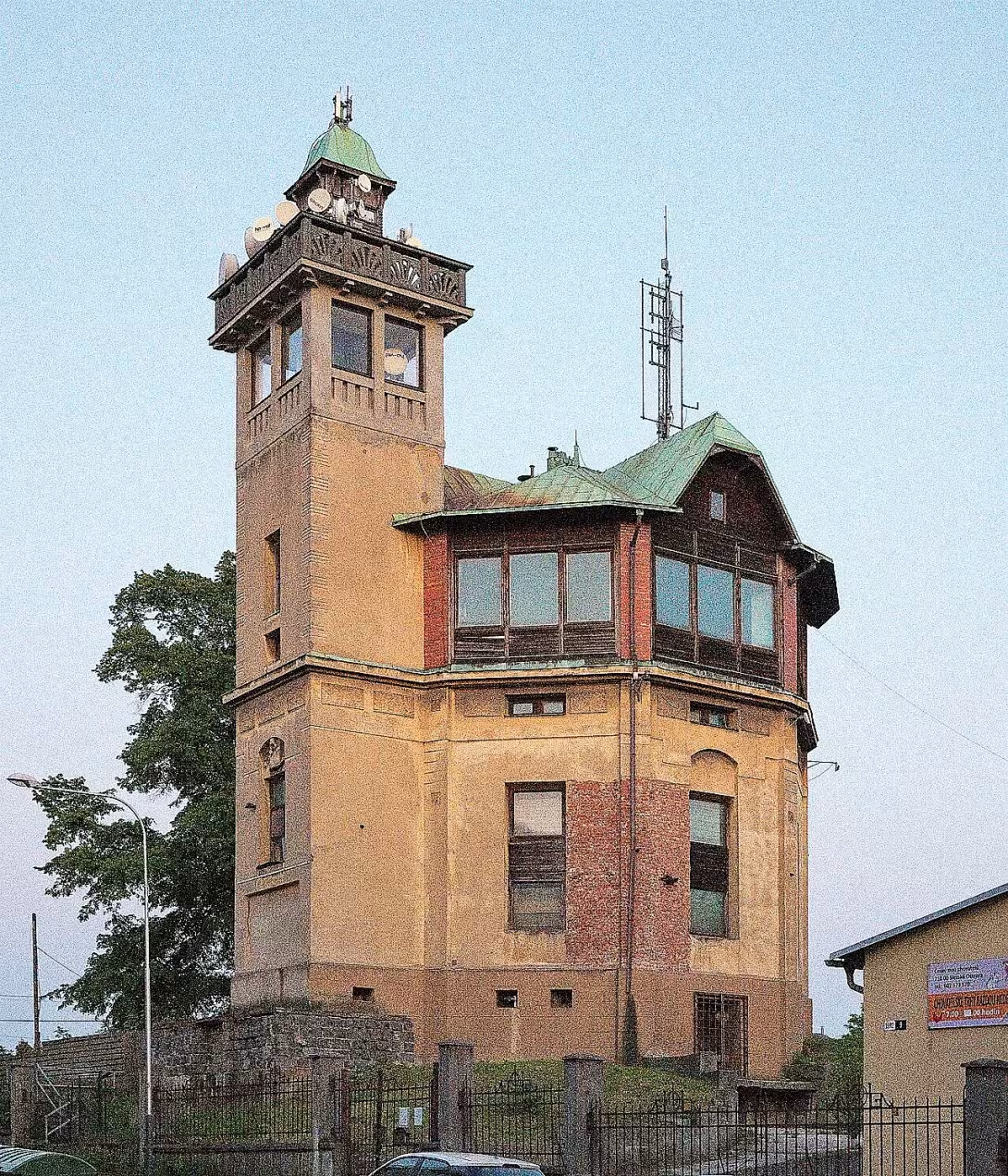
Vodárna na Hladnově in Silesian Ostrava is a historical Art Nouveau tower built in 1908-1909. Originally, it served as a waterworks object combined with a firehouse. This technical monument excels with geometrical Art Nouveau architecture and preserved artistic detail, which is ceramic relief fountain. During the 20th century, however, the construction has undergone a number of radical reconstructions and changes of use.
The building was created during the flowering period of Art Nouveau and growing national confidence, when the rapid urbanization of industrial centres required the development of water infrastructure. The project was developed by architect Jaroslav Volenec and the construction was carried out by local company E. Vojtek and K. Rossmann. The tower was designed as an octogon, to which lies the prism section with a staircase and a view tower. The water tanks were located in the basement and on the top floor.
The exterior mantle of the building was discussed in the spirit of geometrical Art Nouveau, with a more demanding architectural solution reserved by the staircase and top of the tower. The ceramic relief fountain with the theme Woman above the spring, created in the studio of sculptors Stanislav and Vojtěv Suchard, became an important artistic element. This relief, representing the Ostrava variant of the work for the Prostějov National House, was understood as a metaphor for emancipation of women and the Czech people.
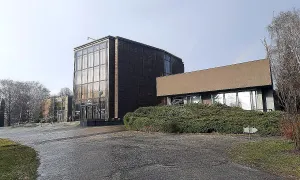
During the 20th years of the 20th century, the tower underwent the first reconstruction, in which it obtained a pagodo ending in a cubo expressionist style. In the 1960s, the object ceased to perform its original water service function because it was taken over by new storage tanks. The subsequent reconstruction in 1973, led by architect Jiří Gwuzdou, turned the tower into a restaurant Panorama and sauna. This adjustment included reforming window openings and lining of the restaurant floor with wooden panels, thereby losing all original technical equipment. In 1987, in preparation for demolition of the outer two-arm staircase, a torso of Suchard's relief was married, which was preserved for future use.
In 1992 the tower was declared a cultural monument, already as a private object. After the restaurant was closed and the equipment was taken away, the building was used for telecommunications purposes and internet distribution. Efforts for further modifications, including breaking new inputs or installation of massive antenna attachments, have been suspended. Due to the construction of a seven-storey apartment complex in a close neighbourhood, the tower lost its position prospects and practically disappeared from the Silesian Ostrava panorama.
Today's shape of the water plant in Hladnov is evidence of changes in industrial architecture over a century. Although the construction lost its original technical and sightseeing role, it remains a valuable historical object reminiscent of the Art Nouveau ambitions of the time. Visiting this place offers the opportunity to reflect on the fates of the monuments that had to give way to the modern development and changed needs of the city.
Then and now
Drag the slider to compare how the landmark may have looked when it was built with the view today.
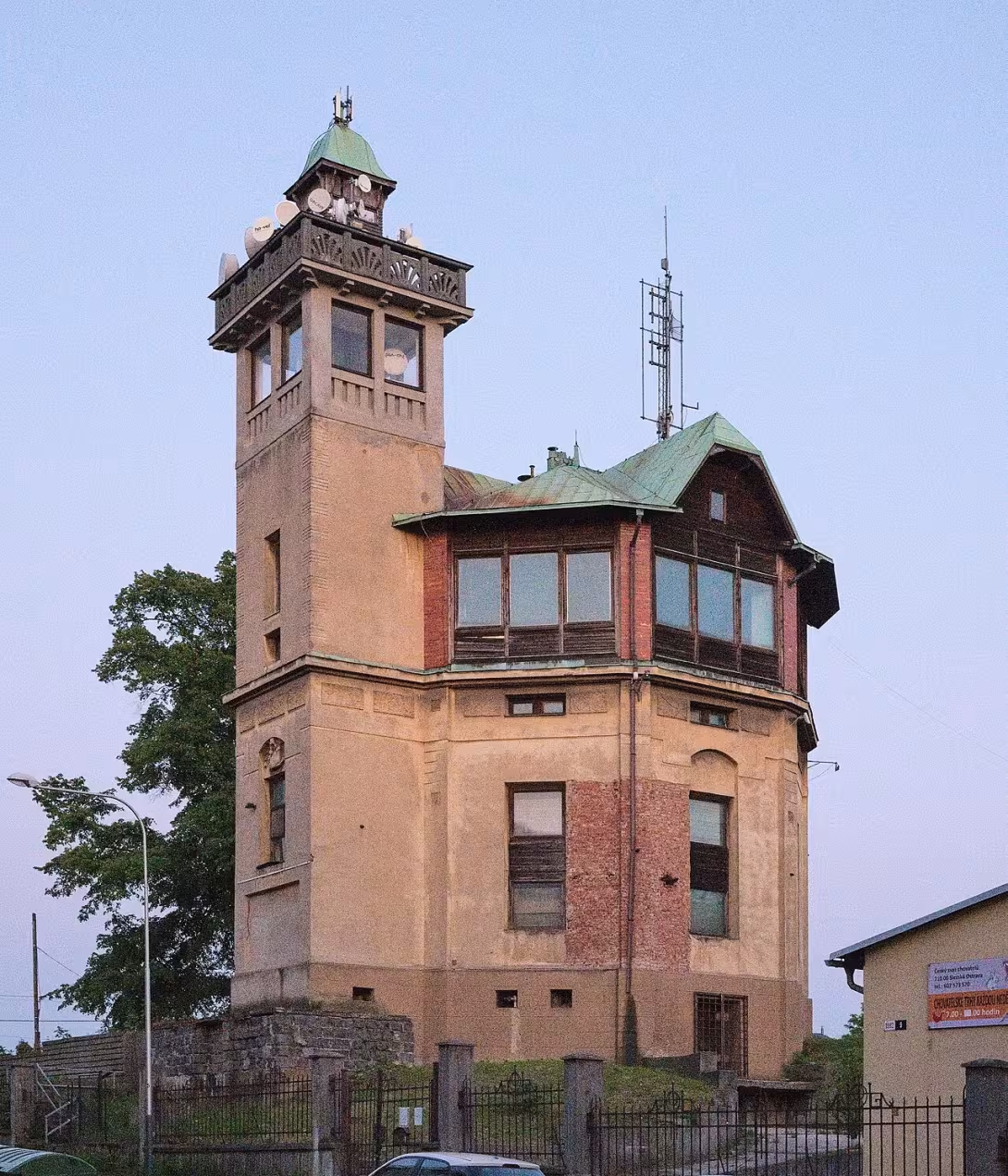
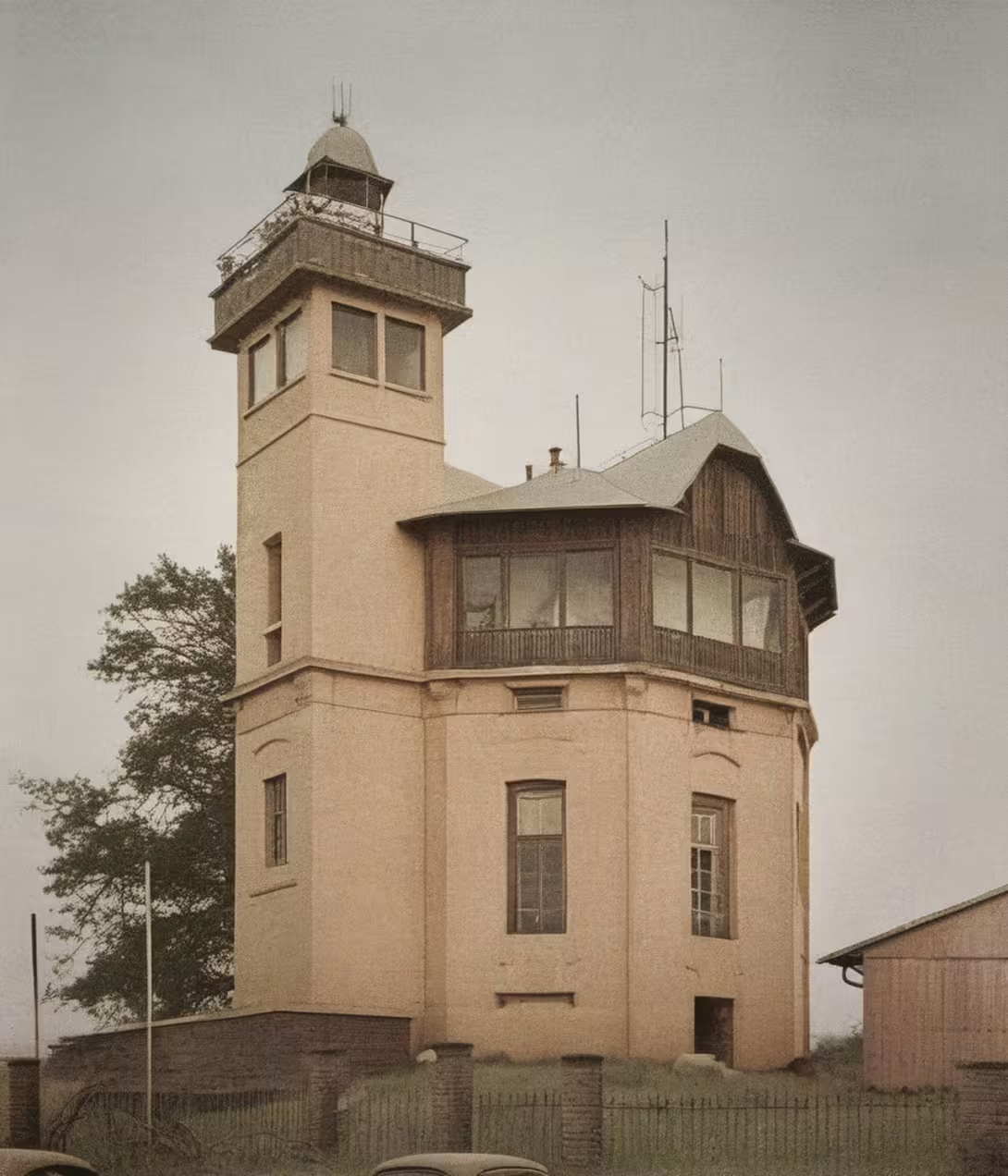
The historical appearance on the left is an AI-generated visualisation and serves as inspiration only.
Historical milestones
- 1909
- Completion of the construction of the water tower according to the Jaroslav Volence project.
- 1973
- Opening of the restaurant Panorama and sauna after reconstruction of the building.
- 1992
- The object was declared a cultural monument.
Architectural development
The original Art Nouveau building was supplemented by a cuboexpressionist attachment in the 1920s. In the 1970s, there was a radical reconstruction of the interior and exterior, where window openings and facades were modified. In 1987, the outer staircase and part of the relief fountain were removed.
Historical events
1909: Completion of water works construction. 1973: Rebuilding to Panorama restaurant. 1992: Declaration for cultural heritage.
Owners
Originally municipal property, later private owner.
Points of interest
- This historical tower was built between 1908 and 1909 and originally served as a water service building combined with a firehouse. - The architectural solution of the building is based on a geometrical Art Nouveau and includes a ceramic embossed fountain with the theme Woman above the spring from sculptors Stanislav and Vojtěv Suchard. - During the 1920s, the pagoda tower obtained a cuboexpressionist-style ending. - In 1973, the tower was converted into a restaurant and sauna, losing all the original technical equipment. - Because of the construction of a seven-storey apartment complex in a close neighborhood, the tower lost its position and disappeared from the Silesian Ostrava panorama.
Guide
Show guide text
This text was created by artificial intelligence and has not been editorially reviewed. It may contain inaccuracies.
Welcome. You're standing in front of one of the most significant buildings in this part of town. Take a look at this massive tower that rises above the surrounding area and immediately attracts every sight with its presence. Vodárna na Hladnově is not just an ordinary building, it is a symbol of growth and technical progress that has influenced this area so strongly in the past. Feel the atmosphere of a place where the practical need of people is combined with high artistic expression. This building, which you are now seeing, is very dignified and at the same time a solid point in a rapidly changing urban environment.
Let's go back in time together and understand why this tower was created. More than a hundred years ago, exactly in 1908 and 1909, Slezská Ostrava went through a period of major changes. The city needed water security and at the same time it had to face the danger of the industrial boom at the time, especially the risk of fires. Therefore, this construction was designed as a unique combination of two important functions. It wasn't just a water tower that was used to store and distribute water, but it also contained a firehouse. This dual purpose required a very sophisticated plan. The whole project was prepared by architect Jaroslav Volenec, who was able to combine technical complexity with aesthetic beauty. Thanks to his vision, a useful object became a real town in a small one that served citizens in every sense of the word.
Now pay attention to the very form of the building in front of you. If you look at its shapes and lines, you'll notice that the building doesn't match the normal industrial objects of that time. The whole solution is based on principles of geometrical Art Nouveau. This means that instead of excessive and chaotic decorating, the architect focused on pure shapes, rhythm and harmony of geometric elements. Notice how the tower floats and how its parts are logically linked to each other. One of the most important elements you can see is the observation tower, which supplies the whole at the height of its unmistakable character. This part of the building was designed to allow people to view the city from a height, which adds a social dimension to the building.
When looking at the details of the object, however, your attention must stop on something really special. Note the ceramic relief that is part of the fountain. This work of art called Woman above the Spring is the real treasure of this monument. It's the work of respected sculptors, Stanislav and Vojtěch Suchard. This ceramic element gives the tree technical object softness and human dimension. It is these details, which combine craft, art and technology, that make the water works on Hladnov so rare a whole.
This building is also the result of the cooperation of many talented people. In addition to the main designer Jaroslav Volence, other architects such as Jiří Gwuzd and Václav Šafář participated in the final form. Their joint work has created a whole that has lasted centuries. Let us not forget the sculpting families who put their soul and artistic value into the building. Every stone and every ceramic detail here tells the story of an effort to create something lasting and beautiful, even if it is a building used for practical purposes.
It's interesting to see the fate of this tower change throughout the century. After its initial operation, when it served as a water facility and fire station, the construction has undergone many reconstructions over the years. One of the biggest turns in her history was 1973. In this period, the object transformed and began to serve people even for leisure. A restaurant called Panorama opened here and also a space for relaxation, i.e. sauna. This change meant that the tower stopped being a technical point and became a place to meet people and rest. This new feature helped the construction stay in the memory of the inhabitants even when industrial Ostrava was changing. Finally, in 1992, this important building was officially declared a cultural monument, which ensured its protection for future generations.
Perhaps you're interested in the idea of how one building could change its character so fundamentally. From the indispensable machine for water and protection from fire, to the place for feasts and rest, to today's role of silent and noble monuments. There's a mystery about how she managed to maintain her original soul despite all these changes. It's the geometrical Art Nouveau that keeps her together and doesn't allow her to fit into the grey of an industrial city.
Now that you know the story of this building, I suggest you continue your walk and look at it again, but this time with the knowledge of everything you've just heard. Feel her shapes, look for details, and imagine the lives of people who worked here over a hundred years ago. Thank you for spending this moment with us. We wish you a wonderful discovery of other secrets in this area and enjoy the rest of your day. Goodbye.
Tips for visitors
The best time to visit is during sunny days in the afternoon, when the sun beautifully illuminates the geometric details of the Art Nouveau facades of the tower. Due to its location on the hill, you will enjoy views of the city in clear weather.
The monument can be easily reached by car or public transport. Parking is possible in adjacent streets in the vicinity of Hladnov, precise public transport connections we recommend to verify in the current connection search engine.
For photography we recommend to use the ceiling space, which highlights the height and architectural structure of the tower. The best light for pictures of facade details is shortly after noon before sunset, when shadows are better drawn.
In the surroundings we recommend a walk towards the Ostravice river or a visit to Ostrava city centre, which offers other historical attractions. For families with children, the location is suitable thanks to a quiet environment and the possibility of walking in the surrounding building.
When visiting with children, we recommend taking a snack and a drink with us, because in the immediate vicinity of the tower, catering services may not always be available. The tower is an interesting example of a technical monument that captures children with its unconventional combination of functions.
Businesses nearby
Do you run a restaurant, accommodation, shop, museum, rental, wellness or other visitor service near this monument? Show yourself directly to the people heading to it — this is how they will see you in the app and on the web:
Events nearby
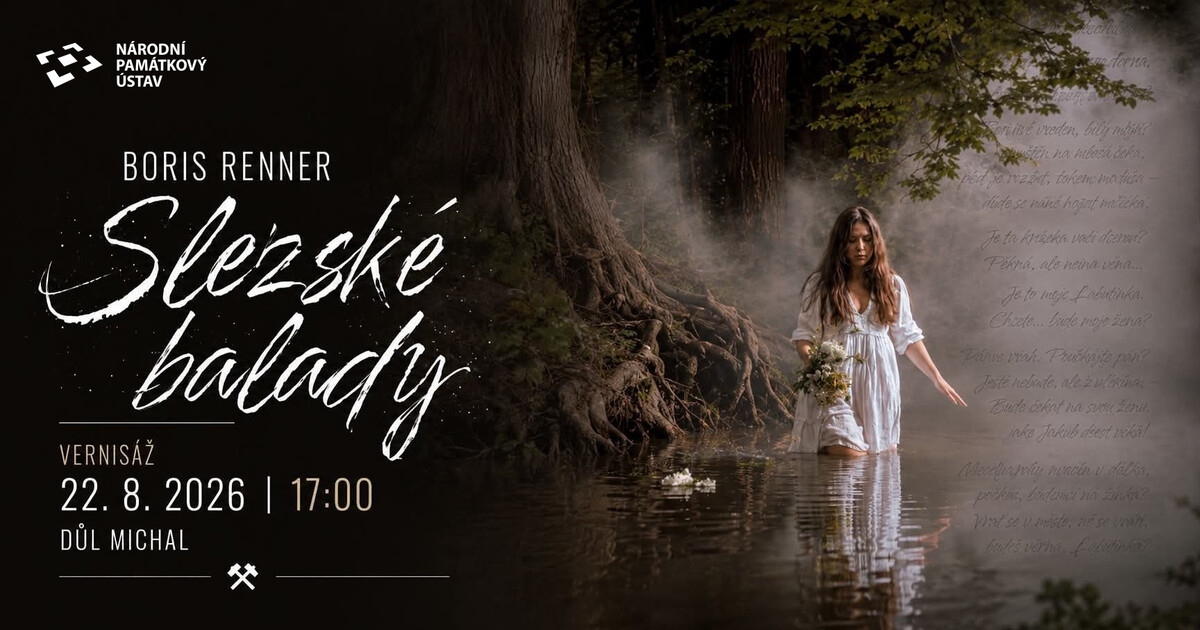
Zdroj akcí: otevřená data měst a obcí ČR (Národní katalog otevřených dat) a kalendář akcí Národního památkového ústavu.
Nearby
Slezská Ostrava, řeka Ostravice, centrum města Ostravy.
Accommodation nearby
Themed route
1. center of Ostrava (Type: City Core) - Start your journey in the busy heart of the city. 2. Slezská Ostrava (Type: Quarter) - This part of town will lead you towards the main monument. 3. river Ostravice (Type: Water stream) - A walk along the shore will offer you peace at the running water. 4. Vodárna na Hladnově (Tower) (Type: Technical monument) - The main destination of the trip, which represents an important construction.
Seasonal recommendations
In the spring there is a fresh greenery surrounding the tower, which contrasts with the satisfactory condition of the brick wall. The atmosphere is full of hope and the light is fine, which helps to closely observe architecture. We recommend to dress in multiple layers because the weather is variable, and start in the morning when the air is purest.
Summer moons bring sharp sun and thick leaves of surrounding trees, which provide a pleasant shade. There are more visitors in the main season, which is why it is best to come first thing in the morning to keep quiet. Don't forget light, breathable clothes and plenty of fluids to freshen up.
In autumn, the surroundings of the Water House on Hladnov will turn into golden and brown tones, creating a melancholy mood. Fog often covers the tower, which gives the place a mysterious look. Due to the moisture of the terrain are suitable waterproof shoes and ideal time for visiting is late afternoon in the low sun.
In winter, the construction works strictly and its silhouette stands out against the grey sky or white snow. The atmosphere is quiet and freezing, which underlines the historical nature of the place. It is necessary to wear very warm clothes and in advent time to expect shorter accessibility time due to early darkness.
Visualizations and artistic views


The visualisations are generated by artificial intelligence and serve as inspiration.
Photos from the area
Real photos taken near the monument


Zdroj a licence jsou uvedeny u každého snímku.
Tips from visitors
No tips yet. Be the first!
Log in and add your tip.
Sources and literature
Photos: Petr Štefek / CC BY 3.0 — Wikimedia Commons. The author and licence also appear when you hover over the image.
Faktickým podkladem tohoto textu byl článek na Wikipedii, jehož autory jsou přispěvatelé Wikipedie. Článek je dostupný pod licencí CC BY-SA 4.0.
Location on the map
Příběhy a pověsti
Legendy, pověsti a příběhy spjaté s touto památkou

Fotografie návštěvníků
Zatím žádné fotografie. Buďte první, kdo přidá fotografii z návštěvy!
Log in a přidejte svou fotografii nebo hodnoťte.
Za ověřenou návštěvu v aplikaci získáte víc bodů — poznáme podle GPS, že jste na místě.
Reviews and comments