



Vodní mlýn (Zahrádka) Water mill
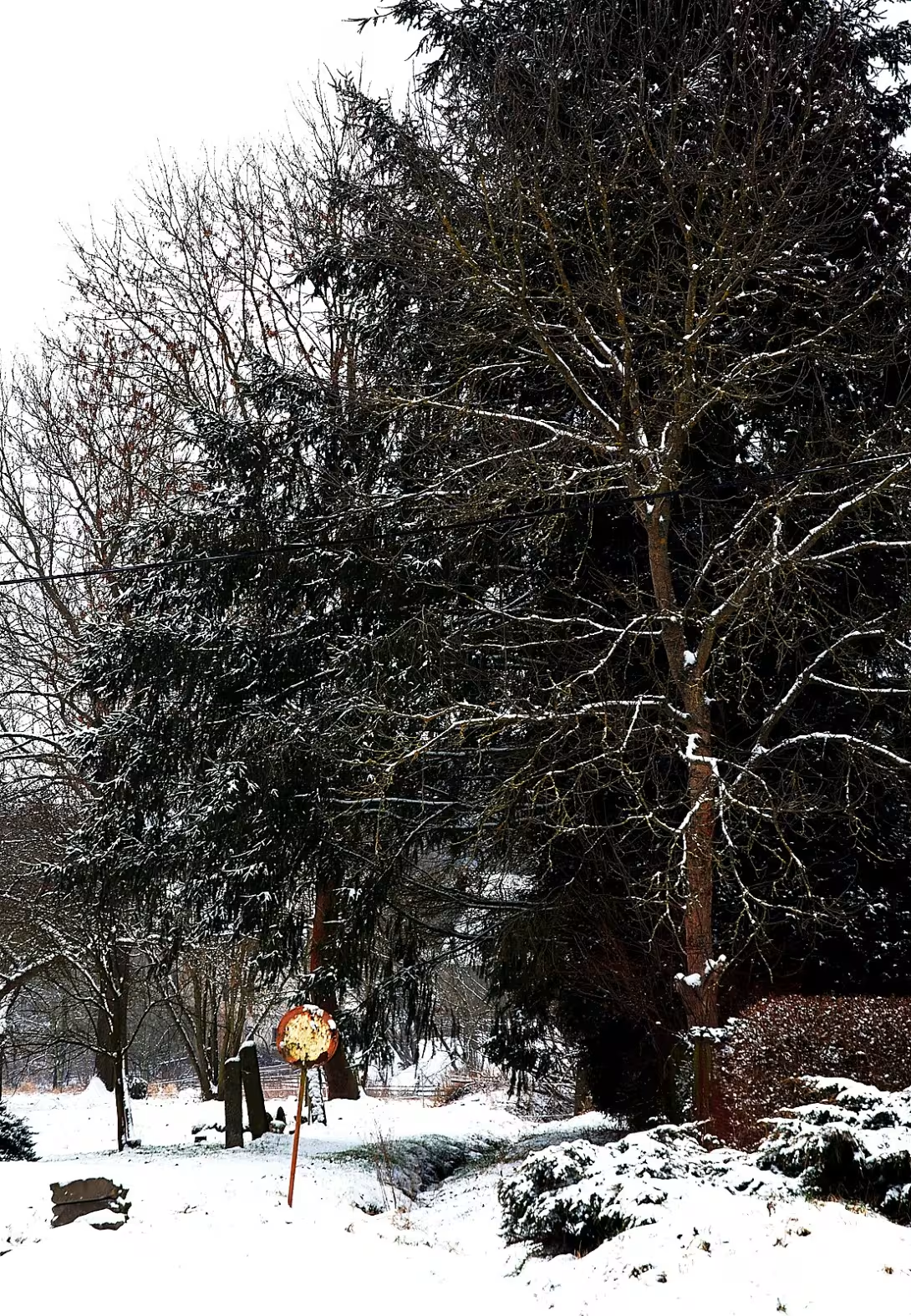
The water mill in Zahradec near the village Čížkov in the district of Pilsen-South is a protected real estate cultural monument, which stands on the Čížkov stream. An object with probable 16th century origin is remarkable by preserving original architectural elements and a renewed water wheel.
The mill is supposed to have been built in 1560. This data is based on the division of the greenish property between the brothers Vilem and Hynek from Šternberk, which mentioned Trsín Pond.
In the later 17th century, the documents include miller workers from the Trsín family, namely Jan Trsín in 1669 and Matej Trsín in 1681. In 1721 the mill became owner of Vít Vaněček. Jan Vaněček ran a beer bar in the mill, which made him free from the robot. In 1885 the mill was taken over by Josef Šlechta, who married Mary, the only daughter of František Vaněček.
The building unit connects the mill and residential building under one common roof, even though they are easily separated. The house is walled and single storey. The interior preserved original vaults, crows and black cuisine. In 1881 the mill had one Czech composition from which the torso remained.
The water for the water wheel was driven by the drive and then returned to the creek through the drain channel. The system included a pipeline in the dam of the pond, which led the water to the gutter and further through the wood ventroks. The mill has around the top water from the manufacturer František Mikyška from Kojetín. According to the 1930's records, the wheel had a diameter of 5 meters, a depth of 30 centimeters and a width of 50 centimetres, with a fat capacity of 0,05 m ³ / s, a drop of 4.92 meters and a power of 2.1 horses.
After 1920, the mill activity in the building almost disappeared. After the death of the second wife of Josef Šlecht, Barbara, the mill inherited her niece. Before 1989, the building was sold for recreation. The water wheel was restored in 2017.
The monument represents a valuable example of traditional water management and miller architecture. It is a suitable destination for visitors interested in the technical history of the countryside.
Historical milestones
- 1560
- Mention of Trsínské pond in the division of the property of the brothers of Sternberk, the likely formation of the mill.
- 1669
- The master Jan Trsín is listed in the books.
- 1885
- Josef Šlechta took over the mill after marriage to Maria Vaněčková.
- 2017
- Water wheel recovery.
Architectural development
A single-storey brick house with a mill under one roof. In the house are preserved original vaults and black cuisine. The water system included a drive, a pipeline in the pond dam and wooden ventroks.
Historical events
1560: the likely formation of the mill in the division of the greenhorn property; 1885: take over the mill by Joseph the nobleman; 2017: water wheel renewal.
Owners
Wilhelm and Hynek ze Šternberka (1560), Jan Trsín (1669), Matej Trsín (1681), Vít Vaněček (1721), Josef Šlechta (from 1885).
Points of interest
- The mill was probably created in 1560 in the division of property between the brothers Wilhelm and Hynek of Sternberg. Jan Vaněček used to run a beer bar in the mill, which made him free from the robot. - The building unit connects the mill and residential house under one roof and the original vaults and black kitchen are preserved in the interior. - The water bike was made by František Mikyšek from Kojetín and was restored in 2017. According to the records from 1930, the water wheel had a diameter of 5 meters and a capacity of 2.1 horses.
Guide
Show guide text
This text was created by artificial intelligence and has not been editorially reviewed. It may contain inaccuracies.
Welcome to a unique and historically rich place - water mill in Zahradec near Čížkova. You stand here, surrounded by the calm of the rural landscape, before the construction that tells the story of the past century. This mill opens the door to a world where the river was not only a road for vessels, but also a source of energy and life.
The creation of this place dates back to 1560. The mill was probably created during an important division of assets between the brothers Wilhelm and Hynek of Sternberg, who were at that time important personalities. In this context, the Trsín Pond appears, which played a key role in the management and use of hydropower resources.
Look up at the connection between the mill and the residential single-storey wooden house. This construction unit is an example of the practical and efficient use of space where each part has a function. In the interior, notice the original vaults, which provide space of authentic character, as well as the black kitchen, which tells about the lifestyle and ways of surviving past inhabitants.
Among the key personalities associated with this place is Jan Trsín, whose name appears in the matrices in 1669. Also remember Josef Šlecht, who, after marrying Maria Vaněčková, took over the mill in 1885 and thus continued the family tradition. Jan Vaněček is another person who worked here - he used his position in the local brew to free him from robots.
The technical aspect of this place is also interesting. In 2017, the water wheel was restored, which allows the mill to operate on the principle of upper water. This detail shows not only the historical value of the construction, but also modern efforts to preserve it and sustainability.
Let's move closer to the mill canal and notice how water flowing beneath it still fills this space with life force. Here you can welcome peace and afford to stop time to immerse yourself in the atmosphere of the past.
This mill is not only a monument to architecture, but also a witness to the history of the people who inhabited this landscape. When you walk, notice all the details and take the time to learn more about its rich history.
Thank you for your visit. We hope that this guide inspired you to explore and explore again. May you find peace and inspiration here. Have a nice day!
Tips for visitors
The best time to visit the water mill in Zahradec is autumn or spring, when nature offers the most beautiful colors and the temperature is not too hot. This time of year also allows you to see the mill in peace without a large number of visitors.
When you visit, bring a cook and a drink. It may also be appropriate to carry shoes on dry surfaces, as the surrounding terrain may be uneven and moist.
Photography is particularly interesting in the morning or evening when light becomes finer. The best places for photos are directly at the mill and on the bridge via the Čížkov stream where you can capture views of the water flow.
In the surroundings you can visit Trsínské Pond, which offers a beautiful opportunity for leisure activities such as walking or cycling. For families with children it can be interesting to explore the surrounding forests and streams where you can find different kinds of birds and animals.
Frequently asked questions
Can the monument be visited?
This is a technical monument. Some are open as exhibitions, others are out of use or on private land. We have not verified whether this one is accessible.
What are the opening hours and admission?
We have not verified the opening hours or admission. Current information is published by the operator.
Where is the monument?
Location: Čížkov, Plzeňský kraj. The map on this page shows the exact spot.
Why is the monument protected?
It is listed in the Central List of Cultural Monuments of the Czech Republic as a cultural monument (register no. 1304970397).
Businesses nearby
Do you run a restaurant, accommodation, shop, museum, rental, wellness or other visitor service near this monument? Show yourself directly to the people heading to it — this is how they will see you in the app and on the web:
Nearby
Čížkovský potok a Trsínský rybník.
Accommodation nearby
Themed route
Vodní mlýn (Zahrádka) Type: Historical building, technical monument. Why: This object represents a key point of the entire route where visitors can see the preserved mill architecture and background that has been the heart of the local economy for centuries.
Čížkov stream Type: Water flow, natural protozoa. Why: The stream forms a natural axis around the mill and its shores offer a quiet environment for short walks. The water here was a historical source of energy for the mill wheel, which creates a strong binding element between nature and the technical monument.
Trsín Pond Type: Water area, recreational location. Why: The pond closes the route as a resting place by the water. Its presence in the vicinity of Čizkov illustrates the long-term tradition of ponds and provides visitors with the possibility of calming down after exploring historical buildings.
The route is designed to start with the main destination, i.e. the water mill in the village Čížkov. From there you can go along the flow of Čížkov creek, which serves as a natural pavement leading to the next point. This section allows us to see how water has affected the development of settlements and farming in this part of the region. The road continues towards the Trsín pond, which is located in the immediate vicinity of the village. The whole circuit is short and suitable for walking tourists of all ages who prefer the combination of history and nature without the need for long transitions. The order of points ensures a smooth flow of experiences from the technical monument to live water to a quiet recreation area. This gives visitors a comprehensive picture of how water resources were used for economic purposes in the past and how this landscape has turned into a place for leisure time.
Seasonal recommendations
In spring the mill will surround the fresh greenery and awakening nature. The water in the stream is more steep and noisy due to snow melting, which gives the place dynamic. We recommend moisture-resistant shoes because the surrounding roads can be muddy. It is best to visit the memory in the morning when the air is the cleanest.
The summer season brings full flowering gardens and bright sunlight that highlight the details of the building beautifully. The atmosphere is relaxed and playful. Due to the high season, it is advisable to come first thing in the morning to avoid the biggest groups of visitors. Dress light and breathable substances to protect you from heat.
In autumn, the surroundings of the mill turn into gold and red tones, creating a very romantic and melancholy mood. There are often fog in the morning, which obscures the memory. Get ready with layered clothes for changing weather. The ideal time for a walk is late afternoon when the sun shines gently.
In winter, the mill works calmly and calmly, especially when snow covers the landscape. The contrast of the white landscape and dark wood or stone is very impressive. Don't forget to wear warm shoes, gloves and a hat to keep the frost from stopping you. The opening times are shorter in this period, so we recommend a visit in the morning.
Visualizations and artistic views


The visualisations are generated by artificial intelligence and serve as inspiration.
Photos from the area
Real photos taken near the monument

Zdroj a licence jsou uvedeny u každého snímku.
Tips from visitors
No tips yet. Be the first!
Log in and add your tip.
Sources and literature
Photos: Otmar Koutecký / CC BY-SA 4.0 — Wikimedia Commons. The author and licence also appear when you hover over the image.
Faktickým podkladem tohoto textu byl článek na Wikipedii, jehož autory jsou přispěvatelé Wikipedie. Článek je dostupný pod licencí CC BY-SA 4.0.
Location on the map


Příběhy a pověsti
Legendy, pověsti a příběhy spjaté s touto památkou

Fotografie návštěvníků
Zatím žádné fotografie. Buďte první, kdo přidá fotografii z návštěvy!
Log in a přidejte svou fotografii nebo hodnoťte.
Za ověřenou návštěvu v aplikaci získáte víc bodů — poznáme podle GPS, že jste na místě.
Reviews and comments