






zámek Teplice Chateau
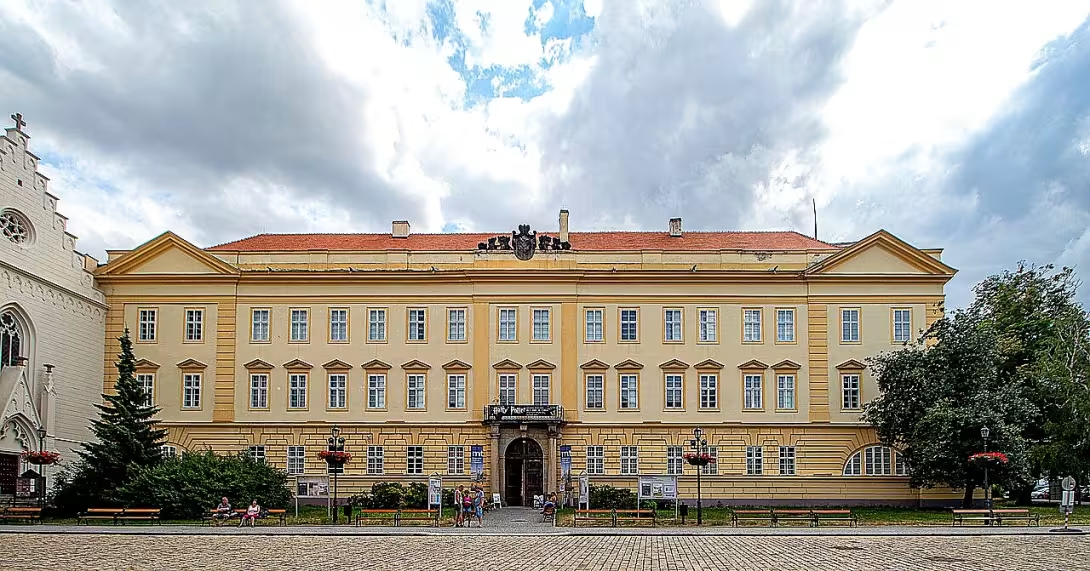
Teplice Chateau is a testament to Bohemian history, located in Teplice within the Ústí nad Labem Region. It originated from a Benedictine nunnery founded between 1156 and 1164 by Queen Judith of Bohemia. The site was transformed into a chateau during the mid-15th century. Throughout its history, it has experienced numerous ownership changes and architectural transformations, reflecting its strategic importance during events like the Hussite Wars and the Thirty Years' War.
The origins of Teplice Chateau trace back to a Benedictine nunnery established by Queen Judith in the 12th century. In 1278, the monastery was plundered by a combined army, highlighting its vulnerability during turbulent times. The Hussite Wars further impacted the site; it was reportedly burned by Hussite forces in 1421 and suffered additional damage from a Míšeňské vojsko in 1426 before the Battle of Ústí. These events led to the abandonment of the monastery, with nuns relocating to Prague.
The transformation into a chateau began under Johana z Rožmitálu in the mid-15th century, marking a shift from its monastic origins. This period saw Teplice evolve into a fortified structure, reflecting broader trends across Central Europe. The architecture underwent substantial changes, particularly under Radslav starší Kinský in 1585, who significantly rebuilt the site to enhance its defenses.
Ownership of Teplice Chateau has seen dramatic shifts throughout history. Initially established as a nunnery by Queen Judith, it later came under various notable figures and families. After Johana z Rožmitálu's efforts, ownership passed through several hands, including Hynek z Poděbrad in the 1470s, Felix Fictum in 1482, and Albrecht Libštejnský z Kolovrat by 1508. The chateau was later held by Jan and Albrecht of Valdštejn from 1511 to 1524, followed by Zikmund ze Smiřic. In the early 16th century, Ferdinand I acquired it, only for Radslav starší Kinský to purchase it in 1585.
Key events at Teplice Chateau include its plundering in 1278 and destruction during the Hussite Wars, underscoring its strategic importance despite repeated devastation. The significant reconstruction by Radslav starší Kinský in 1585 marked a pivotal moment in its history, reflecting resilience and adaptation to changing political landscapes.
Today, Teplice Chateau is recognized as a cultural monument of the Czech Republic since 1958. Its historical significance and architectural evolution make it a compelling site for visitors interested in Bohemian history. The chateau's picturesque location amidst natural thermal springs and lush landscapes adds to its allure, inviting exploration of both its storied past and serene surroundings.
Teplice Chateau stands as a symbol of resilience and transformation, offering insights into the complex historical narratives that have shaped this region. Its rich history and architectural evolution make it a must-visit destination for those seeking to delve into Bohemian heritage.
Then and now
Drag the slider to compare how the landmark may have looked when it was built with the view today.
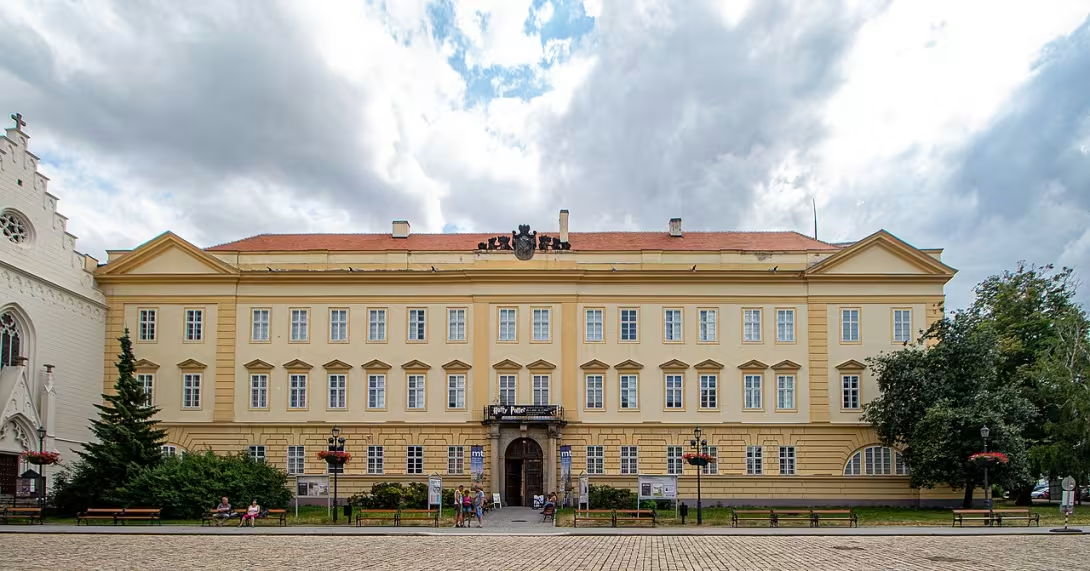

The historical appearance on the left is an AI-generated visualisation and serves as inspiration only.
Historical milestones
- 1421
- The monastery was reportedly burned by Hussite forces.
- 1426
- Míšeňské vojsko damaged the site significantly before the Battle of Ústí.
- 1585
- Radslav starší Kinský undertook significant reconstruction of the chateau.
Architectural development
The site began as a Benedictine nunnery founded between 1156 and 1164. After being plundered and damaged during the Hussite Wars, it was transformed into a chateau by Johana z Rožmitálu in the mid-15th century. The chateau underwent significant reconstruction under Radslav starší Kinský in the late 16th century.
Historical events
The Benedictine nunnery was plundered by a combined army in 1278.
Hussite forces burned the monastery in 1421 and damaged it further in 1426, leading to its abandonment.
Radslav starší Kinský significantly rebuilt the chateau in 1585.
Owners
Queen Judith of Bohemia (1156-1164)
Kings of Bohemia (after 1278)
Johana z Rožmitálu (post-1467)
Hynek z Poděbrad (1470s)
Felix Fictum (1482)
Albrecht Libštejnský z Kolovrat (1508)
Jan and Albrecht of Valdštejn (1511-1524)
Zikmund ze Smiřic (post-1524)
Ferdinand I. (early 16th century)
Radslav starší Kinský (1585)
Points of interest
- Teplice Chateau's transformation from a Benedictine nunnery to a fortified chateau reflects the broader trend of monastic sites being repurposed for military use during times of conflict in Central Europe. - The monastery at Teplice was plundered by a combined army in 1278, highlighting its vulnerability and strategic importance even before it became a chateau. - During the Hussite Wars, Teplice Chateau was burned in 1421 and suffered additional damage from Míšeňské vojsko in 1426, leading to the relocation of nuns to Prague due to the site's instability. - Radslav starší Kinský's significant reconstruction efforts in 1585 not only enhanced Teplice Chateau's defenses but also marked a pivotal moment reflecting resilience and adaptation amidst changing political landscapes. - The chateau has seen dramatic shifts in ownership, including notable figures like Hynek z Poděbrad, Felix Fictum, and Albrecht Libštejnský z Kolovrat, illustrating the site's ongoing strategic value throughout history.
Guide
This guide is narrated by a synthetic voice generated by artificial intelligence.
Show guide text
This text was created by artificial intelligence and has not been editorially reviewed. It may contain inaccuracies.
Welcome to the historic site of Teplice Chateau, nestled in the charming town of Teplice within the Ústí nad Labem Region. As you stand here, imagine yourself stepping back into a past rich with history and transformation. Before you lies a structure that has borne witness to centuries of change, from its origins as a Benedictine nunnery to its current form as a chateau.
Let's delve into the fascinating story of how this site came to be. In the mid-12th century, Queen Judita Durynská commissioned the establishment of a Benedictine nunnery here between 1156 and 1164. This sacred place was intended for spiritual reflection and devotion. However, as the tides of history shifted, so too did the purpose of this site. By the mid-15th century, it had been transformed into a fortified chateau, reflecting the broader trend in Central Europe during that era where monastic sites were repurposed for military use.
As you walk around Teplice Chateau today, take a moment to appreciate its architecture. While specific details about architects remain unknown, the chateau's structure tells a story of resilience and adaptation through time. Notice how the fortifications have been strengthened over the years, an architectural response to the numerous conflicts it has endured.
Throughout its history, Teplice Chateau was home to many significant figures. In 1421, during the Hussite Wars, the monastery was reportedly burned by Hussite forces. This marked a period of turmoil and change for the site. A few years later, in 1426, Míšeňské vojsko caused further damage before the Battle of Ústí. Despite these challenges, the chateau continued to evolve. In 1585, Radslav starší Kinský undertook significant reconstruction efforts, ensuring its survival and prominence.
One intriguing aspect of Teplice Chateau's history is its vulnerability to plundering. In 1278, a combined army seized this monastery, highlighting its strategic importance even during times of peace. These events underscore the chateau's role not just as a religious or military site but also as a prize in the power struggles of medieval Europe.
As we conclude our journey through Teplice Chateau, I invite you to explore further and discover more about this remarkable place. Each stone here has a story to tell, from its origins as a haven for nuns to its evolution into a formidable fortress. Thank you for joining me on this historical tour, and may your visit inspire a deeper appreciation of the rich tapestry of history that surrounds us.
Tips for visitors
The best time to visit Teplice Chateau is during the late spring or early autumn months, from May to September. During this period, the weather is typically pleasant, allowing visitors to fully enjoy the chateau's picturesque surroundings and lush landscapes. Additionally, these months often coincide with local festivals and events that can enhance your cultural experience.
Parking at Teplice Chateau is generally available in nearby areas, but it's advisable to arrive early or during off-peak hours for better availability. Public transportation options are also accessible; visitors can use regional buses or trains to reach Teplice. For the most accurate and current travel information, checking a local transport website or app before your visit is recommended.
When visiting Teplice Chateau, it's advisable to bring comfortable walking shoes as you'll likely be exploring both indoor and outdoor areas. Don't forget to pack weather-appropriate clothing, especially if visiting in spring or autumn when temperatures can vary. A camera or smartphone for capturing the scenic views is also a must-have.
For photography enthusiasts, some of the best spots at Teplice Chateau include the chateau gardens and any open courtyards that offer panoramic views of the surrounding landscape. Early morning or late afternoon light provides the most flattering conditions for photos, casting soft shadows and warm hues across the historic architecture.
Nearby attractions within a 30-minute drive from Teplice Chateau include the Teplice Chateau and various spa facilities known for their natural thermal springs. These sites offer additional historical insights and relaxation opportunities, making them perfect complements to your visit at the chateau.
Businesses nearby
Do you run a restaurant, accommodation, shop, museum, rental, wellness or other visitor service near this monument? Show yourself directly to the people heading to it — this is how they will see you in the app and on the web:
Events nearby
Zdroj akcí: otevřená data měst a obcí ČR (Národní katalog otevřených dat) a kalendář akcí Národního památkového ústavu.
Nearby
Teplice Chateau is situated in a picturesque area with natural thermal springs and lush landscapes. The surrounding region includes other historical sites such as the Teplice Chateau and various spa facilities.
Accommodation nearby
Trips and activities nearby
Guided tours, tickets and activities nearby from GetYourGuide
Affiliate link: if you buy from the partner, we may receive a commission. The price for you does not change.
Search tours and activities →Themed route
Teplice Chateau and Surroundings Thematic Tour
1. **Teplice Chateau (Chateau) Begin your journey at the heart of Teplice, exploring this magnificent chateau that stands as a testament to architectural evolution through centuries. The chateau's rich history is complemented by its stunning gardens, offering visitors a glimpse into the past while surrounded by natural beauty.
2. **Teplice Chateau (Chateau) A short walk from Teplice Chateau, this chateau offers an intimate exploration of Baroque architecture and artistry. Its elegant interiors and well-preserved state make it a must-visit for those interested in the finer details of historical design.
3. **Teplice Spa Facilities (Spa) Experience relaxation at its finest by visiting one of Teplice's renowned spa facilities, known for utilizing the region’s natural thermal springs. These spas provide a unique opportunity to unwind and rejuvenate amidst therapeutic waters that have been cherished for centuries.
4. **Teplice Castle Gardens (Garden) Return to the chateau grounds to explore its lush gardens, which are perfect for leisurely strolls or picnics. The well-maintained landscapes offer a serene environment where visitors can enjoy local flora and perhaps catch a glimpse of wildlife.
5. **Teplice Thermal Springs (Natural Feature) Conclude your tour with a visit to the natural thermal springs that define Teplice's landscape. These springs not only contribute to the area’s spa culture but also offer a tranquil setting for reflection and relaxation, embodying the harmonious blend of nature and history in Teplice.
This thematic route provides a comprehensive experience of Teplice Chateau and its immediate surroundings, highlighting historical architecture, natural beauty, and wellness traditions.
Seasonal recommendations
Spring: Visiting the Teplice Chateau during spring offers a unique experience as nature begins to awaken around this historic site. The blooming gardens and lush greenery provide a picturesque backdrop, enhancing the chateau's majestic beauty with vibrant colors. Springtime is characterized by mild temperatures and longer daylight hours, making it an ideal time for exploration without the scorching heat of summer. Visitors should dress in layers to accommodate fluctuating weather conditions, which can range from sunny days to sudden rain showers. While spring sees a moderate number of tourists, arriving early in the day can help avoid larger crowds as people enjoy the pleasant outdoor settings.
Summer: Summer at Teplice Chateau is marked by warm temperatures and extended daylight, making it perfect for leisurely strolls through its grounds and enjoying panoramic views of the surrounding landscape. The chateau's gardens are in full bloom, offering a lush and vibrant atmosphere ideal for picnics or photography sessions. However, this is also the peak tourist season, so visitors should plan to arrive early in the morning to avoid crowds and make the most of their visit. Comfortable walking shoes and light clothing are recommended due to the warm weather, along with sun protection such as hats and sunscreen.
Autumn: Autumn brings a stunning transformation to Teplice Chateau, with its grounds adorned in fiery hues of red, orange, and gold. The cooler temperatures create a serene atmosphere, perfect for enjoying the chateau's historical architecture against the backdrop of picturesque fall foliage. This season offers a quieter experience compared to summer, as fewer tourists venture out during this time. Visitors should dress warmly in layers to accommodate the dropping temperatures, especially in the evenings, and take advantage of the pleasant weather by exploring the chateau grounds at a leisurely pace.
Winter: Winter transforms Teplice Chateau into a magical winter wonderland, with snow-covered landscapes providing a unique charm to its historic architecture. The cooler months bring shorter days and reduced opening hours, so planning ahead is crucial for visitors. While the chateau itself may not be illuminated during these months, the natural lighting of the snowy surroundings creates a mystical atmosphere perfect for photography enthusiasts. Visitors should dress warmly in insulated clothing and wear comfortable boots for walking on potentially icy paths. Although winter sees fewer tourists, it's wise to check opening times as they may vary due to weather conditions.
Visualizations and artistic views


The visualisations are generated by artificial intelligence and serve as inspiration.
Photos from the area
Real photos taken near the monument


Zdroj a licence jsou uvedeny u každého snímku.
Tips from visitors
No tips yet. Be the first!
Log in and add your tip.
Sources and literature
Photos: VitVit / CC BY-SA 4.0 — Wikimedia Commons. The author and licence also appear when you hover over the image.
Faktickým podkladem tohoto textu byl článek na Wikipedii, jehož autory jsou přispěvatelé Wikipedie. Článek je dostupný pod licencí CC BY-SA 4.0.
Location on the map



Příběhy a pověsti
Legendy, pověsti a příběhy spjaté s touto památkou

Fotografie návštěvníků
Zatím žádné fotografie. Buďte první, kdo přidá fotografii z návštěvy!
Log in a přidejte svou fotografii nebo hodnoťte.
Za ověřenou návštěvu v aplikaci získáte víc bodů — poznáme podle GPS, že jste na místě.
Reviews and comments