






Zengerova transformační stanice Other
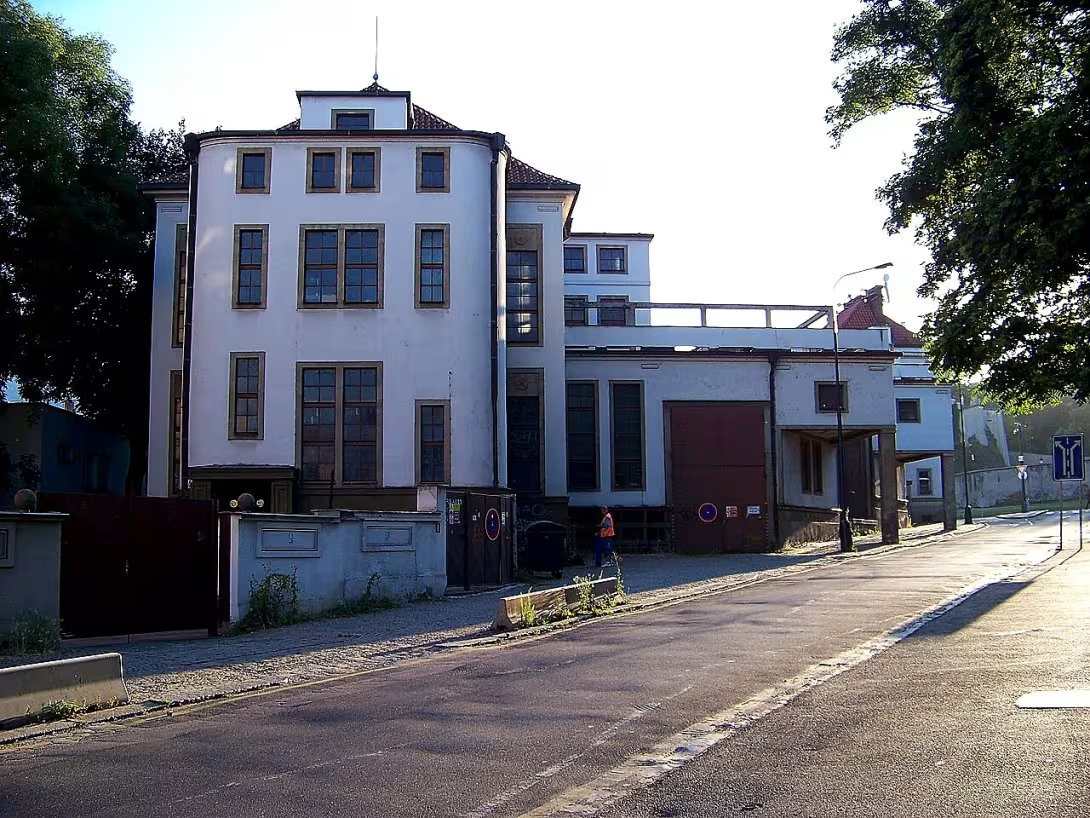
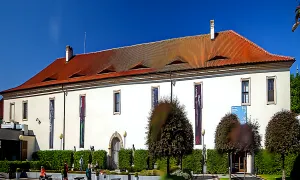
Zengerova Transformační Stanice is a neo-classical building located in Prague's Malá Strana district. Constructed between 1930 and 1932, it originally functioned as a tramway transformation station and is now a protected cultural monument. This site exemplifies the fusion of early 20th-century technological infrastructure with architectural design.
Architect Vilém Kvasnička designed the building in 1929. Construction occurred from 1930 to 1932, with operations commencing in 1932 and colaudation following in 1934. It was built on the site of the former Bruské Kasárny at the corner of Pod Bruskou and U Bruských Kasáren streets, near Chotkovy Sady. The station replaced an older tramway substation located on U Lužického Semináře street. This development took place during a period of cultural and technological advancement in Czechoslovakia, marked by modernist and traditional European architectural trends.
The structure is designed in the neo-classical style, reflecting early 20th-century architectural trends as a former industrial facility for the tramway system.
Named after Václav Zenger, a prominent Czech physicist and educator, the site was officially designated a cultural monument of the Czech Republic in 2015. Between 2020 and 2022, it underwent comprehensive reconstruction to adapt its original industrial purpose for new use.
The building's primary transition is its adaptive reuse from a technical utility station to a cultural space, honoring Václav Zenger's contributions to science and education.
Since 2022, Zengerova Transformační Stanice has served as the headquarters for Kunsthalle Praha. It remains a notable example of early 20th-century architecture in Malá Strana.
The site demonstrates successful integration of industrial heritage into a modern cultural context, attracting those interested in Prague's architectural evolution.
Then and now
Drag the slider to compare how the landmark may have looked when it was built with the view today.
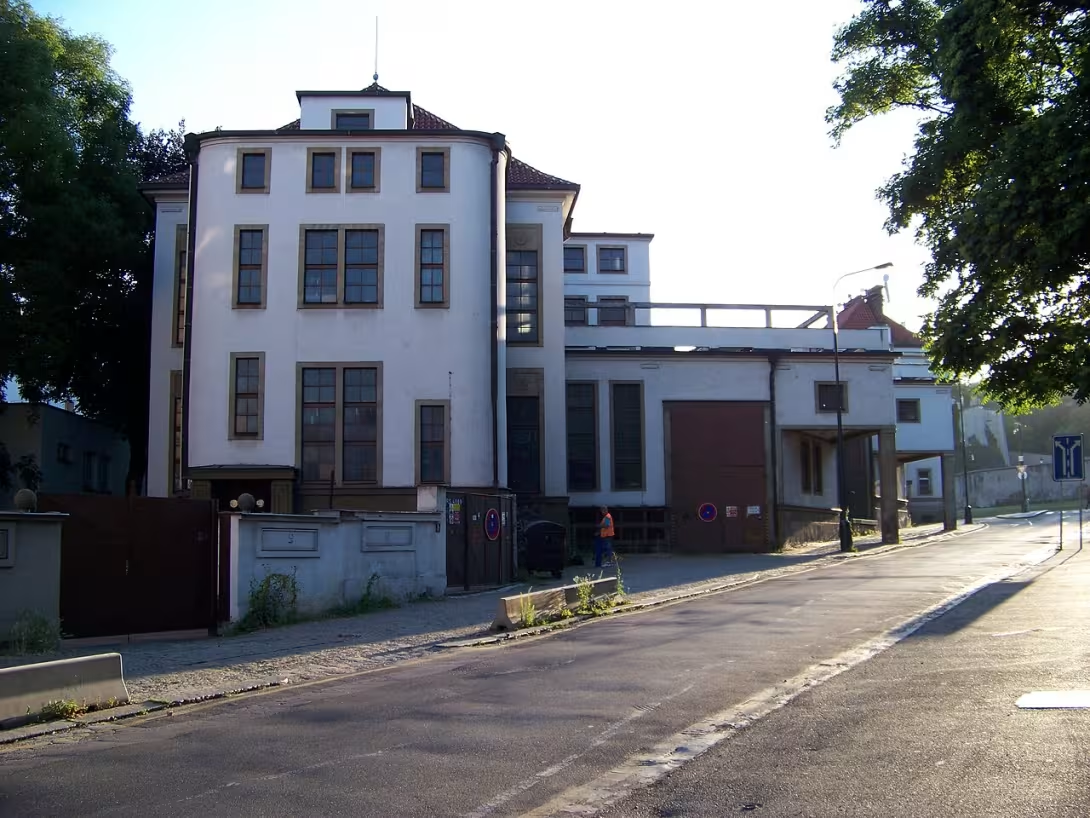
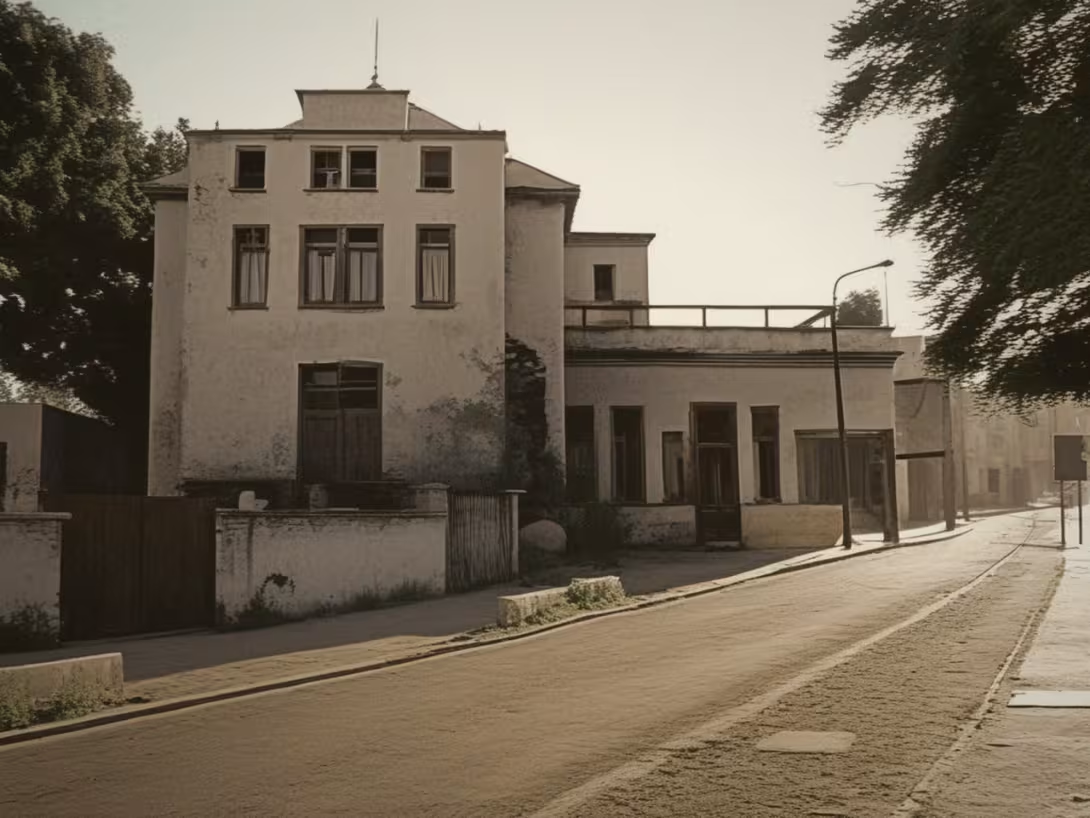
The historical appearance on the left is an AI-generated visualisation and serves as inspiration only.
Historical milestones
- 1932
- The station was inaugurated and began operations.
- 1934
- It underwent a colaudation process.
- 2015
- Designated as a cultural monument of the Czech Republic.
Architectural development
The Zengerova transformační stanice was constructed in the neo-classical style, reflecting early 20th-century architectural trends. Initially serving as a tramway substation, it underwent comprehensive renovations between 2020 and 2022 to accommodate its new role as Kunsthalle Praha.
Historical events
1932: The station was inaugurated and began operations.
1934: It underwent a colaudation process.
2015: Designated as a cultural monument of the Czech Republic.
Points of interest
- Zengerova Transformační Stanice is a neo-classical building located in Prague's Malá Strana district. - Constructed between 1930 and 1932, it originally functioned as a tramway transformation station and is now a protected cultural monument. - The site was named after Václav Zenger, a prominent Czech physicist and educator, and designated a cultural monument of the Czech Republic in 2015. - Since 2022, Zengerova Transformační Stanice has served as the headquarters for Kunsthalle Praha. - The building demonstrates successful integration of industrial heritage into a modern cultural context
Guide
Show guide text
This text was created by artificial intelligence and has not been editorially reviewed. It may contain inaccuracies.
Welcome to the enchanting district of Malá Strana. As you stand here, take a moment to simply look around and breathe in the atmosphere of one of Prague's most historic neighborhoods. Right in front of you stands a building that might, at first glance, seem modest compared to the grand palaces and towering cathedrals nearby, but it tells a fascinating story of modernization, science, and the evolution of the city. You are looking at the Zengerova transformační stanice. While many visitors pass by this site without a second thought, you are now standing before a piece of industrial history that represents the moment when the cutting-edge technology of the early twentieth century met the timeless elegance of Prague's urban landscape.
Let us step back in time to the beginning of the 1930s. At that time, Prague was a city in the midst of a great transformation. The tram system was expanding, and the demand for reliable electrical power was growing rapidly. The city needed a way to manage and distribute this power efficiently to keep the trams moving through the narrow, winding streets of Malá Strana. To meet this need, the decision was made to replace an older, outdated tramway substation with something more modern and durable. Between 1930 and 1932, this structure was brought to life. The task of designing this essential piece of infrastructure was given to the architect Vilém Kvasnička. He was faced with a unique challenge: how to create a functional utility building that would not clash with the historic surroundings of this prestigious district.
Now, I invite you to take a closer look at the building's exterior. As you observe the facade, notice the sense of order and balance. This is a prime example of neo-classical architecture. In the early twentieth century, the neo-classical style was often chosen for public and utility buildings because it conveyed a sense of stability, permanence, and civic pride. Rather than hiding the building's purpose or making it look like a mere warehouse, Vilém Kvasnička gave it a dignified presence. Please take a moment to survey the lines of the building and the way it integrates into the streetscape. You will notice that it does not shout for attention, but rather possesses a quiet, disciplined strength. It is a reminder that even a power station can be a work of art if the architect cares about the visual harmony of the city.
But this building is not just about bricks and mortar; it is also a tribute to a remarkable man. The station is named after Václav Zenger, an esteemed Czech physicist and educator. To understand the significance of this name, we have to think about the era in which this station was built. This was a time of great intellectual ambition in the Czech lands, where science and education were seen as the primary drivers of progress. Václav Zenger embodied this spirit. By naming a critical piece of electrical infrastructure after a physicist, the city was not just labeling a building, but honoring the scientific principles that made the entire tram system possible. When you look at the Zengerova transformační stanice, you are not just looking at a place where electricity was transformed, but at a monument to the human curiosity and academic rigor that Václav Zenger represented throughout his life.
If we look at the timeline of this site, we can see a journey of recognition. The station was officially inaugurated and began its operations in 1932, humming with the energy that powered the city's movement. Shortly after, in 1934, it underwent a formal colaudation process, ensuring that it met all the technical and safety standards of the time. For decades, it served its purpose silently, a hidden gear in the great machine of Prague's public transport. However, as the years passed, the value of the building shifted. It was no longer just valued for its electrical capacity, but for its architectural and historical significance. This recognition culminated in 2015, when the Zengerova transformační stanice was officially designated as a cultural monument of the Czech Republic. This was a pivotal moment, as it ensured that this example of early twentieth-century industrial design would be protected for future generations to appreciate.
There is something quite poetic about the nature of this building. Think about the invisible energy that once flowed through these walls, the currents of electricity being shifted and transformed to push heavy trams up the hills of Malá Strana. There is a certain mystery in how such a functional, technical space can eventually be viewed as a cultural treasure. It challenges us to think about what we value. Often, we only protect the castles and the churches, but the Zengerova transformační stanice reminds us that the history of a city is also written in its power lines, its substations, and its engineering feats. It is a bridge between the world of pure science and the world of aesthetic beauty.
As you stand here, imagine the sounds of 1932: the clanging of the old trams, the bustle of a city modernizing in real-time, and the quiet confidence of an architect like Vilém Kvasnička seeing his vision completed. The building has witnessed the city change around it, surviving the turbulence of the twentieth century to remain a steadfast presence in the neighborhood. It stands as a testament to a time when utility did not have to mean ugliness, and when the city took pride in the architecture of its infrastructure.
Now that you have had a chance to appreciate the Zengerova transformační stanice, I encourage you to continue your journey through the winding alleys of Malá Strana. As you walk, keep an eye out for other hidden gems where the functional meets the beautiful. There are many more stories tucked away in the facades of this district, waiting to be discovered. Thank you for stopping here to honor the legacy of Václav Zenger and the vision of Vilém Kvasnička. Enjoy the rest of your exploration of this magnificent city. Goodbye for now.
Tips for visitors
To fully appreciate the architectural nuances of the Zengerova transformační stanice, consider visiting during the early morning or late afternoon. The soft light during these times is ideal for highlighting the early 20th-century design elements created by the architect Vilém Kvasnička.
Getting to the site is convenient as it is accessible by both car and public transport. To ensure a smooth journey, we recommend checking a local transit search engine for the most up-to-date schedules and connection details.
For photography enthusiasts, the intersection of Pod Bruskou and U Bruských kasáren streets provides excellent vantage points. Capturing the station against the backdrop of the historic Malá Strana district offers a unique perspective of its architectural significance.
If you are visiting with children, the nearby Chotkový sady offers a pleasant environment for a walk. It is a great way to combine a visit to the historical site with a relaxing stroll in a local green space.
Businesses nearby
Events nearby

Zdroj akcí: otevřená data měst a obcí ČR (Národní katalog otevřených dat) a kalendář akcí Národního památkového ústavu.
Nearby
Located at the intersection of Pod Bruskou and U Bruských kasáren streets near Chotkový sadům, the station is in a historically rich area of Prague's Malá Strana district.
Accommodation nearby
Trips and activities nearby
Guided tours, tickets and activities nearby from GetYourGuide
Affiliate link: if you buy from the partner, we may receive a commission. The price for you does not change.
Search tours and activities →Themed route
Thematic Walking Tour: Malá Strana and the Zenger Transformation Station
1. Zenger Transformation Station - *Type:* Historical Infrastructure - *Why Visit:* This station is a unique example of Prague's historical transformation, located at the intersection of Pod Bruskou and U Bruských kasáren streets. It offers a fascinating glimpse into the city's industrial past and its evolution over time.
2. Chotek Gardens (Chotkovy sady) - *Type:* Public Garden - *Why Visit:* Just a short walk from the Zenger Transformation Station, Chotek Gardens is a serene green oasis providing a peaceful escape from the urban bustle of Malá Strana. It is the perfect spot to enjoy nature and observe local life.
3. Pod Bruskou Street - *Type:* Historic Street - *Why Visit:* Stroll along Pod Bruskou Street to experience the timeless charm of Malá Strana, where a blend of architectural styles reflects centuries of history. This area is steeped in cultural heritage and offers picturesque views of Prague.
4. U Bruských kasáren - *Type:* Historic Building - *Why Visit:* Located near the Zenger Transformation Station, U Bruských kasáren is historically significant as part of the former military barracks complex. It is a compelling stop for those interested in Prague's military history.
5. The Intersection Area - *Type:* Cultural Crossroads - *Why Visit:* The area where these sites converge serves as a cultural crossroads, showcasing the harmony of historical and modern influences in Malá Strana. It is an ideal place to conclude your tour and reflect on the dynamic history of Prague.
This tour offers a comprehensive exploration of the Zenger Transformation Station and its immediate surroundings, combining historical insight with scenic beauty in the heart of the vibrant Malá Strana district.
Seasonal recommendations
Spring: The arrival of spring at Zengerova transformační stanice brings a refreshing atmosphere as nature begins to awaken with vibrant colors and blossoming flowers, particularly around the Malá Strana area. During this time, visitors can enjoy longer daylight hours that enhance the natural beauty of the surroundings. It's advisable to dress in layers, as temperatures can be variable, ranging from mild days to cooler evenings. Early mornings or late afternoons are ideal for visiting when crowds are thinner, allowing a more peaceful exploration of the historical site.
Summer: Summer at Zengerova transformační stanice is characterized by lush greenery and warm weather, making it an excellent time for outdoor activities in the Malá Strana district. The longer days provide ample opportunity to explore the area thoroughly, though visitors should be prepared for larger crowds, especially during peak tourist season. Wearing light clothing and comfortable shoes is recommended due to the heat, along with carrying water to stay hydrated. Arriving early can help avoid the busiest times, ensuring a more enjoyable visit.
Autumn: Autumn at Zengerova transformační stanice offers a stunning display of fall foliage, with vibrant reds, oranges, and yellows transforming the landscape into a picturesque scene. The cooler temperatures are perfect for leisurely walks around Malá Strana, as the weather becomes more comfortable compared to summer. This season is ideal for photography enthusiasts looking to capture the natural beauty in its autumnal glory. Layered clothing is advisable to accommodate the fluctuating temperatures, and visiting on weekdays can help avoid larger weekend crowds.
Winter: Winter at Zengerova transformační stanice provides a unique charm with snow-covered landscapes that create a serene and magical atmosphere around Malá Strana. The shorter days mean that visits should be planned early in the day to make the most of daylight hours, as some attractions may have reduced opening times during this season. Wearing warm clothing is essential to stay comfortable while exploring the site, including hats, gloves, and insulated coats. Despite potentially fewer visitors due to the cold weather, it's a wonderful time for those who appreciate the quiet beauty of winter in Prague.
Visualizations and artistic views


The visualisations are generated by artificial intelligence and serve as inspiration.
Photos from the area
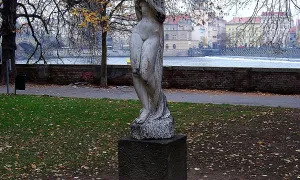
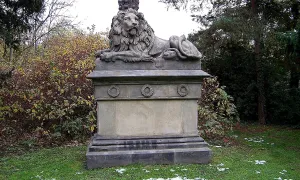
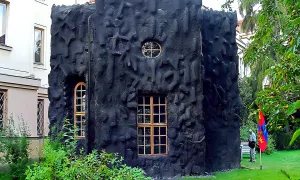
Real photos taken near the monument

Zdroj a licence jsou uvedeny u každého snímku.
Tips from visitors
No tips yet. Be the first!
Log in and add your tip.
Sources and literature
Fotografie: ŠJů (cs:ŠJů) / CC BY-SA 3.0 — Wikimedia Commons. The author and licence also appear when you hover over the image.
Faktickým podkladem tohoto textu byl článek na Wikipedii, jehož autory jsou přispěvatelé Wikipedie. Článek je dostupný pod licencí CC BY-SA 4.0.
Location on the map

Příběhy a pověsti
Legendy, pověsti a příběhy spjaté s touto památkou

Fotografie návštěvníků
Zatím žádné fotografie. Buďte první, kdo přidá fotografii z návštěvy!
Přihlaste se a přidejte svou fotografii nebo hodnoťte.
Za ověřenou návštěvu v aplikaci získáte víc bodů — poznáme podle GPS, že jste na místě.
Reviews and comments