



Nové proboštství (Vyšehrad) House
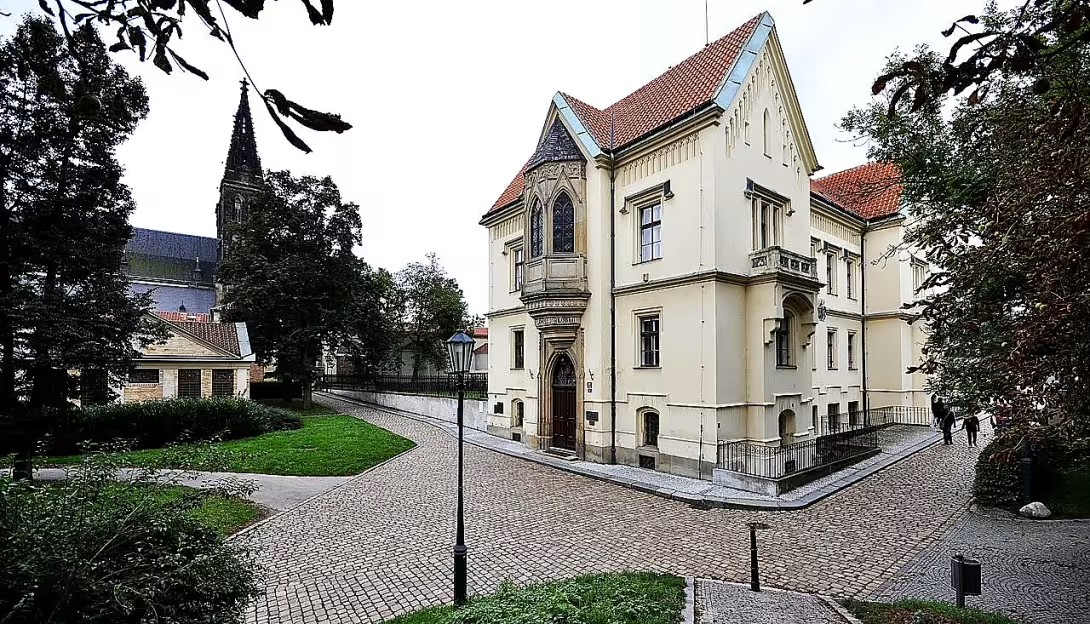
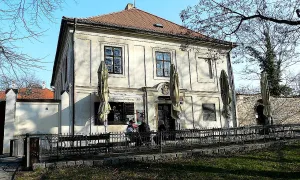
Nové proboštství in Vyšehrad, Prague, is a remarkable example of Neo-Gothic architecture. Constructed between 1872 and 1874 under architect Josef Níklas, it was commissioned by Václav Štulc, then provost of Vyšehrad. This building is part of the esteemed Vyšehrad National Cultural Monument and enjoys protected heritage status. Its distinctive design features a ground plan shaped like an 'H', with notable elements such as a central risalit and a chapel dedicated to Saint Clement.
The construction began during a period when Prague experienced significant cultural and architectural development, influenced by nationalistic movements across Europe. This era saw the revival of historical styles like Neo-Gothic architecture, reflecting broader efforts to assert Czech identity and heritage. The building's design was initially proposed by Antonín Baum but ultimately realized through Josef Níklas' less ostentatious plan after Baum’s proposal was rejected.
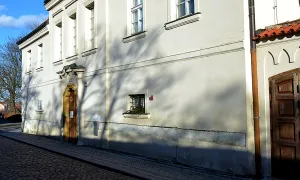
Architecturally, Nové proboštství showcases a Neo-Gothic style with its 'H'-shaped ground plan. The structure features a central risalit rising from the eastern three-bay façade, above which sits a chapel dedicated to Saint Clement—a nod to a nearby vanished church of the same name. This chapel is adorned with paintings by Josef Hellich depicting Saints Václav and Kliment, while the phrase "Soli Deo Gratia" (Praise be to God alone) graces the archway below. The building's façades are symmetrical, with corner risalits capped by triangular gables, and balconies on consoles in the upper floors add further detail.
Over its history, Nové proboštství has undergone several significant changes in ownership and function. Initially serving as a residence for Vyšehrad provosts until 1948, it later became an office for the Obvodní národní výbor in Prague 2. Following the political shifts of 1989, it housed a marketing agency before becoming part of Charles University's CIEE Study Center.
The building has experienced three major renovations: a basement reconstruction in 1938, façade restoration in 1940, and a comprehensive renovation from 1993 to 1994. These updates have ensured its preservation as both a historical monument and functional space. Additionally, the western façade features a painted labyrinth inspired by the one at Notre-Dame Cathedral in Chartres, adding an intriguing artistic element.
Surrounding Nové proboštství are Štulcovy sady, a park established concurrently with the building's construction. This area includes a monument featuring a bronze bust of Václav Štulc, further linking the site to its historical roots.
Today, Nové proboštství remains an accessible and significant cultural landmark in Prague. Its architectural beauty and rich history make it a worthwhile visit for those interested in exploring Czech heritage and Neo-Gothic design. Visitors are invited to appreciate this monument's unique blend of artistry and history while enjoying the serene surroundings of Štulcovy sady.
Then and now
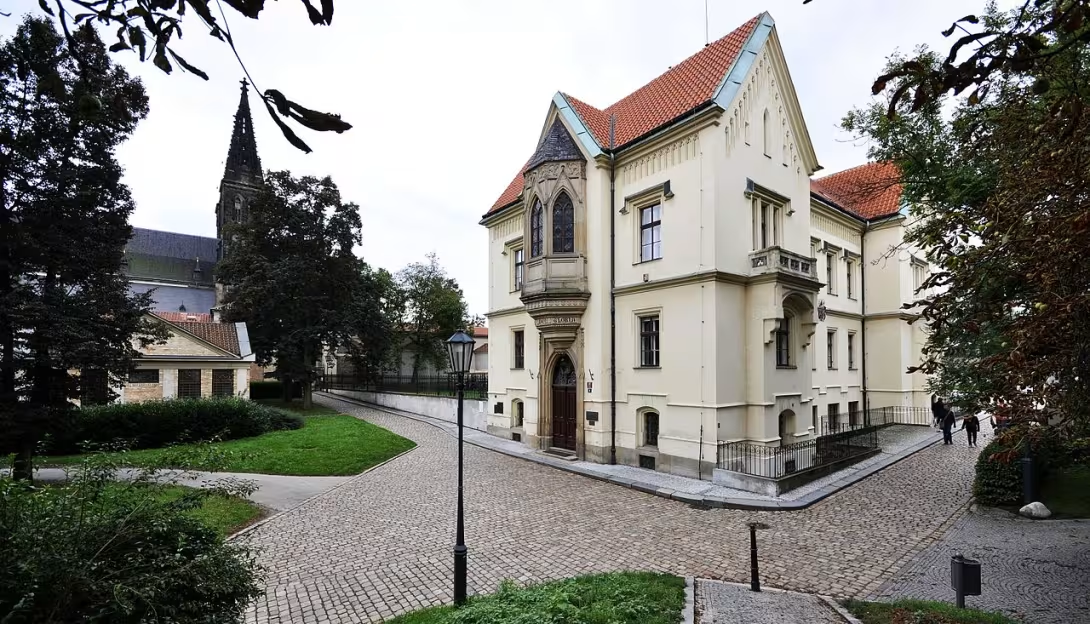
Drag the slider to compare how the landmark may have looked when it was built with the view today.
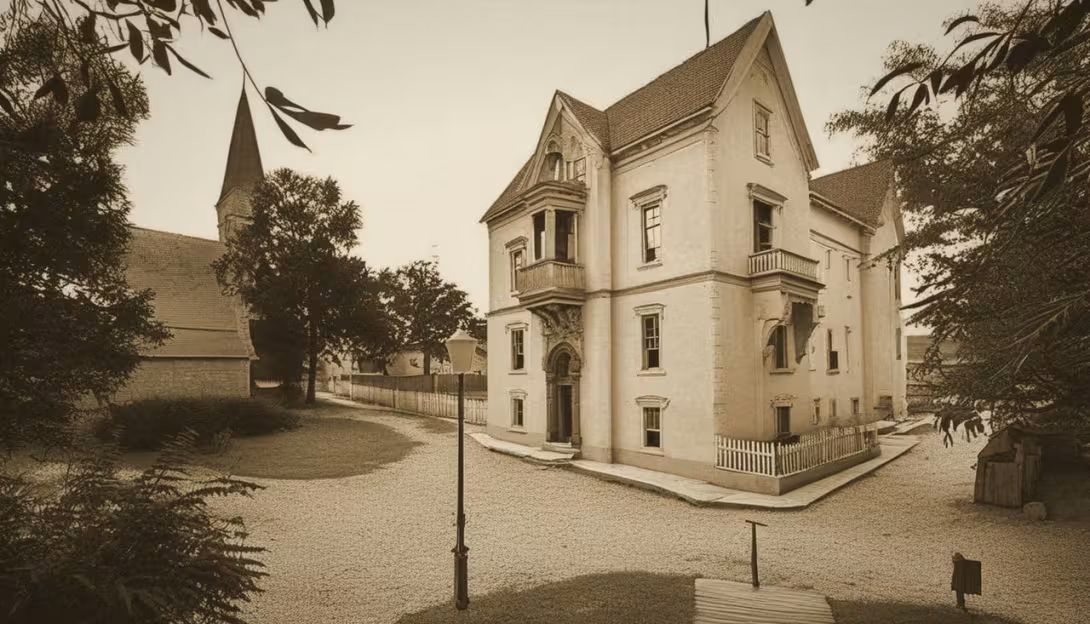
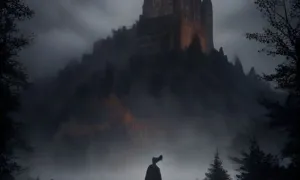
The historical appearance on the left is an AI-generated visualisation and serves as inspiration only.
Historical milestones
- 1874
- Completion of construction.
- 1938
- Reconstruction of the basement.
- 1940
- Facade restoration.
- 1993
- General renovation completed in 1994.
Architectural development
The building was designed by Josef Níklas after an initial proposal by Antonín Baum was rejected. It features Neo-Gothic style with a ground plan shaped like 'H'. The structure has undergone three major renovations, including reconfiguration of the basement in 1938 and facade restoration in 1940.
Historical events
Construction completed in 1874.
Underwent significant renovations in 1938, 1940, and between 1993-1994.
Owners
Initially served as the residence for Vyšehrad provosts until 1948, then used by Obvodní národní výbor in Prague 2. Post-1989, it housed a marketing agency and later became part of Charles University (CIEE Study Center).
Points of interest
- The initial design for Nové proboštství was proposed by architect Antonín Baum but ultimately rejected in favor of Josef Níklas' more modest plan, illustrating the complexities and debates surrounding architectural aesthetics during its construction period.
- A painted labyrinth on the western façade of Nové proboštství is inspired by the famous labyrinth at Notre-Dame Cathedral in Chartres, adding a layer of artistic intrigue and connecting it to broader European ecclesiastical traditions.
- The chapel within Nové proboštství honors Saint Clement, referencing a nearby church dedicated to him that no longer exists, thus serving as a symbolic preservation of local religious heritage.
- From 1948 until the political changes of 1989, Nové proboštství functioned as an office for Prague's Obvodní národní výbor, reflecting its adaptation to various administrative roles throughout Czech history.
- The park surrounding Nové proboštství, Štulcovy sady, was established at the same time as the building and features a monument with a bronze bust of Václav Štulc, linking the site's landscape directly to its historical benefactor.
Guide
This guide is narrated by a synthetic voice generated by artificial intelligence.
Show guide text
This text was created by artificial intelligence and has not been editorially reviewed. It may contain inaccuracies.
Welcome to the historic site of Nové proboštství in Vyšehrad, Prague—a stunning example of Neo-Gothic architecture that exudes an air of timeless elegance. As you stand here, take a moment to absorb the intricate details and rich history surrounding this remarkable building.
Constructed between 1872 and 1874 under the expert guidance of architect Josef Níklas, Nové proboštství was commissioned by Václav Štulc, the then provost of Vyšehrad. This period marked a time when architectural styles were evolving rapidly, with Neo-Gothic becoming increasingly popular for its ability to evoke grandeur and historical continuity.
As you gaze at the building, notice how it seamlessly integrates into the larger context of Vyšehrad National Cultural Monument. The design features an intriguing ground plan that reflects both functionality and aesthetic appeal. While specific visual elements like painted labyrinths on the western façade are part of its charm, what truly stands out is the overall harmony of the structure with its surroundings.
The story behind Nové proboštství is as fascinating as its architecture. Initially proposed by architect Antonín Baum, his design was ultimately set aside in favor of Josef Níklas' more modest plan. This decision highlights the complexities and debates surrounding architectural aesthetics during that era—a testament to the dynamic nature of architectural evolution.
Over the years, Nové proboštství has undergone several renovations to preserve its historical integrity. Notably, in 1938, there was a reconstruction of the basement, followed by a façade restoration in 1940. The most recent general renovation concluded in 1994, ensuring that this architectural gem continues to captivate visitors.
As you continue exploring, let your imagination wander through the corridors of time and consider the stories embedded within these walls. Each stone tells a tale of ambition, artistry, and dedication.
We invite you to delve deeper into the history and beauty of Nové proboštství. Explore every nook and cranny, and perhaps you'll uncover more secrets hidden in its storied past. Thank you for joining us on this journey through time at Vyšehrad. Enjoy your visit!
Tips for visitors
The best time to visit Nové proboštství is during the late spring or early autumn months, when the weather is pleasant for walking around Vyšehrad's scenic surroundings. These seasons offer beautiful natural lighting and fewer crowds, allowing you to fully appreciate the Neo-Gothic architecture of the building. Additionally, visiting in the morning can provide softer light ideal for photography and a quieter atmosphere before the day gets busier.
Public transportation is recommended as it provides convenient access; you can take trams or buses that stop close to Vyšehrad. Always check the latest routes and schedules in a transport app or online for the most efficient journey.
When visiting Nové proboštství, consider bringing comfortable walking shoes as there are several areas of interest around Vyšehrad to explore on foot. A camera is advisable for capturing the stunning architecture and serene park landscapes. If you plan to spend a significant amount of time exploring, bring water and perhaps some snacks, especially if visiting with children.
For photography enthusiasts, Nové proboštství offers several picturesque spots, particularly during the golden hours of sunrise or sunset when the light beautifully accentuates its Neo-Gothic features. The park surrounding the building also provides a variety of angles and natural backdrops for photos. Be mindful of other visitors and respect any posted photography restrictions.
In addition to Nové proboštství, families with children can explore nearby attractions within a 30-minute walk or short public transport ride. Štulcovy sady is an ideal spot for a leisurely stroll or picnic, offering open spaces and playgrounds. The Vyšehrad Basilica and the adjacent cemetery are also worth visiting, providing historical insights and beautiful views of Prague.
Frequently asked questions
Can the monument be visited?
This is a residential or farm building, not a museum with opening hours. Please view it from public space and respect the owners' privacy. We have no information about access to the interior.
Where is the monument?
Location: K rotundě, Vyšehrad, Praha, Hlavní město Praha. The map on this page shows the exact spot.
Why is the monument protected?
It is listed in the Central List of Cultural Monuments of the Czech Republic as a national cultural monument (register no. 113). It is protected as part of a larger listed ensemble.
Businesses nearby
Do you run a restaurant, accommodation, shop, museum, rental, wellness or other visitor service near this monument? Show yourself directly to the people heading to it — this is how they will see you in the app and on the web:
Events nearby


Zdroj akcí: otevřená data měst a obcí ČR (Národní katalog otevřených dat) a kalendář akcí Národního památkového ústavu.
Nearby
Nové proboštství is surrounded by Štulcovy sady, a park established concurrently with the building's construction. The area includes a monument featuring a bronze bust of Václav Štulc.
Accommodation nearby
Trips and activities nearby
Guided tours, tickets and activities nearby from GetYourGuide
Affiliate link: if you buy from the partner, we may receive a commission. The price for you does not change.
Search tours and activities →Themed route
Thematic Walking Tour: Nové proboštství and Surroundings
1. Nové proboštství (Vyšehrad)
Type: Architectural Landmark
This modernist building serves as the residence for the Dean of Vyšehrad, reflecting a unique blend of contemporary design with historical surroundings. Its construction in the 20th century marked a significant addition to the architectural landscape of Vyšehrad.
2. Štulcovy sady
Type: Park
Adjacent to Nové proboštství, Štulcovy sady was established concurrently with the building's construction, offering visitors lush greenery and a tranquil setting for relaxation. The park provides an ideal backdrop for appreciating both nature and architecture.
3. Monument of Václav Štulc
Type: Historical Monument
Located within Štulcovy sady, this monument features a bronze bust of Václav Štulc, the architect behind Nové proboštství. It is an important site for those interested in architectural history and the contributions of prominent figures to Prague's urban landscape.
This tour offers a concise exploration of significant sites around Nové proboštství, focusing on its historical context and surrounding green spaces.
Seasonal recommendations
Spring: Visiting the New Provost's House at Vyšehrad during spring offers a delightful experience as nature begins to awaken. The estate is surrounded by blooming gardens and lush greenery, creating an enchanting atmosphere that complements its historical charm. Mornings are particularly beautiful with soft sunlight filtering through budding trees, casting a gentle glow over the architecture. This season often sees moderate visitor numbers, making it ideal for those seeking a quieter exploration of the site. Visitors should dress in layers to accommodate the variable temperatures and consider bringing an umbrella or raincoat as spring showers can be frequent.
Summer: Summer is the peak tourist season at Vyšehrad's New Provost's House, with long daylight hours enhancing the experience of exploring its historical features. The warm weather allows visitors to fully appreciate the surrounding gardens in bloom, offering a vibrant backdrop for photography and leisurely strolls. However, this popularity means larger crowds, so it is advisable to arrive early in the day to avoid queues and secure better viewing opportunities. Lightweight, breathable clothing is recommended to stay comfortable during the warmer months, along with sun protection such as hats or sunscreen.
Autumn: Autumn brings a unique charm to Vyšehrad's New Provost's House, as the surrounding landscape transforms into a tapestry of warm hues. The crisp air and golden foliage create an atmospheric setting that enhances the historical ambiance of the site. Visitor numbers typically decrease compared to summer, offering a more relaxed experience. This season is perfect for those who enjoy cooler temperatures and picturesque scenery. Layered clothing is recommended to adapt to changing weather conditions, and carrying a light jacket or sweater can ensure comfort during your visit.
Winter: The winter months at Vyšehrad's New Provost's House offer a serene and mystical atmosphere as the estate is cloaked in snow or frosty landscapes. The subdued lighting of shorter days adds an intimate quality to exploring its historical interiors, while the surrounding area takes on a quiet beauty with fewer visitors around. Warm clothing is essential, including coats, hats, gloves, and sturdy footwear, to ensure comfort during your visit in the colder months.
Visualizations and artistic views


The visualisations are generated by artificial intelligence and serve as inspiration.
Photos from the area
Real photos taken near the monument


Zdroj a licence jsou uvedeny u každého snímku.
Tips from visitors
No tips yet. Be the first!
Log in and add your tip.
Sources and literature
Photos: MONUDET / CC BY-SA 4.0 — Wikimedia Commons. The author and licence also appear when you hover over the image.
Faktickým podkladem tohoto textu byl článek na Wikipedii, jehož autory jsou přispěvatelé Wikipedie. Článek je dostupný pod licencí CC BY-SA 4.0.
Location on the map

Příběhy a pověsti
Legendy, pověsti a příběhy spjaté s touto památkou
Fotografie návštěvníků
Zatím žádné fotografie. Buďte první, kdo přidá fotografii z návštěvy!
Log in a přidejte svou fotografii nebo hodnoťte.
Za ověřenou návštěvu v aplikaci získáte víc bodů — poznáme podle GPS, že jste na místě.
Reviews and comments