






Radvanice (Ostrava) Settlement
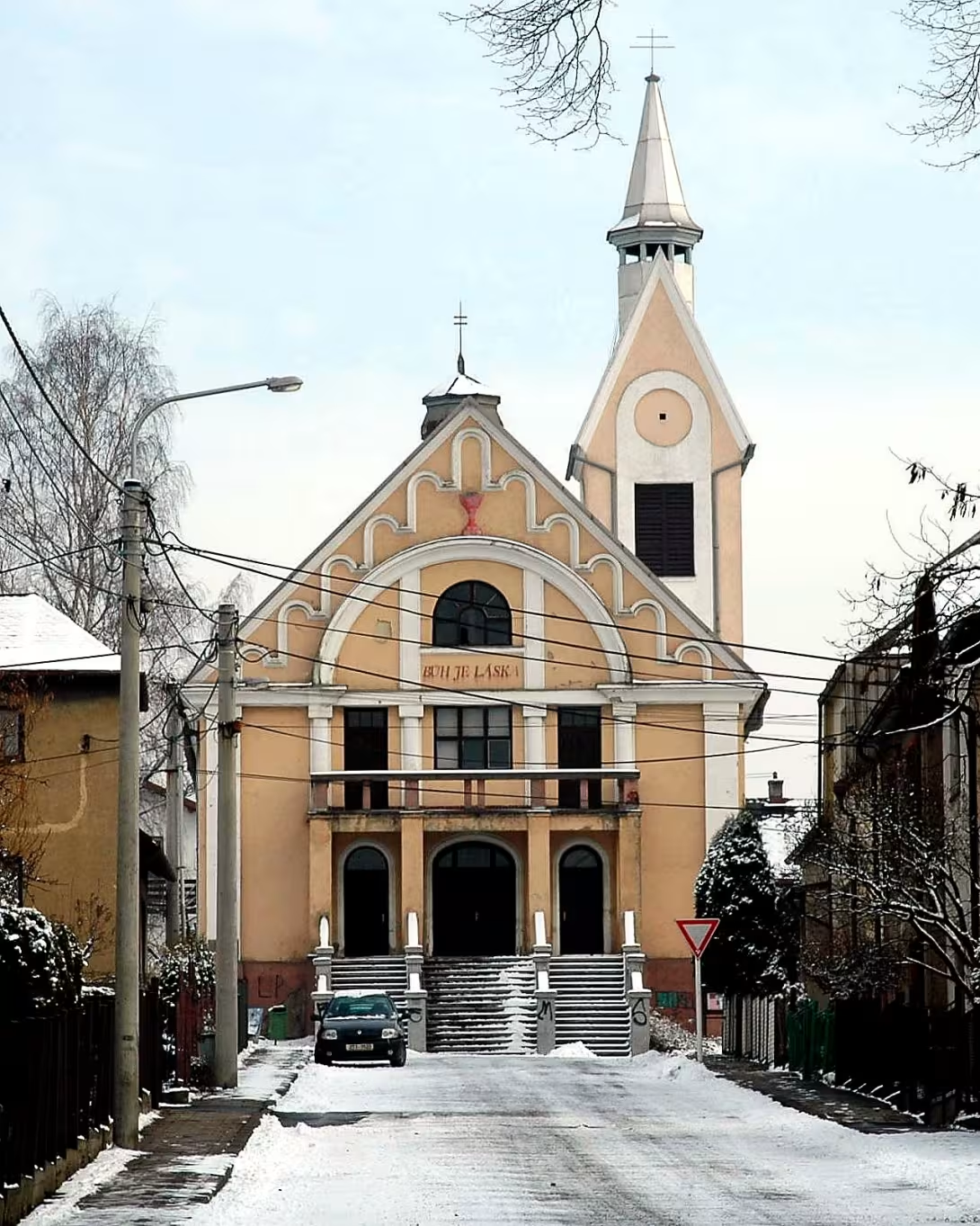
Radvanice is a historic part of Ostrava, located in the Moravian-Silesian Region of the Czech Republic. This settlement has a rich history dating back to the 14th century, with the first written records of Radvanice dating back to 1305. It was a separate municipality until 1941, when it merged with Moravská Ostrava, and has since undergone significant changes, including the development of the coal mining industry in the late 19th century.
Initially, the area was part of the Duchy of Teschen, formed in 1290, and was ruled by a local branch of the Piast dynasty. In 1327, the duchy became a fee of the Kingdom of Bohemia, which later became part of the Habsburg monarchy. The area's history is marked by industrialization, with the discovery of coal in 1896 leading to the development of the coal mining industry. Locals worked mainly in coal mines, and the area was also home to various industries, including a brewery and a distillery.
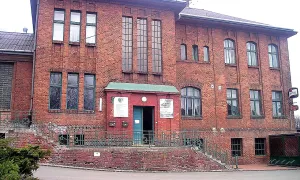
The architecture reflects the area's industrial heritage, with many buildings dating back to the 19th and early 20th centuries. Over the centuries, the area has undergone significant changes, with the establishment of various industries and the development of Ostrava. The first school in Radvanice was established in 1868, and the first Czechoslovak church was established in Radvanice in 1920.
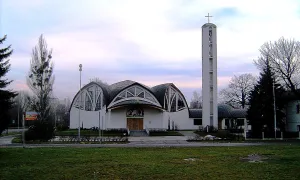
Radvanice is home to the oldest Czechoslovak church in the country, and the area has a strong tradition of spiritualism, with a society of spiritists established in 1914. The area also features historic buildings, including a brewery and a distillery. Located in Ostrava, Radvanice is surrounded by industrial and residential buildings, with the nearby Slezská Ostrava district.
Today, Radvanice is a notable part of Ostrava's history and culture, offering a glimpse into the city's industrial past. Visitors can explore the historic buildings and learn about the area's rich history, including its development as a coal mining town and its role in the establishment of the Czechoslovak church. Radvanice is a must-visit destination for those interested in history, architecture, and cultural heritage.
Historical milestones
- 1305
- First written records of Radvanice date back to this year.
- 1912
- Commercial coal mining began in the area.
- 1920
- The first Czechoslovak church was established in Radvanice.
- 1941
- Radvanice was merged with Moravská Ostrava.
Architectural development
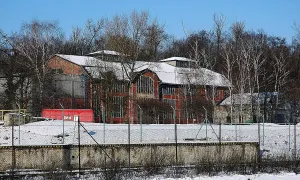
The area has undergone significant changes over the centuries, with the discovery of coal in 1896 leading to the development of the coal mining industry. The area has also been home to various industries, including a brewery and a distillery. The architecture of the area reflects its industrial heritage, with many buildings dating back to the 19th and early 20th centuries.
Historical events
First written records of Radvanice date back to 1305.
The area was part of the Polish-Ostrava estate until the 17th century.
The first school in Radvanice was established in 1868.
The first Czechoslovak church was established in Radvanice in 1920.
Owners
Jan Skrbenský z Hříště, Jan Jaroslav Skrbenský, Terezie Kneisselová, Josef and Karolína Neumann, Wilczkovi (Vlčkovi) z Polské Ostravy
Points of interest
– The area was initially part of the Duchy of Teschen, which was formed in 1290 and was ruled by a local branch of the Piast dynasty.
– The first school in Radvanice was established in 1868, but the first Czechoslovak church was established in Radvanice in 1920, making it the oldest Czechoslovak church in the country.
– The area has a strong tradition of spiritualism, with a society of spiritists established in 1914, which is a lesser-known aspect of Radvanice's history.
Guide
This guide is narrated by a synthetic voice generated by artificial intelligence.
Show guide text
This text was created by artificial intelligence and has not been editorially reviewed. It may contain inaccuracies.
Welcome to Radvánice, the historic part of Ostrava. You are standing in front of a splendid example of architecture that reflects the rich history of this location dating back to the 14th century. Radvánice was an independent municipality until 1941 when it merged with Moravská Ostrava.
Let's travel back in time and see how this locality developed. The first written mentions of Radvánice date back to 1305. Since then, significant events have taken place here that changed the face of this location. In 1896, coal was discovered here, leading to the development of the mining industry.
Take a look at the buildings around you, which are characteristic of different periods. Examine the façade of the building in front of you, which is an example of architecture from that era. The interior spaces of the building are also interesting, but we won't explore them today.
Radvánice was home to many notable personalities, but unfortunately, their names are not known. Commercial coal mining began here in 1912, leading to industrial development in this area. The first Czechoslovak church was founded in Radvánice in 1920.
Let's return to the present and invite you to fall in love with Radvánice. Return to the past and explore more interesting aspects of this location.
Tips for visitors
The best time to visit Radvanice is during the spring and summer months when the weather is mild and sunny, making it ideal for outdoor exploration.
Parking is available in the surrounding streets, but be aware that parking fees may apply. Alternatively, you can use public transportation, such as buses or trams, to get to Radvanice.
It's a good idea to bring comfortable walking shoes, as you'll likely be doing a lot of walking during your visit.
For photography enthusiasts, the best spots to capture stunning shots are during the golden hour, just before sunset, when the light is soft and warm.
If you're traveling with children, consider visiting the nearby Slezská Ostrava district, which has a playground and other family-friendly attractions within a 30-minute walk from Radvanice.
Businesses nearby
Do you run a restaurant, accommodation, shop, museum, rental, wellness or other visitor service near this monument? Show yourself directly to the people heading to it — this is how they will see you in the app and on the web:
Events nearby
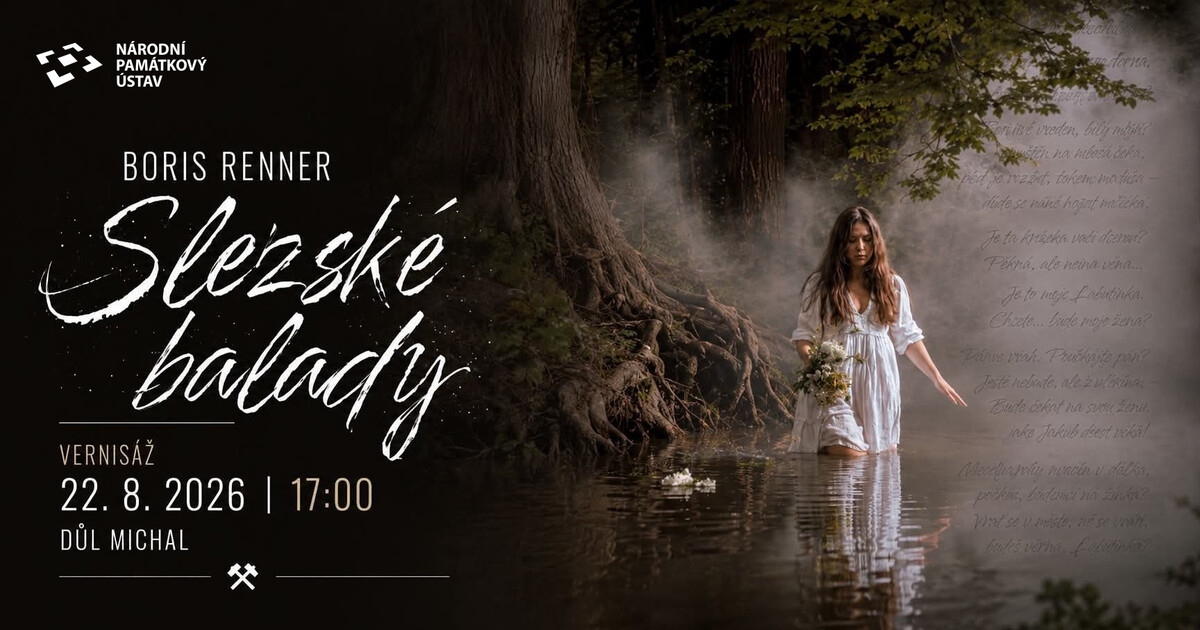
Zdroj akcí: otevřená data měst a obcí ČR (Národní katalog otevřených dat) a kalendář akcí Národního památkového ústavu.
Nearby
Radvanice is located in the city of Ostrava, in the Moravian-Silesian Region of the Czech Republic. The area is surrounded by industrial and residential buildings, with the nearby Slezská Ostrava district.
Accommodation nearby
Themed route
Radvanice (Ostrava)
1. Slezská Ostrava Typ: městský obvod Proč stojí za návštěvu: Slezská Ostrava je jedním z největších městských obvodů Ostravy, který nabízí širokou škálu kulturních a historických zajímavostí. Je to ideální místo, kde se můžete seznámit s místní kulturou a historií.
2. Dům U černého medvěda Typ: dům Proč stojí za návštěvu: Dům U černého medvěda je unikátní památka, která nabízí zajímavý pohled na historii Ostravy. Jedná se o jeden z nejstarších domů v Ostravě, který je dnes využíván jako kavárna a restaurace.
3. Ostrava - Dolní Typ: železniční stanice Proč stojí za návštěvu: Železniční stanice Ostrava - Dolní je důležitým dopravním uzlem v Ostravě. Je to místo, kde se můžete seznámit s moderní dopravou a vidět, jak funguje železniční doprava v České republice.
Seasonal recommendations
Jaro: In the spring season, Radvanice is overflowing with flowers and greenery, creating a pleasant atmosphere. A specific element of this time is also sunny weather, which allows for unrestricted visits to historical sites. We recommend visiting Radvanice in the early morning or late afternoon during spring to avoid crowds coming for work tours. Clothing should be light and comfortable for strolls through flower gardens.
Léto: The main summer season is summer when Radvanice attracts tourists with its flower gardens and historical buildings. A specific element of this time is the heat and sun, which requires visitors to wear clothing suitable for warm weather. We recommend visiting Radvanice earlier in the day to avoid crowds coming for lunch breaks. Don't forget to bring sunscreen and water to prevent sunburn.
Podzim: In autumn, Radvanice is overflowing with colorful leaves and blooming plants, creating a unique atmosphere. A specific element of this time is cooler and wetter weather, which requires clothing more suitable for autumn conditions. We recommend visiting Radvanice in the early morning or late afternoon during autumn to avoid crowds coming for work tours.
Zima: In winter, Radvanice is closed, so it's best to visit when there is snowy weather. A specific element of this time is the snow cover, which creates a unique atmosphere. We recommend visiting Radvanice in the early morning or late afternoon to avoid crowds coming for work tours. Clothing should be warm and protective against the cold.
Visualizations and artistic views


The visualisations are generated by artificial intelligence and serve as inspiration.
Photos from the area
Real photos taken near the monument


Zdroj a licence jsou uvedeny u každého snímku.
Tips from visitors
No tips yet. Be the first!
Log in and add your tip.
Sources and literature
Fotografie: Petr Štefek / CC BY 3.0 — Wikimedia Commons. The author and licence also appear when you hover over the image.
Faktickým podkladem tohoto textu byl článek na Wikipedii, jehož autory jsou přispěvatelé Wikipedie. Článek je dostupný pod licencí CC BY-SA 4.0.
Location on the map


Příběhy a pověsti
Legendy, pověsti a příběhy spjaté s touto památkou
Příběh: Radvanice (Ostrava)
Bylo to v pondělí ráno, kdy Jakub Hrubý, známý lokálním obyvatelům jako „Důvěrník šedého lesa“, procházel starobylými uličkami Radvanic. Před ním vystoupalo …
Číst příběh
Pověst: Radvanice (Ostrava)
Staří obyvatelé Radvanic vyprávějí, že právě pod zdejší zemí, kde horníci začali razit první šachty a kde se štolami line věčný chlad, se zrodilo něco, co ne…
Číst příběhFotografie návštěvníků
Zatím žádné fotografie. Buďte první, kdo přidá fotografii z návštěvy!
Přihlaste se a přidejte svou fotografii nebo hodnoťte.
Za ověřenou návštěvu v aplikaci získáte víc bodů — poznáme podle GPS, že jste na místě.
Reviews and comments