



Zámek Miletín Chateau
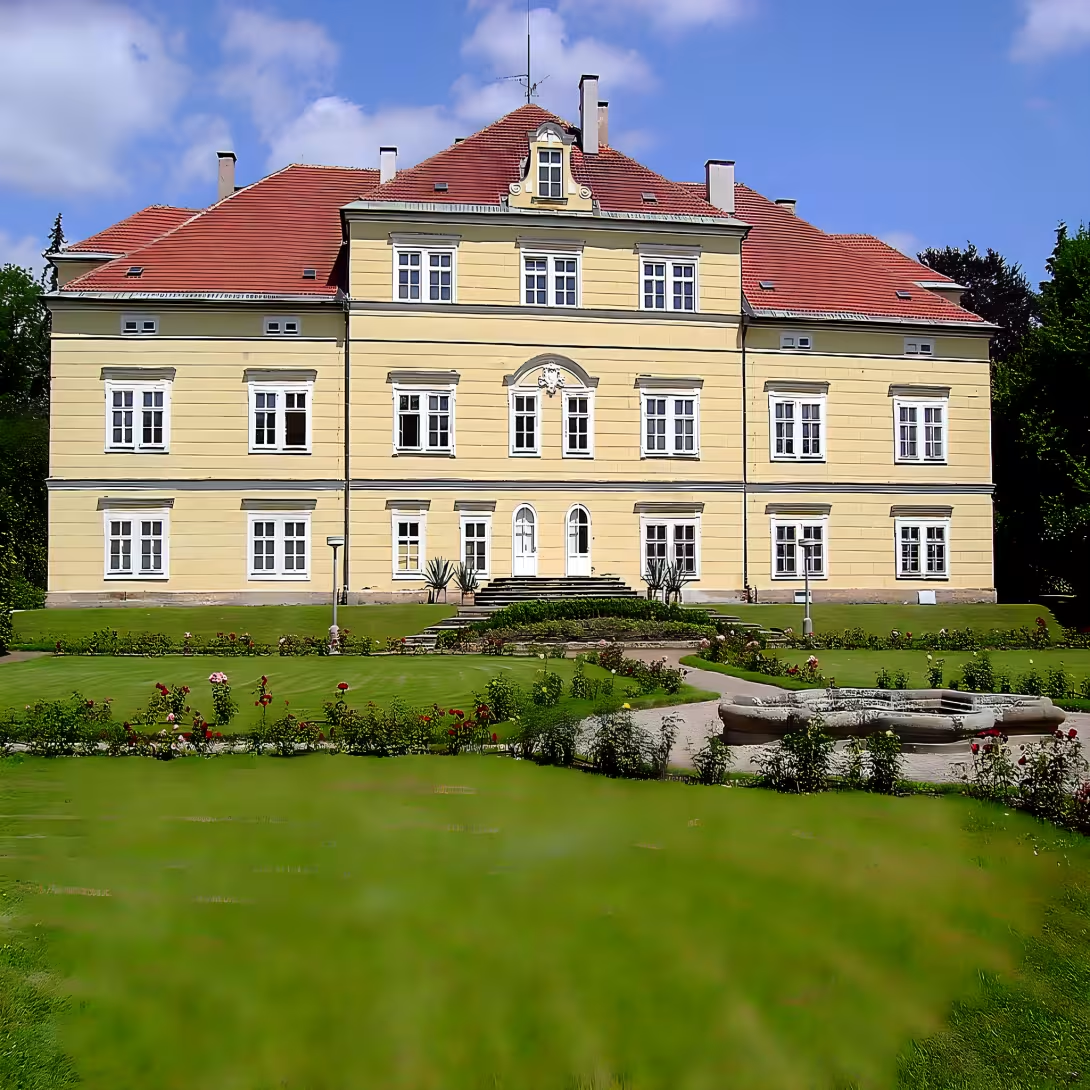
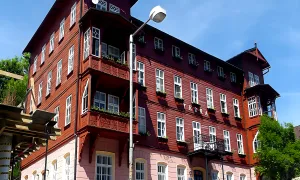
Miletín is a Baroque castle located in Podkrkonoší. The construction has a typical baroque form of a rectangular plan with two-story rizality on all facades. The north side of the castle features an arcade underpass with balcony and Baroque portal.
The roots of the settlement in Miletín range back to the twelfth century. In the places of the historical core there was an early medieval fort or fortification of the prince's court. The first written mention dates back to 1124. This two-piece fort occupied an area of approximately twelve hectares and its fortifications reached to today's Tyršov Street.
At the beginning of the 13th century, Miletín became the nobleman property of Basslav, son of Vchynov, who gave it to his wife Domaslav in 1241. It transferred him to the Order of German Knights. The Order built a commendation, the remains of which were partially preserved in the form of cellars with a wonder from the late Romanesque or early Gothic era. In the following centuries, owners and owners' rights changed. Since the middle of the 14th century, part of Miletín was owned by Lichtenburg, who had a treadmill with a fortress. In 1437 Hynek Krušin IV. from Lichtenburg acquired the entire town of Miletín into collateral from Emperor Zikmund. In 1541 Jan Trčka sold the entire estate to Zikmund of Smiřice for six thousand kicks of Czech grosches.
In 1565 Miletín was referred to in the minutes as a fortress, but in 1628, in the record Albrecht of Valdštejn, it was already called a lock. The current Baroque castle was founded in 1693 by Jiří Fridrich Count of Oppersdorf. Not yet in 1699, he burned for the most part. In 1703, a new treaty was concluded for its completion. In 1753, the roof burned down in the castle. Josef Jan Sosnovec, who owned the castle from 1766 to 1780, had the building repaired and rebuilt at the main entrance the gazebo on which he had made two lions with his mark.
In 1846 the big fire destroyed the castle - burned down until the arches on the ground floor. The following year, the Empire style was restored under the leadership of the owner Hynek Václav Falge. After 1882 Prince Alexander z Schönburg-Hartensteinu gave the castle tastefully repaired.
Then and now
Drag the slider to compare how the landmark may have looked when it was built with the view today.
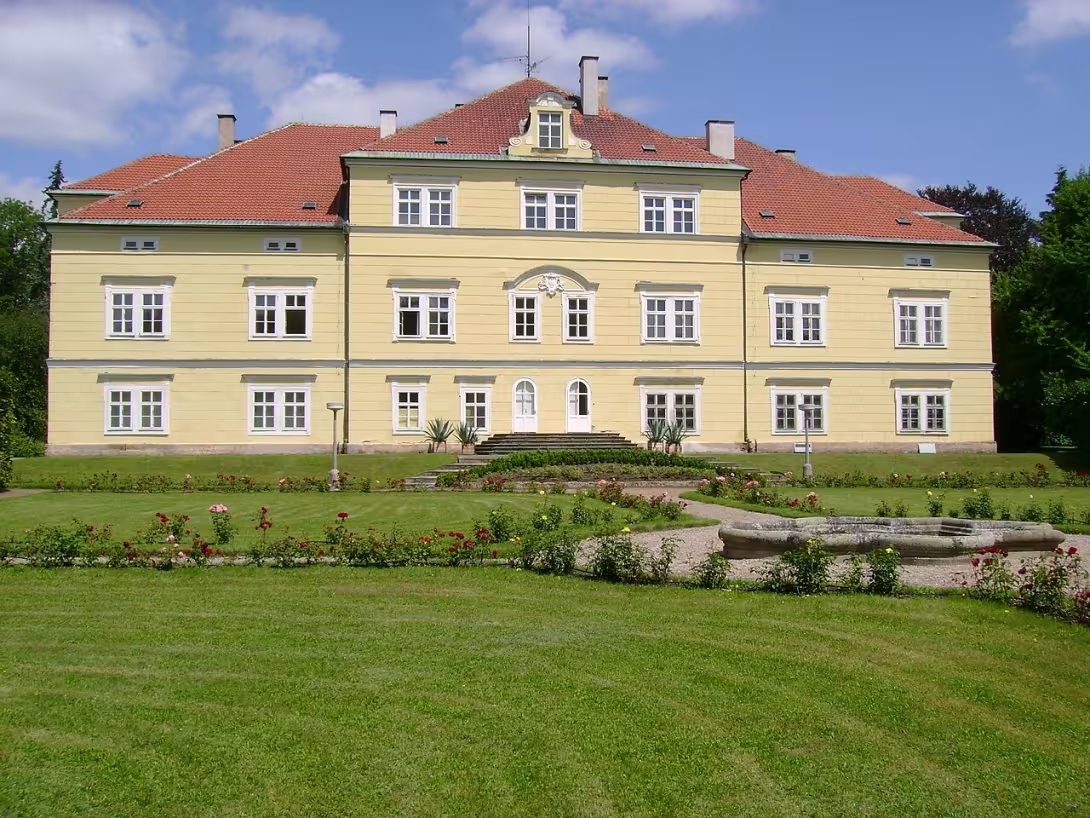
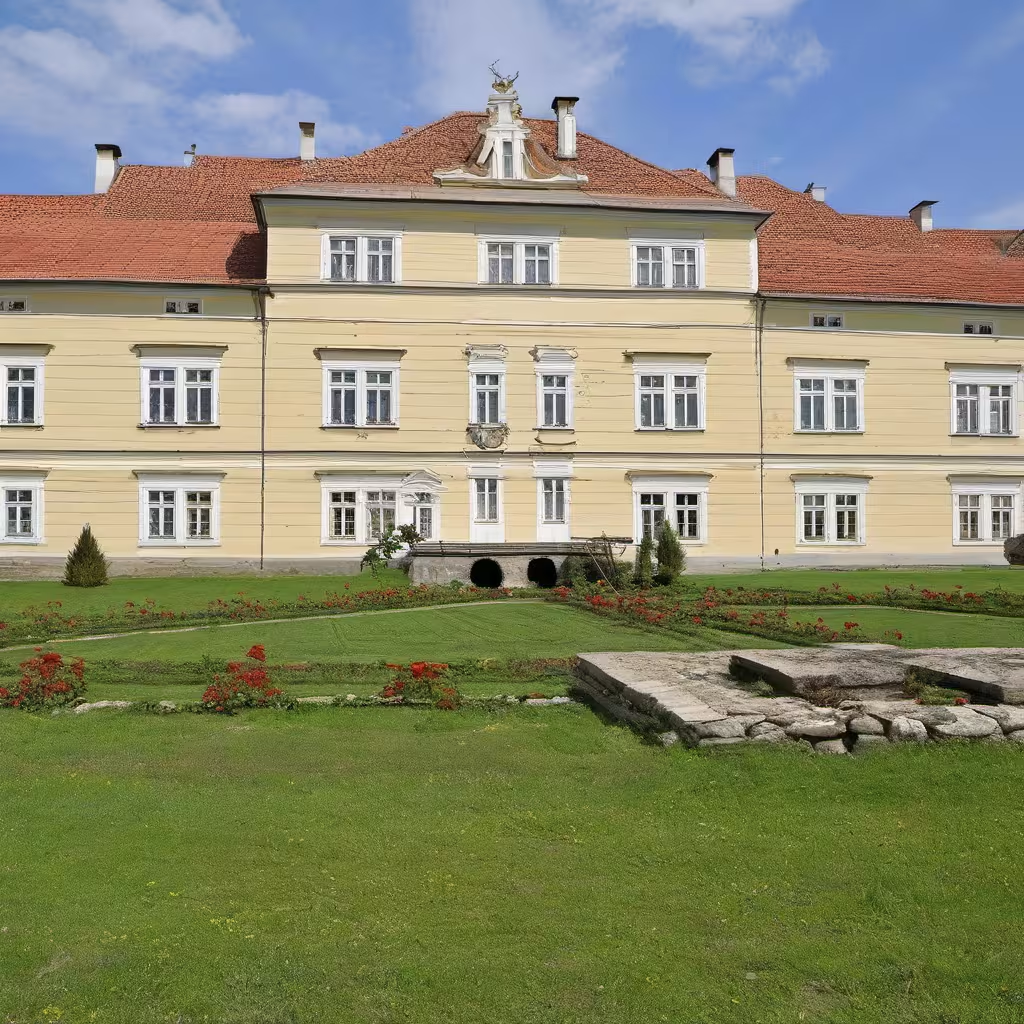
The historical appearance on the left is an AI-generated visualisation and serves as inspiration only.
Historical milestones
- 1693
- The establishment of the castle by Jiří Fridrich, Count of Oppersdorf.
- 1846
- The Great Fire caused significant damage to the castle.
Architectural development
Originally built in 1693, the castle was subsequently rebuilt and restored after a series of fires. In 1703 there was a new contract for its completion, and Josef Jan Sosnovec made repairs in 1766- 1780, including the reconstruction of the main entrance. After the fire in 1846, the castle was restored in the Empire style.
Historical events
- 1645
- The castle was besieged by Swedish troops
- 1740
- The castle was rebuilt in Baroque style
Owners
Waldstein
Rajmondo of Rzehovic
Points of interest
- Miletín has the roots of a settlement dating back to the twelfth century with the first written mention of 1124.
- At the beginning of the 13th century, Miletín became the nobleman property of Basslav, who donated it to his wife Domaslav, and she transferred it to the order of German knights.
- In 1565 Miletín is referred to as a fortress in the minutes, but in 1628 it was already called a lock.
- The current Baroque castle was founded in 1693 by Jiří Fridrich, Count of Oppersdorf, and burned down in 1699, before being rebuilt under the contract concluded in 1703.
- In 1846, a big fire destroyed the castle - burned down until the vault on the ground floor. The following year it was renewed in the Empire style under the leadership of the owner Hynek Václav Falge.
Guide
This guide is narrated by a synthetic voice generated by artificial intelligence.
Show guide text
This text was created by artificial intelligence and has not been editorially reviewed. It may contain inaccuracies.
The castle in Miletín in Podkrkonoší is a Baroque rectangular building with two-story projections on all facades. On the north side it has an arcade passageway with a balcony and a Baroque portal.
In the twelfth century, an early medieval fortified settlement, or possibly a fortified princely court, stood in the location of the historical core of Miletín. The first written mention dates from 1124. The fortified settlement was divided into two parts and measured about twelve hectares. Its rampart extended all the way to today's Tyršova ulice, where residential houses were later built into it.
At the beginning of the thirteenth century, Miletín belonged to a nobleman Zbraslavv, son of Vchyn. He bequeathed it to his wife Domaslavě in his final will. In 1241, she donated it to the order of German knights. The order built a commandery here approximately in the space between the castle and the Church of the Annunciation of the Virgin Mary. Some cellars, including one of late Romanesque or early Gothic origin, may be remnants of it. In the presbytery of the church, masonry of a chapel has been preserved, which was probably part of the commandery.
In 1403, the order pledged the estate to Beneš of Choustník. After Beneš's death, Jan Městecký of Dobruška and Opočna seized Miletín. The commandant sued him for this before the provincial court, but we do not know the outcome of the dispute.
From the middle of the fourteenth century, the Lichtenburks owned part of Miletín. According to historian August Sedláček, they had a demesne farm with a fortified house there. In 1437, Hynek Krušina of Lichtenburk received the entire market town from Emperor Sigismund as a pledge. He thus united both parts into one estate. In 1520, Miletín was controlled by Burian Trčka of Lípa. His son Jan sold the estate in 1541 to Zikmund of Smiřice for six thousand marks of Czech pennies. Miletín then included a fortified house with a demesne farm, the market town, and a number of surrounding villages.
A record from 1565 mentions a fortified house, while a record by Albrecht of Wallenstein from 1628 already mentions a castle.
The present castle was founded in 1693 by Jiří Fridrich, count of Oppersdorf. Still largely under construction, it burned down in 1699. In 1703, a new contract for its completion was drawn up. In 1753, the castle roof burned. Josef Jan Sosnovec, who held Miletín from 1766 to 1780, had the castle repaired. At the main entrance, he had an alcove rebuilt and two lions with his coat of arms made on it.
In the great fire of 1846, the castle burned down to the vaults in the ground floor. The very next year it was restored in the Empire style. The owner Hynek Václav Falge had it rebuilt and repaired after the fire. After 1882, Prince Alexander of Schönburg-Hartenstein tastefully renovated the castle.
Tips for visitors
The best time to visit the castle Miletín is in the spring or autumn period, when the counties are in full bloom and nature offers beautiful views. This time also offers mild weather compared to sunny summers, which is ideal for long walks around the castle.
What to take with you: When visiting the castle Miletín it is good to wear comfortable clothes that allow you to walk around without any problems. Also remember to bring sunflowers and sun protection cream, especially if you plan to spend all day visiting.
Photography: Zámek Miletín offers many photogenic places. The best light for photography is in the early morning or late afternoon hour, when the sun does not shine directly on the building and the shadows are given the opportunity to draw a beautiful picture. Don't forget to try shooting from the sides of eastern or western facades where the light is the most beautiful.
What to visit nearby: In the vicinity of the castle Miletín you can find several attractions. The historic town of Hradec Králové is approximately 30 minutes away from the castle, which offers rich architecture and cultural attractions. It is ideal for nature lovers to explore the surrounding forests and green areas of Podkrkonoší.
Frequently asked questions
Can the monument be visited?
Some buildings of this kind are open for guided tours, others serve another purpose or are privately owned. We have not verified whether and when this monument is open – please ask the operator.
What are the opening hours and admission?
We have not verified the opening hours or admission. Current information is published by the operator.
Where is the monument?
Location: Na Parkáni 1, Miletín, Královéhradecký kraj. The map on this page shows the exact spot.
Why is the monument protected?
It is listed in the Central List of Cultural Monuments of the Czech Republic as a cultural monument (register no. 45072/6-1259).
For kids
Imagine going back 441 years, until Zámek Miletín was the seat of the famous Valdstein family. It was a Renaissance castle, built in 1585 and full of life, love and intrigue.
It's like the entrance to your garden, where trees and flowers grew, and there was a castle in front of you like a white rock. Here lived the Valdstein family with their wives, children and servants. They were people full of life who devoted themselves to art, music and poetry.
Businesses nearby
Do you run a restaurant, accommodation, shop, museum, rental, wellness or other visitor service near this monument? Show yourself directly to the people heading to it — this is how they will see you in the app and on the web:
Nearby
The surrounding landscape is made up of forests and forests. There are other historical monuments nearby.
Accommodation nearby
Themed route
Route: Zámek Miletín and surroundings
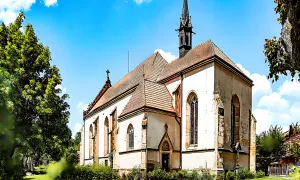
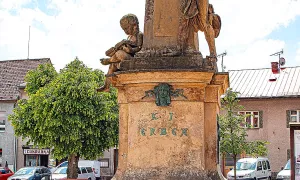
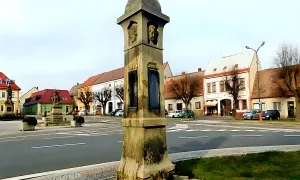
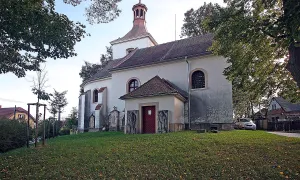
1. Zámek Miletín - main destination of the route. The castle is worth visiting thanks to its unique architecture and rich history. Located in the heart of the village Miletín, it offers beautiful tours of the interior and exterior. 2. St. James Church - located near the castle and worth visiting thanks to its historical value and beautiful architectural shape. The church is part of a cultural monument and offers a quiet place to relax. 3. The cemetery in MiletínA - located near the castle and church and is worth visiting thanks to its unique atmosphere and historical value. The cemetery is a quiet place to relax and offers beautiful views of the surrounding countryside. 4. City Miletín - located near the castle and worth a visit due to its historical value and beautiful architectural shape. The town offers a quiet place to relax and explore historical buildings. 5. St. John Nepomuk's Chapel - located near the castle and worth visiting thanks to its unique architecture and historical value. The chapel is a quiet place to relax and offers beautiful views of the surrounding countryside.
Seasonal recommendations
Spring: In the spring season the Miletín Castle is full of life and color. Green nature and flowers in the garden create a pleasant atmosphere. It's the perfect time for walking and photography. We recommend visiting the castle during spring, when it is still unkind after winter, but nature begins to awaken.
Summer: The main summer season is full of tourists and visitors. We recommend we arrive before it gets too hot to avoid crowds. Summer weather is ideal for walking around the garden and surroundings.
Autumn: In autumn the Miletín Castle is surrounded by beautiful, yellow and green-coloured nature. The atmosphere is calm and romantic. We recommend visiting the castle in autumn, when the weather is still pleasant, but there are not as many tourists as in summer.
Winter: In winter the castle Miletín is closed and calm. We recommend visiting the castle before Christmas when the atmosphere is calm and calm. Winter clothes are necessary because it is often cold and there is a snow blanket outside.
Visualizations and artistic views


The visualisations are generated by artificial intelligence and serve as inspiration.
Photos from the area
Real photos taken near the monument


Zdroj a licence jsou uvedeny u každého snímku.
Atmosphere of the place
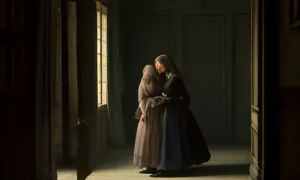
This atmospheric visualisation of the place and period was generated by artificial intelligence. It is not real footage of the location.
Tips from visitors
No tips yet. Be the first!
Log in and add your tip.
Sources and literature
Photos: Jirka23 / CC BY-SA 3.0, rozlišení zvýšeno umělou inteligencí — Wikimedia Commons. The author and licence also appear when you hover over the image.
Faktickým podkladem tohoto textu byl článek na Wikipedii, jehož autory jsou přispěvatelé Wikipedie. Článek je dostupný pod licencí CC BY-SA 4.0.
Location on the map
Příběhy a pověsti
Legendy, pověsti a příběhy spjaté s touto památkou
Fotografie návštěvníků
Zatím žádné fotografie. Buďte první, kdo přidá fotografii z návštěvy!
Log in a přidejte svou fotografii nebo hodnoťte.
Za ověřenou návštěvu v aplikaci získáte víc bodů — poznáme podle GPS, že jste na místě.
Reviews and comments