



kaple svatého Cyrila a Metoděje (Červený Kostelec) Chapel
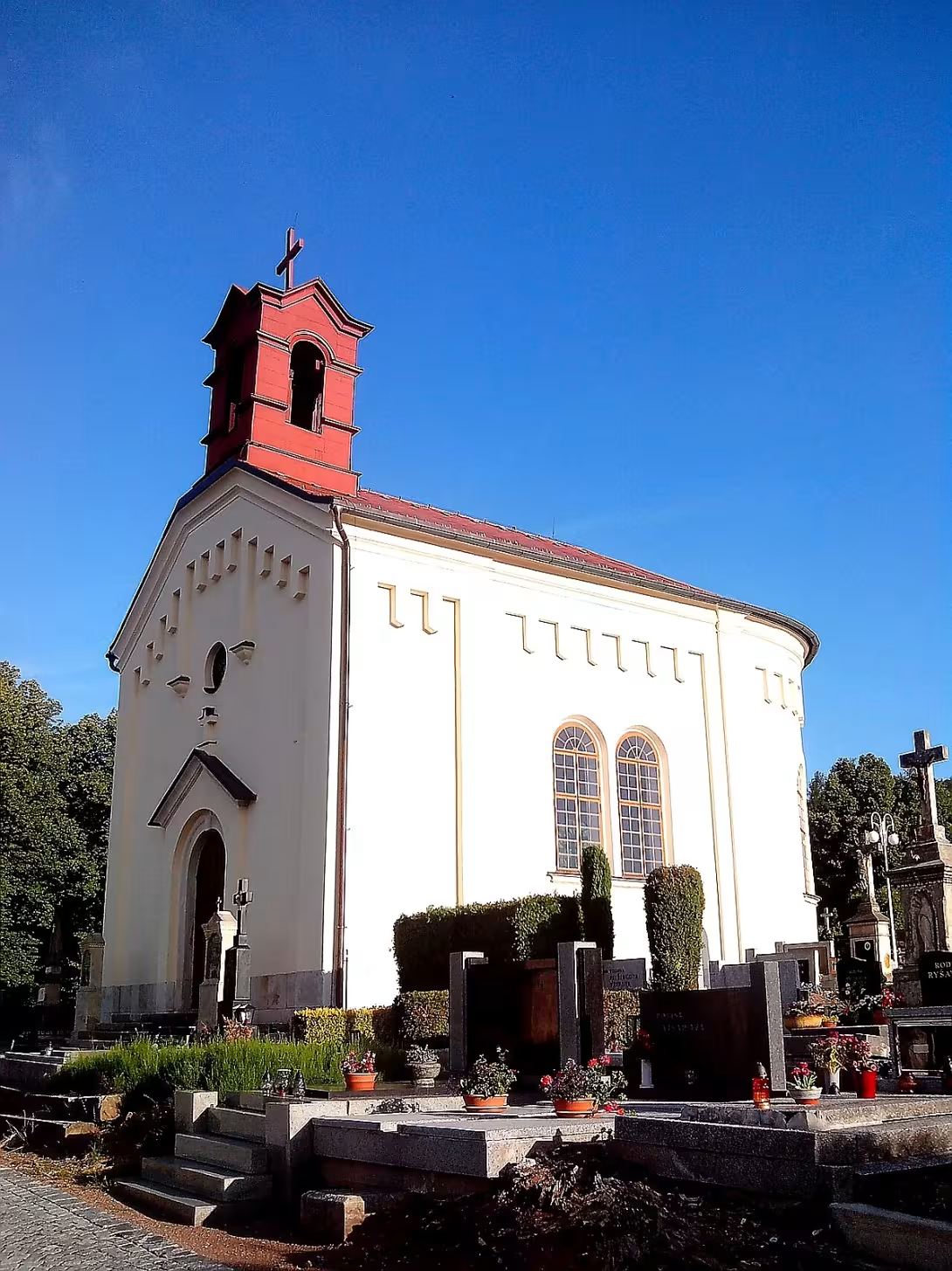
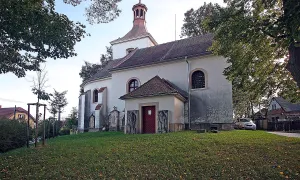
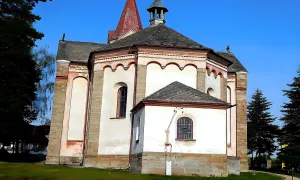
The cemetery chapel of St. Cyril and Methodius belongs to the parish Červený Kostelec. The construction was completed and consecrated in 1865, which included among the other religious buildings in the region, which in the 19th century were renewed and expanded.
The interior of the chapel is decorated with two paintings of a local native, academic painter Gustav Vack. On the altar the visitor sees the painting of the Painful Virgin Mary, at the entrance of the Virgin Mary and Jesus in glory. These paintings attest to the link of the chapel to the local artistic environment and the high level of its художественного equipment.
The organ tool dating back to 1873 represents an interesting case of long-term preservation of music heritage. The organ can be used not only for liturgical services, but also as a concert tool, which is a testament to its technical value.
The chapel also entered history with an extraordinary event that took place at Easter 1921. At that time, the Czechoslovak Hussite Church, which lacked its own service spaces in the region, decided to occupy the chapel. Her members broke into the chapel and made a new lock. This act triggered a violent conflict that culminated in physical conflict. On 21 May 1921, a fight between members of the Hussite Church and Catholic believers broke down in the cemetery. The dispute was finally resolved by legal means. The court ruled in favour of the Catholic Church and determined that the forced chapel must be returned to its original owners. The Hussites then purchased the choir house in the then Jakub Street (the current street of Spouse Burdych) and added their own temple to it between 1926 and 1927.
Today, the chapel remains a functional part of the parish and bears witness to the continuity of religious life in the Red Church, as well as to the dramatic events that accompanied the emergence of new church institutions in Czechoslovakia in the early 20th century.
Then and now
Drag the slider to compare how the landmark may have looked when it was built with the view today.
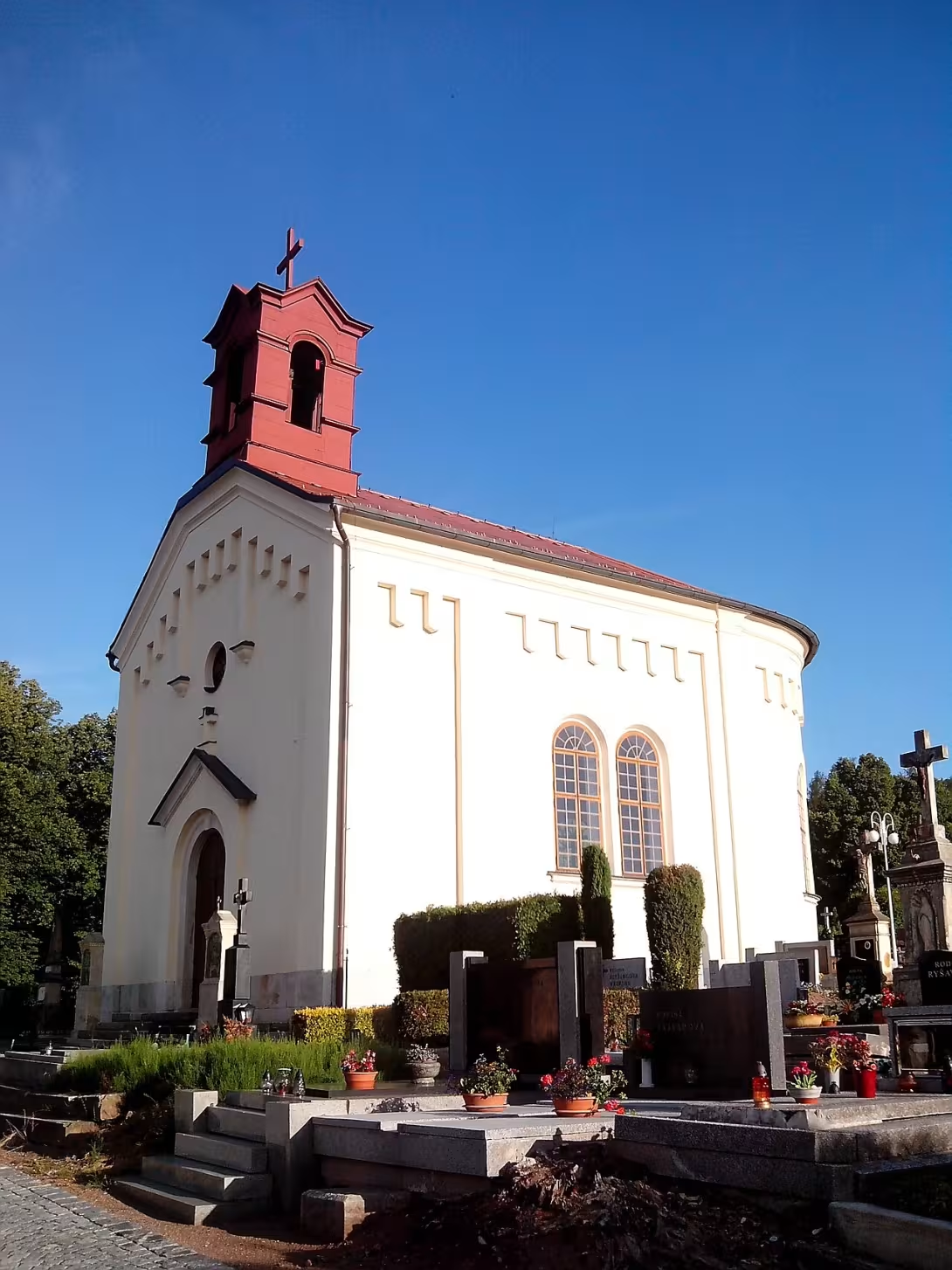

The historical appearance on the left is an AI-generated visualisation and serves as inspiration only.
Historical milestones
- 1865
- The completion and consecration of the cemetery chapel.
- 1873
- Installation of the organ into the interior of the chapel.
- 1921
- Violent occupation of chapel members of the Czechoslovak Hussite Church and subsequent litigation.
Architectural development
The chapel was built in the second half of the 19th century in the spirit of history. The interior was gradually equipped with liturgical objects and works of art, the organ being installed in 1873.
Historical events
1865: Completion and consecration of the chapel. 1921: Violent occupation of chapel members of the Czechoslovak Hussite Church and subsequent litigation on ownership.
Owners
Roman Catholic Church (parish Červený Kostelec)
Points of interest
- The chapel was completed and consecrated in 1865. - The interior is decorated with two pictures of the academic painter Gustav Vack, namely the Painful Virgin Mary on the altar and the Virgin Mary with Jesus at the entrance. - The organ from 1873 was adapted for concert purposes after repair and completion of the register layout. - At Easter 1921, the chapel was violently occupied by members of the Czechoslovak Hussite Church who made their own chateau on the door. - On 21 May 1921 a fight took place in the cemetery between the Hussites and Catholics, which was subsequently dealt with by a court in favour of the Catholic Church.
Guide
This guide is narrated by a synthetic voice generated by artificial intelligence.
Show guide text
This text was created by artificial intelligence and has not been editorially reviewed. It may contain inaccuracies.
The Cemetery Chapel of Saint Cyril and Methodius in Červeném Kostelci is a Roman Catholic chapel that belongs to the local parish. It was completed and consecrated in the year 1865.
The interior is decorated with two paintings by a local native son, the academic painter Gustav Vack. On the altar there is the Sorrowful Virgin Mary, and by the entrance the Virgin Mary with the Baby Jesus in glory.
The organ dates from the year 1873. It underwent repairs and its stoplist was supplemented. Thanks to this, it serves not only during services today, but also plays at concerts.
The chapel also has an unusual episode behind it. At Easter 1921, members of the Czechoslovak Hussite Church seized it for their purposes. The newly formed church at that time did not have its own spaces for services in most places, and church seizures were therefore not uncommon. They broke into the chapel and had a new lock made.
The dispute came to a head on May 21st, 1921, when a brawl broke out right there in the cemetery between what were called the Czechoslovaks and the Catholics. The whole matter was then settled by the court. It ruled that the chapel seized by force had to be returned to the Roman Catholic Church.
Members of the Czechoslovak Hussite Church then bought a parish house in what was then Jakubská Street, today the Street of the Burdych Couple. In the years 1926 to 1927 they added a new church to it.
Tips for visitors
The best time to visit is late afternoon, when the sun lights up the facade of the chapel and creates a peaceful atmosphere suitable for a tour of the cemetery area. Due to the nature of the site, it is recommended to choose days with mild traffic to maintain the mood.
You can easily reach the place by car and public transport. For precise travel planning, we recommend using internet connection search engines that offer you the current possibilities of transportation to the Red Church.
For photography we recommend to use the morning or evening light to highlight architectural details of the construction from 1865. The interior of the chapel, decorated with parts of local artists, requires a sensitive approach, so check in advance the rules for taking pictures inside the sacral space.
In the immediate surroundings you can visit the city Červený Kostelec itself, take a walk along the river Úpa or explore the natural beauty of the area of Jestřebích hora. These places offer great opportunities for hiking and exploring local history.
When visiting children, we recommend to join a tour of the chapel with a trip to nature in the vicinity of Jestřebí Mountains or a walk to the river Úpa. Children will appreciate the possibility of moving in the open landscape, while in the chapel itself it is necessary to ensure that the peace and respect of the drinking place is respected.
Frequently asked questions
Can the monument be visited?
Religious buildings are usually open mainly during services; at other times a visit is normally arranged with the parish or the operator. We have not verified specific times.
Where is the monument?
Location: Červený Kostelec, Královéhradecký kraj. The map on this page shows the exact spot.
For kids
Imagine going back to a time when the country was full of secrets and disasters. Červený Kostelec was a small town back then, where people lived in amazing nature.
People who were good and honest lived here. They were farmers, shepherds, businessmen... everyone lived together in harmony with nature. To show them that it is important to preserve this harmony, the people of the chapel of St. Cyril and Methodius stood here.
Businesses nearby
Do you run a restaurant, accommodation, shop, museum, rental, wellness or other visitor service near this monument? Show yourself directly to the people heading to it — this is how they will see you in the app and on the web:
Events nearby
Zdroj akcí: otevřená data měst a obcí ČR (Národní katalog otevřených dat) a kalendář akcí Národního památkového ústavu.
Nearby
The city of Červený Kostelec, river Úpa, the region of Jestřebích hora.
Accommodation nearby
Themed route
1. City Červený Kostelec (type: city) - The walk through the local streets serves as an ideal introduction to the whole trip. 2. St. Cyril and Methodius Chapel (type: Chapel) - The main destination of the route that captures you with its sacral beauty and peace. 3. River Upa (type: river) - The path along the flow offers a pleasant rest near the water. 4. The area of the Jestřebí Mountains (type: natural area) - The final part of the trip in a beautiful landscape with a view to the surroundings.
Seasonal recommendations
Spring brings around the chapel awakening nature and fine colored tones of blooming plants. Light is soft in this period and very suitable for photography, which creates a calm and hopeful atmosphere. The best morning for a visit is when the air is still fresh. We recommend wearing layered clothes because the morning cold can still be felt, although the sun is already starting to warm.
In the main summer season the surroundings of the chapel are covered in thick green and the sun is the most intense. The atmosphere is alive, but due to the increased number of visitors it can be more busy with the sights. The best time for a tour is an early morning pass to avoid the greatest heat and crowds. Don't forget light summer clothes and sun protection.
The autumn months turn the landscape into a mosaic of golden and brown shades, which gives the chapel a melancholy and noble touch. The morning fog around the building creates magical views that are ideal for lovers of silence. There are fewer people in this period than in the summer, which makes it possible to perceive history in peace. It is advisable to prepare stronger shoes for walking on a moist surface and warmer jacket for a colder afternoon.
The winter season offers the greatest peace and opportunity to see the chapel in the snowy landscape, which is very impressive. The lighting is weaker in these months and the days are short, so it is best to plan a visit around noon hours. In Advent Time, the place has a special spiritual charge. Due to low temperatures it is necessary to wear very warm clothes and high quality shoes to protect you from freezing.
Visualizations and artistic views


The visualisations are generated by artificial intelligence and serve as inspiration.
Photos from the area
Real photos taken near the monument

Zdroj a licence jsou uvedeny u každého snímku.
Atmosphere of the place
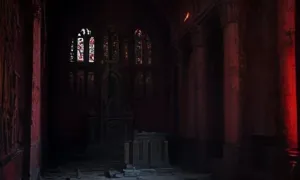
This atmospheric visualisation of the place and period was generated by artificial intelligence. It is not real footage of the location.
Tips from visitors
No tips yet. Be the first!
Log in and add your tip.
Sources and literature
Photos: Addvisor / CC BY-SA 4.0 — Wikimedia Commons. The author and licence also appear when you hover over the image.
Faktickým podkladem tohoto textu byl článek na Wikipedii, jehož autory jsou přispěvatelé Wikipedie. Článek je dostupný pod licencí CC BY-SA 4.0.
Location on the map
Příběhy a pověsti
Legendy, pověsti a příběhy spjaté s touto památkou
Fotografie návštěvníků
Zatím žádné fotografie. Buďte první, kdo přidá fotografii z návštěvy!
Log in a přidejte svou fotografii nebo hodnoťte.
Za ověřenou návštěvu v aplikaci získáte víc bodů — poznáme podle GPS, že jste na místě.
Reviews and comments